As a Fitbit user, I know how key it is to save battery life and keep my device healthy. It’s crucial to safely turn off my Fitbit Inspire 3 when I’m not using it. This helps save energy and makes my device last longer.
In this article, I’ll show you how to shut down your Fitbit Inspire 3 the right way. I’ll also talk about why it’s good to do this and share tips for keeping your device in top shape.
By following these easy steps, I make sure my Fitbit stays in great condition. It’s ready for me whenever I need it.
Understanding Your Fitbit Inspire 3 Power Options
To make your Fitbit Inspire 3 last longer, knowing its power options is key. It comes with features to save power, meeting various needs and likes.
The Difference Between Sleep Mode and Power Off
Your Fitbit Inspire offers two main ways to save power: Sleep Mode and turning it off completely. Sleep Mode cuts down on battery use by limiting some features. Turning it off completely stops all functions.
Benefits of Completely Turning Off Your Device
Turning off your Fitbit Inspire 3 can save battery and fix problems. It also keeps your device healthy. To disable or shut down your Fitbit Inspire 3 right, knowing these options is essential.
How to Turn Off Fitbit Inspire3: Step-by-Step Guide
To turn off your Fitbit Inspire 3, just follow these easy steps. This method is simple and saves battery life when you’re not using it. It also keeps your device in good shape.
Accessing the Settings Menu
First, go to the Settings menu on your Fitbit. Swipe through the home screen until you see the Settings icon. Tap it to open the menu.
Navigating to the Shutdown Option
In the Settings menu, scroll down to find “About” or “Shutdown.” The name might change based on your device’s version. Tap it to start shutting down.
Confirming the Shutdown Process
After picking the shutdown option, you’ll be asked to confirm. Tap “Yes” or “Confirm” to turn off your Fitbit Inspire3. Your device will then shut down, and the screen will go dark.
What Happens to Your Data When Powered Off
When you power off your Fitbit Inspire 3, your data stays on the device. It keeps all your fitness tracking, sleep data, and synced details. When you turn it back on, you’ll see all your data again.
Alternative Methods to Preserve Battery Life
There’s more to keeping your Fitbit Inspire 3’s battery alive than just turning it off. While powering down is great for saving battery, there are other ways to keep your Fitbit alive when you need it. These methods are perfect for when you can’t keep your Fitbit off for long.
Using Sleep Mode for Short Periods
For short breaks, Sleep Mode is a good alternative to turning off your Fitbit Inspire 3. To turn on Sleep Mode, go to your device’s settings and pick “Sleep Mode.” It saves battery while letting you get important messages.
Adjusting Display and Notification Settings
Changing your display and notification settings can also save battery. Try lowering the screen brightness or turning off unwanted notifications. You can tweak these settings in your Fitbit Inspire 3’s settings menu.
Troubleshooting When Your Fitbit Won’t Turn Off
If your Fitbit Inspire 3 won’t shut down, don’t worry. There are a few things you can try. First, try restarting it. If that doesn’t work, you might need to do a soft reset.
Performing a Soft Reset
To soft reset, press and hold the button on your Fitbit Inspire 3 for 10-15 seconds. This will restart it and might fix the problem. By doing this, you can make your Fitbit Inspire 3 last longer and work better.
Smart Practices for Maintaining Your Fitbit Inspire3
To get the most out of my Fitbit Inspire3, I follow smart practices. I store it in a cool, dry place when not in use. This keeps the screen and battery safe from damage.
Proper charging is also key. I charge it between 20% and 80% if I won’t use it for a while. Cleaning it with a soft cloth and updating the software keeps it in top shape. Deactivating it when not in use helps save battery life.
By following these tips, I enjoy a seamless experience with my Fitbit Inspire 3. Regular maintenance and care are essential for its longevity.
Changing bands on your Fitbit Inspire 3 is simple. You can update your device’s look or swap out a worn band. This guide will show you how to do it easily.
The Fitbit Inspire 3 lets you change bands to fit your style or activity. This guide is easy to follow. It will help you make your Fitbit look and feel just right.
Why Change Your Fitbit Inspire 3 Bands
The Fitbit Inspire 3 stands out because you can change its bands. This lets you pick a band that fits your mood, outfit, or activity. It’s a great accessory for any time.
Personalization Options
There are many band styles and materials to choose from. You can change your Fitbit’s look for any occasion. Whether it’s for the gym, a formal event, or just a new style, there’s something for everyone.
Replacement for Worn or Damaged Bands
As time goes by, your Fitbit band might wear out or get damaged. Replacing it keeps your Fitbit looking good and feeling comfortable. It’s a simple way to keep your device in top shape.
Switching your Fitbit Inspire 3 band is easy. Just follow the instructions to swap out the old band for a new one. Your device will look brand new again.
What You Need to Change Bands on Fitbit Inspire 3
To change your Fitbit Inspire 3 band, you’ll need a few things. Having the right items will make the process easier. It also helps avoid damaging your device.
Compatible Band Options
You’ll need a band that fits your Inspire3. Fitbit has many bands for the Inspire 3. They come in different styles and materials, like sport bands and leather.
You can pick one that suits your taste or the event you’re going to.
Tools Required (If Any)
Some bands might need a small tool to remove. But, others might not need anything. You might need a flathead screwdriver or a band removal tool from Fitbit.
It’s also good to work on a clean, flat surface. This helps prevent losing small parts.
With the right band and tools, you’re ready to change your band. This is important for a successful band change. It keeps your device looking and feeling great.
Step-by-Step Process to Change Bands on Fitbit Inspire 3
Changing the band on your Fitbit Inspire 3 is easy. This guide will show you how to remove the old band, put on a new one, and fix any problems.
Removing the Current Band
To begin, take off the current band from your Fitbit Inspire 3. You’ll need to position it right and release the band mechanism.
Positioning Your Fitbit
Put your Fitbit Inspire 3 on a flat surface. This keeps it stable and safe from damage or drops.
Releasing the Band Mechanism
Find the band release buttons on the back of your Fitbit Inspire 3. Press them to release the band. Then, pull the band away from the device to remove it.
Installing the New Band
Now, put on the new band. Align it with the device’s connectors and secure it.
Aligning the New Band
Align the new band’s connectors with the Fitbit Inspire 3’s slots. Make sure they match to avoid damage.
Securing the Band in Place
Push the band onto the device until you hear a click. This means it’s securely in place. Check that the band is tight and aligned right.
Troubleshooting Common Issues
If you run into problems, like the band not clicking or feeling loose, check these tips. Issues often come from misalignment or not pressing the band firmly enough.
Maintaining Your Fitbit Inspire 3 Bands for Longevity
Keeping your Fitbit Inspire 3 bands clean is key. It stops dirt from causing wear and tear. Don’t let harsh chemicals harm your bands. Store them safely when not in use to avoid damage.
Looking after your Fitbit Inspire 3 bands makes them last longer. This is crucial if you swap bands often or have many to choose from. Caring for your bands means a better fit and keeps your device working well.
Cleaning and storing your bands right also protects your Fitbit Inspire 3. This is vital when thinking about replacing bands or straps. With the right care, your bands will stay in great shape, and your Fitbit will look new.
Having trouble with your Fitbit Inspire 3? A simple reset might fix problems like syncing issues or if it won’t turn on. Resetting your device is easy, but knowing the right steps is key. This article will guide you how to reset your Fitbit Inspire 3. We’ll also cover common issues and how to solve them.
Having trouble syncing or if your device won’t respond? We’ve got you covered. Follow our steps to reset your Fitbit Inspire 3 and get it back to normal.
Understanding Your Fitbit Inspire 3 Reset Options
If your Fitbit Inspire 3 isn’t working right, a reset might help. There are different kinds of resets to try. Resetting can fix problems like syncing issues or if your device won’t respond.
Soft Reset vs. Factory Reset: What’s the Difference
A soft reset, or restart, keeps your data safe. It simply reboots your Fitbit Inspire 3. A factory reset, on the other hand, wipes everything clean. It brings your device back to its original settings.
Knowing the difference is key. It helps you pick the right reset for your problem.
When to Reset Your Fitbit Inspire3
Reset your Fitbit Inspire 3 if it’s not working right. This includes if it’s frozen, not syncing, or not tracking activities. Try restarting or updating software first.
If these steps don’t work, a reset might fix the issue.
How to Reset Fitbit Inspire 3: Step-by-Step Instructions
Resetting your Fitbit Inspire 3 is easy and can fix many problems. If you’re having trouble syncing, your device won’t turn on, or it’s not working right, a reset might help.
Performing a Soft Reset/Restart
A soft reset is a good first step. Press and hold the button on your tracker for about 10 seconds. Keep holding until the screen goes blank, then let go. This restarts your device without losing any data.
Executing a Factory Reset
If a soft reset doesn’t work, you might need a factory reset. Open the Fitbit app on your phone. Go to the Account icon, select your device, and tap “Advanced Settings.” Then, choose “Factory Reset” and follow the instructions.
Fixing a Fitbit Inspire 3 That Won’t Turn On
If your Fitbit Inspire 3 won’t turn on, try charging it for at least 30 minutes. If it still doesn’t work, do a soft reset. If it still doesn’t work, you might need to do a factory reset.
Resolving Sync and Connection Issues
Sync and connection problems can often be fixed by restarting your Fitbit and phone, then syncing again. Make sure Bluetooth is on your phone and your Fitbit is connected right.
After the Reset: Getting Your Fitbit Inspire 3 Back on Track
After resetting your Fitbit Inspire 3, you’ll need to set it up again. Start by reconnecting it to your Fitbit account. Open the Fitbit app on your phone, go to the dashboard, and select your device to start the setup.
Follow the on-screen instructions to pair your Fitbit Inspire 3 with your account. You might need to log in or create a new account. Once paired, your Fitbit Inspire3 will sync with your account. You’ll then see your fitness data, get notifications, and track your progress.
To avoid common issues, make sure your Fitbit Inspire 3 has the latest software. Regularly syncing and keeping it charged can also help. By following these steps, you can get your Fitbit Inspire 3 working smoothly again. It’s ready to help you reach your fitness goals.
Are you having trouble with your Fitbit not syncing with the app? It can be really frustrating, making it hard to track your fitness goals. But don’t worry, there are steps you can take to fix this problem.
There are many reasons why syncing might not work, like connection problems or app bugs. In this article, we’ll show you how to find and fix these issues. This way, your Fitbit will sync smoothly with the app again.
We’ll walk you through the key steps to solve syncing problems. This will help you keep tracking your fitness without any hiccups.
Why Your Fitbit App Not Syncing Occurs
Knowing why your Fitbit app isn’t syncing is key to fixing it. The syncing process involves your Fitbit device, the Fitbit app, and your smartphone’s operating system.
Common Causes of Syncing Failures
Several things can stop syncing, like a weak internet connection, old app versions, and Bluetooth problems. Make sure your app and device are up to date to fix these issues.
How the Sync Process Should Work
The Fitbit app connects to your device via Bluetooth. It sends data like steps, sleep, and heart rate. For syncing to work, your Fitbit and smartphone need internet and Bluetooth on.
Step-by-Step Troubleshooting Solutions
To fix the Fitbit app not syncing issue, follow these steps. The problem can be caused by many things. So, we need to tackle it step by step.
Quick Fixes to Try First
Try these quick fixes before you dive into more complex steps. They might solve the Fitbit app sync error.
Restart Your Fitbit Device
Restarting your Fitbit can fix syncing issues. Press and hold the button until you see the Fitbit logo.
Force Close and Reopen the Fitbit App
Force closing and reopening the Fitbit app can fix temporary glitches. Go to your device’s app manager, find Fitbit, and force close it.
Check Bluetooth Connection Settings
Make sure Bluetooth is on and your Fitbit is connected. Check your device’s Bluetooth settings to see if your Fitbit is connected.
Advanced Troubleshooting Methods
If quick fixes don’t work, try these advanced methods. They can help solve the Fitbit app sync problem.
Update Fitbit App and Firmware
Keep your Fitbit app and firmware updated. Updates often fix known issues.
Clear App Cache and Data
Clearing the Fitbit app’s cache and data can fix corrupted data issues. Go to your device’s app manager, find Fitbit, and clear cache and data.
Remove and Re-add Your Fitbit Device
Removing and re-adding your Fitbit can solve syncing issues. Go to the Fitbit app, select your device, and remove it. Then, follow the instructions to re-add it.
Reinstall the Fitbit App
Reinstalling the Fitbit app can fix issues from a bad installation. Uninstall the app, then download and install it again from the app store.
Device-Specific Solutions
Some Fitbit models need special troubleshooting steps. Here are solutions for different models.
Fitbit Charge, Versa, and Sense Models
For Charge, Versa, and Sense models, make sure they’re paired with your phone. Also, keep the Fitbit app updated.
Older Fitbit Models
For older models, try resetting by holding the button for 10 seconds. This might fix syncing issues.
Preventing Future Sync Problems
To keep your Fitbit device and app connected, regular maintenance is key. Make sure your Fitbit app is always updated. This can fix problems like Fitbit not syncing to app.
Also, restarting your device and Fitbit often can stop syncing failures. This simple step can make a big difference.
Using the Fitbit app right means keeping Bluetooth on and your Fitbit paired. Also, update your device’s operating system regularly. Old systems can cause problems that lead to fix fitbit app sync failure.
By following these tips, you can lower the chance of syncing problems. Always check for updates and keep your Bluetooth stable. This ensures smooth data transfer between your Fitbit and the app.
Keeping your Fitbit updated is key, whether you’re traveling or adjusting for daylight saving. I’ll show you how to change time on your Fitbit easily.
Changing time zones or seasonal updates is simple with this guide. You’ll learn to adjust your Fitbit’s time in no time. Updating your Fitbit is straightforward. Let’s begin with the steps to keep your time in sync.
Why Your Fitbit Displays the Wrong Time
If your Fitbit shows the wrong time, there are a few reasons why. Knowing these causes is the first step to fix the problem.
Time Zone Changes When Traveling
When you travel to different time zones, your Fitbit should adjust automatically. But sometimes, it doesn’t, showing the wrong time.
Daylight Saving Time Adjustments
During daylight saving time, your Fitbit must update its time. If it doesn’t, you might need to adjust it manually or check your settings.
Battery Issues and Device Resets
Battery problems or resets can also mess up your Fitbit’s time. Make sure it’s charged and restart it to fix these issues.
Understanding these reasons helps you adjust your Fitbit’s time correctly. This keeps it accurate.
How to Change Time on Fitbit Through the Mobile App
You can easily change your Fitbit’s time using the Fitbit mobile app. This method is quick and keeps your device’s time accurate.
Syncing Your Device for Automatic Time Updates
To keep your Fitbit updated, syncing it with the Fitbit app is easy. First, open the Fitbit app on your phone.
Opening the Fitbit App and Initiating Sync
Start the Fitbit app and go to the dashboard. Tap on your profile picture to get to your account settings. Then, find the “Sync Now” option to start syncing.
After syncing, check if your Fitbit’s time is correct. Look at your device or the app to see if the time is right.
Manually Setting Your Time Zone
If you want to set your time zone manually, the Fitbit app makes it simple.
Accessing App Settings Menu
To set your time zone manually, go to the app’s settings. Tap on your profile picture, then choose “Advanced Settings.”
Selecting and Confirming Time Zone
In “Advanced Settings,” find the “Time Zone” option. Pick your current time zone from the list and confirm it.
Enabling Automatic Time Zone Detection
For an easy experience, turn on automatic time zone detection. This lets your Fitbit adjust its time based on your location.
To turn this on, go to “Advanced Settings” in the Fitbit app. Toggle on the “Automatic Time Zone” option. This makes sure your Fitbit shows the right time, no matter where you are.
Changing Time Settings on Different Fitbit Models
Fitbit devices vary in models, each with unique ways to change time settings. Knowing these differences is crucial for showing the right time.
Adjusting Time on Newer Models (Versa, Sense, Charge)
Newer Fitbits like Versa, Sense, and Charge let you change time from their settings menu.
Using On-Device Settings Menu
To adjust time, go to the Settings app on your Fitbit. Then, pick “Clock” or “Time” and make the changes you need.
Time Format Options (12hr vs 24hr)
You can switch between 12-hour and 24-hour time formats in settings. This lets you choose what works best for you.
Setting Time on Fitbit Inspire and Luxe
Fitbit Inspire and Luxe users can also change time settings. But, you might need to use the Fitbit app on your phone to sync or adjust the time zone.
Time Configuration for Older Fitbit Devices
Older Fitbits might require manual time setting or time zone adjustment. This can be done through the Fitbit app or directly on the device, depending on the model.
Quick Fixes When Your Fitbit Time Won’t Update
If your Fitbit shows the wrong time, don’t worry. There are easy fixes to try. First, make sure your device is synced with the Fitbit app. Syncing often fixes time issues and lets you change the time correctly.
To sync, open the Fitbit app, go to the dashboard, and pull down to sync. If problems continue, try restarting your Fitbit or checking for updates. Restarting can fix connectivity issues that cause wrong times. To check for updates, go to the “Today” tab in the app, tap on your profile picture, then select your device.
By following these steps, you should fix the issue and see the right time on your Fitbit again. If problems keep happening, you might need to try more troubleshooting or contact Fitbit support for help.
Welcome to this guide on capturing screenshot on your Samsung Galaxy S25. It’s essential to know how to take screenshots for saving messages, web pages, or game moments. This guide will show you all the methods, from quick button presses to smart gestures.
Modern smartphones like the Galaxy S25 have more than basic screenshot tools. You’ll learn to use features like Smart Select and Voice Commands. These tools let you edit, annotate, or share your captures right away. This guide will help you become a pro at taking screenshots on Samsung S25, making your device even more useful.
Understanding the Power of Screenshots on Your Samsung Galaxy S25
Screenshots make everyday tasks easier. They help you save digital receipts, share messages, or look up online content. The Galaxy S25’s AMOLED display ensures clear images. Plus, its large storage lets you keep many screenshots without clutter.
These images serve as proof for customer service, communication, or inspiration. The guide to take a screenshot on the Samsung Galaxy S25 helps you catch every detail. You can screenshot easily using gestures, buttons, or voice commands. The S25’s design makes complex tasks simple.
Screenshots are more than just pictures; they boost productivity. They help you save time and organize your digital life. The next sections will show you how to use screenshots efficiently. With the Galaxy S25, taking screenshots is as simple as tapping the screen.
How to Screenshot on Samsung Galaxy S25: Primary Methods
Learning to take a screenshot on Samsung Galaxy S25 is easy. You can use physical buttons, gestures, or voice commands. These shortcuts make taking screenshots simple. Here are some tips and tricks to help you get the most out of your device.
Using the Button Combination Method
Press the Power and Volume Down buttons together. Hold for a second, then release. You’ll see a notification that it’s saved. If it doesn’t work, make sure you press both buttons hard and hold until the screen flashes.
Palm Swipe Gesture Technique
First, turn on Palm Swipe in Settings > Advanced features. Then, swipe your open palm from top to bottom across the screen. This method is easy and doesn’t require pressing buttons. Just practice until it works every time.
Using Voice Commands with Bixby
To take a screenshot with Bixby, say, “Okay Bixby, take a screenshot.” Speak clearly in a quiet place. This is great when your hands are busy, like during calls or when you’re doing other things.
Smart Select and Screen Write Features
Open Smart Select from the app drawer to capture a part of the screen. You can adjust the selection box and edit with Screen Write’s tools. Saved screenshots are in the Gallery under “Captures” for easy access.
Advanced Screenshot Features and Customization Options
Once you’ve learned the basics, the Samsung Galaxy S25 has more to offer. It helps you enhance your screenshot skills on Samsung Galaxy S25 and master the art of taking screenshots on Samsung S25 like a pro.
After taking a screenshot, the Screenshot Toolbar shows up at the bottom. It lets you crop, add text, or save changes. You can change which tools show up by swiping left/right on the toolbar or in the Gallery app settings. The “Scroll Capture” icon is great for taking full-page images of web pages or apps.
In the Gallery app, you can edit screenshots with arrows, text boxes, or highlighters. You can also add filters or blur backgrounds. For work, use the “Draw” tool to circle important details or mark up documents. You can save edited screenshots to Google Drive or email them right away.
Organize your screenshots by making albums in the Gallery app. Use tags like “Work” or “Notes” to find important captures easily. Enable Samsung Cloud backup to access your screenshots on any device. Clearing out old screenshots keeps your gallery tidy.
By customizing the toolbar, using editing tools, and organizing your captures, you can turn basic screenshots into powerful tools. Explore these features to get the most out of your Galaxy S25.
Master Your Samsung Galaxy S25 Screenshot Experience
Try out the methods in this Samsung Galaxy S25 screenshot tutorial to see what works best for you. You can use buttons, gestures, or voice commands. This makes taking quick photos or sharing on social media easier.
Having trouble? If you accidentally take a screenshot, adjust the gesture sensitivity in Settings. You can also turn off notification for saved screenshots under Device care > Storage > Screenshots. For Samsung Galaxy S25 screenshot tips and tricks, use the Smart Select tool to edit images before saving.
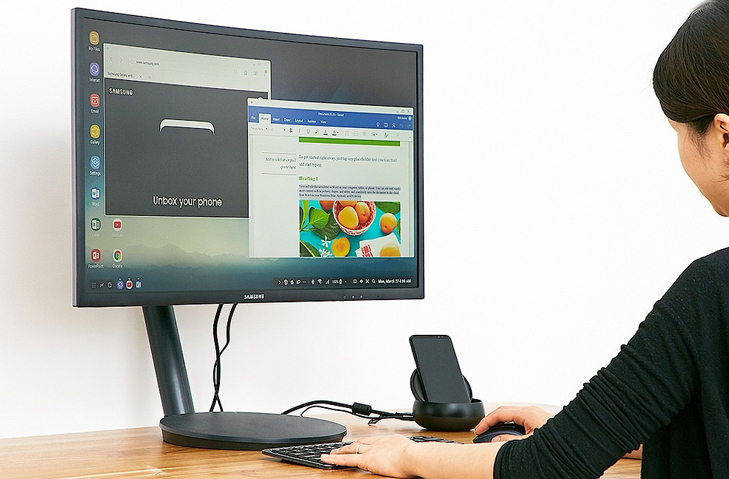
Remember, privacy is key. Always check your screens for personal info before sharing. Samsung Notes lets you mark up screenshots right away. Samsung DeX users can send images to a PC for presentations or editing. Keep your device updated for new screenshot features with One UI upgrades.
For more help, check out Samsung’s official support site or the Gallery app’s help menu. Practice using voice commands like “Bixby, take a screenshot” to get better. Using these tips keeps your workflow smooth and safe.
Knowing how to reset a smoke detector alarm is key for home safety. It can also save you from a lot of stress. Resetting a smoke detector is easy if you know your detector’s type and how to reset it.
Learning to reset your smoke detector can stop annoying beeps quickly. It’s useful for both false alarms and low battery warnings. With a simple guide, you can reset your smoke detector and keep your home safe.
Understanding Your Smoke Detector System
When your smoke detector starts beeping, it can be frustrating, even if it’s a false alarm. To silence the smoke alarm, you need to know about your smoke detector system. There are different types, like ionization and photoelectric detectors.
Ionization detectors are more sensitive to small particles. Photoelectric detectors are better at detecting larger particles. Knowing this can help you reset smoke detector beeping and silence the alarm.
Types of Smoke Detectors
Ionic detectors: sensitive to small particles
Photoelectric detectors: sensitive to larger particles
Combination detectors: combine both technologies
Common Causes of False Alarms
False alarms can be caused by cooking, steam, and dust. To avoid these, choose the right detector for your home. Also, keep it well-maintained. You can visit this website to learn more about maintaining your devices.
Identifying Your Detector’s Reset Mechanism
Once you understand your smoke detector system, you can find the reset mechanism. This is usually a button or a switch. Pressing it resets the detector. This way, you can silence the alarm and stay safe.
How to Reset Smoke Detector Alarm: Step-by-Step Process
If your smoke alarm keeps going off, it can be frustrating and alarming. First, make sure there’s no fire in your home. If it’s just a low battery, replace it with the right type.
To reset your smoke detector, look for the reset button. It’s often on the front or side. The steps can differ based on your detector type. For hardwired ones, you might need to reset the circuit breaker. Always check your manual for the right steps, as each model is different. You can find more help on troubleshooting guides.
Here are some general steps to follow:
Replace the batteries with the correct type
Press and hold the smoke detector reset button for a few seconds
Reset the circuit breaker for hardwired detectors
Clean the detector to remove any dust or debris
By following these steps, you should be able to reset your smoke detector. This will stop the alarm from going off without reason. Always refer to your detector’s manual for specific instructions, as the reset process can vary.
Essential Safety Precautions Before Resetting
Before you reset a smoke detector alarm, safety comes first. Make sure there are no fires in your home. Look for signs of fire or smoke. If you’re not sure or see something odd, don’t reset the alarm.
Fixing smoke alarms is easy if you pay attention. First, check your home for fire risks. Look for burning candles, cooking appliances, or electrical problems. Fix these issues before you reset the alarm.
Checking for Actual Fire Hazards
Inspect your home for signs of fire or smoke
Check for burning candles, cooking appliances, or electrical issues
Address any identified hazards before proceeding with the reset process
When to Call Professional Help
If you’re not sure about resetting or if the alarm keeps going off, call a pro. A skilled technician can check your system and guide you. Also, keep records of your smoke detector’s maintenance. This helps with troubleshooting and ensures it works right.
Documentation and Maintenance Records
Keep good records of your smoke detector’s maintenance and fixes. This helps spot problems and makes sure it works well. By focusing on safety and taking the right steps, you can reset your smoke detector. This keeps your home safe from fires.
Dealing with Persistent Beeping Issues
If your smoke detector keeps beeping after trying to reset it, there might be a deeper issue. First, check the detector for dust or debris, as this can set off the alarm. Make sure the batteries are in correctly and not old, as expired batteries can also cause beeping.
To stop your smoke alarm from beeping, try these steps:
Check the detector’s installation and wiring, including hardwired systems, to make sure everything is connected right.
Look at the user manual for specific troubleshooting tips. Different models might need different steps.
If the problem doesn’t go away, call a professional. They can handle complex issues.
Regular maintenance is key to avoid beeping problems. By following these steps and doing routine checks, your smoke detector will work right and keep you safe. Always put safety first and act fast if you think there’s a problem with your smoke alarm.
By being proactive and taking these steps, you can rest easy knowing your smoke detector is ready to alert you in an emergency.
Battery Replacement and System Maintenance
Keeping your smoke detector in good shape is crucial. To avoid false alarms, replace the batteries regularly. Most smoke detectors use 9-volt batteries, so picking the right ones is important.
Resetting your smoke detector is just part of the job. Cleaning it often can stop dust and dirt from causing false alarms. This is vital if your smoke alarm goes off for no reason.
Choosing the Right Batteries
Check your smoke detector’s manual to determine the correct battery type
Replace batteries at least once a year or as recommended by the manufacturer
Consider using long-life batteries to minimize replacement frequency
Cleaning Your Smoke Detector
Cleaning your smoke detector is easy. Use a soft brush or vacuum cleaner. Regular cleaning stops false alarms and keeps your detector working right. For more tips, visit device maintenance guides.
Regular Testing Schedule
Test your smoke detector monthly. This checks if it’s working right and if there are any blockages. By doing this, you keep your smoke detector in top shape and feel safer.
Keeping your smoke detector in good shape is key. By following our guide, you can reset smoke detector alarm and avoid false alarms. It’s also important to replace batteries and clean the detector regularly.
If your smoke detector keeps beeping or has other issues, get help from a pro. Smoke alarm troubleshooting is easy, but fixing problems fast is crucial. Always know where the smoke detector reset button is and use it when needed.
By following these tips, your smoke detector will work right when you need it. This gives you peace of mind and keeps your home and family safe from fires. Always keep your smoke detector in good working order.
Gaming laptops are built to perform at high levels. Sometimes, turn off Turbo Boost on Gaming Laptop can help manage heat and battery life. Knowing how to adjust your laptop settings can improve your gaming experience.
Many gamers look for ways to make their laptops better. Disabling Turbo Boost is a way to control temperature. Your Intel processor’s Turbo Boost increases speed, which can make your laptop hot during long gaming sessions.
This guide will show you how to disable Turbo Boost on your gaming laptop. We’ll cover the technical details, benefits, and how to do it step by step. This will help you decide if it’s right for your system’s performance.
If you’re dealing with overheating or want to save battery, learning to manage Turbo Boost is key. It’s a strategy for gamers who want to control their laptop settings precisely.
Understanding Turbo Boost and Its Impact on Gaming Performance
Gaming laptops have changed how we use computers on the go. Intel Turbo Boost Technology is key in making laptops better for gaming. This feature boosts processor speed for tough tasks, like gaming.
What is Intel Turbo Boost Technology?
Intel Turbo Boost is a tech that makes your CPU work harder when needed. It increases speed for better gaming and quicker responses. This means smoother games and faster action.
Benefits and Drawbacks for Gamers
Provides instant CPU performance acceleration
Enables faster game loading times
Supports complex graphic rendering
Potential increased power consumption
Can generate additional heat during extended gaming
How Turbo Boost Affects Temperature and Battery Life
Keeping your laptop cool is important with Turbo Boost. It can make your laptop hotter, affecting cooling. Gamers need to find a balance to keep their laptop running well.
Using Turbo Boost a lot can also drain your battery faster. It uses more energy because it works harder. Knowing this helps gamers choose the right settings for their laptops.
Why You Might Want to Turn Off Turbo Boost on Gaming Laptop
Gaming laptops are powerful, but sometimes turning off Turbo Boost is wise. Gamers often deal with heat issues during long play times. This can hurt system performance and lifespan.
There are good reasons to disable Turbo Boost:
It reduces heat during intense gaming
It helps save battery life for gaming on the go
It keeps performance steady in demanding games
It stops sudden drops in performance due to heat
Gaming can make your laptop very hot. If your laptop can’t handle the heat, turning off Turbo Boost is a smart. It slows down the processor, making gaming more stable and lasting longer.
For gamers who care about battery life, managing Turbo Boost is key. Lowering processor power saves battery. This means you can play longer without needing to charge.
Professional gamers and creators like to control their performance. Knowing your device’s limits helps you make better choices about how to manage it.
Essential Tools and Prerequisites for Disabling Turbo Boost
Getting ready to change your laptop’s power settings needs careful planning and the right tools. Gamers should know the steps to adjust their system’s performance safely and smoothly.
To disable Turbo Boost, you need specific software and knowledge. You’ll need tools to manage your laptop’s performance well.
Required Software and Utilities
Intel XTU (Extreme Tuning Utility)
ThrottleStop application
Your laptop’s BIOS configuration tool
Temperature monitoring software
Checking Your System Compatibility
Not all laptops can modify Turbo Boost directly. Check your processor specs on the Intel support website to see if it works with power tools.
Verify Intel processor generation
Check BIOS update requirements
Confirm Windows power settings
Backing Up Your Settings
It’s important to back up your settings before changing anything. Save your current power and performance settings. This way, you can go back if you need to.
Take screenshots of current settings
Export BIOS configuration
Create a system restore point
Good preparation helps avoid problems and makes optimizing your gaming laptop’s performance easier.
Step-by-Step Guide to Turn Off Turbo Boost Gaming Laptop
Turning off Turbo Boost on your gaming laptop is a bit tricky. It’s mainly done to control the device’s temperature and battery life. The steps you need to take depend on your laptop’s model and the operating system it uses.
Open your laptop’s BIOS settings
Restart your computer
Press specific key during startup (usually F2, F10, or DEL)
Navigate to Power Management section
Look for Intel Turbo Boost options
Select “Disable” or “Off”
Save BIOS configuration
Choose “Save and Exit”
Confirm changes
You can also use Intel XTU software or Windows power plans to disable Turbo Boost. Some gaming laptops might need special third-party tools to do this.
It’s important to find out how to do this for your specific laptop. The steps can vary a lot between different models and systems.
Monitoring Performance Changes After Disabling Turbo Boost
After turning off Turbo Boost, it’s key to watch your laptop’s performance. This helps you see how thermal management and system impact change. Monitoring closely shows the real effects on your device’s abilities.
Temperature Tracking
Thermal management is crucial when you disable Turbo Boost. You’ll see big drops in temperature during tough tasks. Use tools like Core Temp or HWMonitor to keep an eye on CPU temperatures live.
Measure idle temperatures
Record temperatures during gaming sessions
Compare pre and post-Turbo Boost disable readings
Battery Life Improvements
Laptop cooling gets better when Turbo Boost is off. This usually means less power use and longer battery life. Use Windows battery report tools or apps to track battery performance.
Gaming Performance Metrics
Disabling Turbo Boost might slightly change CPU performance. Test your favorite games to see the difference. Use tools like 3DMark or game-specific trackers to check frame rates and system speed.
Record average frames per second
Check CPU utilization
Compare benchmark scores
Keep in mind, results can differ based on your laptop and how you use it. Try things out carefully and keep track of your results. This helps you decide on Turbo Boost settings.
Alternative Methods for Thermal Management
Gamers looking to boost their laptop’s performance have many options beyond Turbo Boost. Overclocking and throttle control are key to managing heat and improving gaming. These methods help keep your laptop cool and your games running smoothly.
There are many ways to manage heat without overheating. Here are some effective methods:
Undervolting the CPU to reduce heat generation
Customizing fan curves for improved cooling
Using external cooling pads with advanced airflow
Implementing software-based throttle control
Undervolting is a strong way to control laptop temperatures. It lowers the voltage to the processor, reducing heat without losing performance. This is great for laptops with advanced thermal management systems.
External cooling solutions like cooling pads can also help a lot. They increase airflow and keep your laptop cool. This helps your laptop run better, even when you’re overclocking and controlling throttle.
Software tools offer a smart way to manage heat. They let you monitor temperature and adjust performance to avoid overheating. This makes your games run smoothly and safely.
Conclusion
Exploring gaming laptop settings like Turbo Boost can unlock a lot of performance potential for gamers. Laptop optimization is a personal journey. It’s about finding the right balance between performance, temperature, and battery life.
Understanding how Turbo Boost affects your system lets you make better choices. This way, you can optimize your gaming laptop’s settings.
To disable Turbo Boost, you need to think carefully and keep an eye on things. Each gaming laptop is different. What works for one might not work for another.
Trying out different settings can help you find the perfect balance. Always watch how temperature, battery life, and system speed change when you adjust settings.
Remember, optimizing your gaming laptop is an ongoing task. What you learn today can help keep your device running well for longer. Turning off Turbo Boost might seem scary, but it’s a key skill for gamers.
Stay curious and keep learning. Don’t be afraid to try new settings to improve your gaming experience.
The main goal is to make your gaming environment as comfortable and efficient as possible. Your gaming laptop is a powerful tool. Knowing how it works lets you get the most out of it.
Keep researching, experimenting, and enjoying the world of high-performance gaming technology.
Managing your phone’s call settings can be tricky. But, learning how to turn off call forwarding is easy. This guide will show you how to do it step by step. Call forwarding is useful, but sometimes you need to stop it. Wireless carriers have different ways to do this. Knowing these options can save you time and frustration.
Mobile users often want to stop call forwarding to get calls directly on their device. The process is simple and works for all phones and carriers.
Our guide will help you disable call forwarding quickly and easily. We’ll cover methods for different carriers and offer tips for troubleshooting. This way, you can manage your call settings with confidence.
Understanding Call Forwarding and Why You Might Need to Disable It
Call forwarding lets you send calls to another number. It’s great for handling calls, but sometimes you need to turn it off. This lets you control who calls you.
Today’s phones offer many call forwarding options. You can stop call forwarding when it suits you.
Different Types of Call Forwarding Services
Unconditional Forwarding: Redirects all calls automatically
Busy Call Forwarding: Transfers calls when your line is occupied
No Answer Forwarding: Redirects calls after a specific number of rings
Unavailable Forwarding: Transfers calls when your phone is out of service
Common Reasons to Deactivate Call Forwarding
You might want to stop call forwarding for many reasons. For example, after a work trip, or if you change how you like to communicate. Or, if you’re having trouble with call routing.
How Call Forwarding Affects Your Phone Bill
Call forwarding can raise your phone bill. Some carriers charge more for calls sent to other numbers, like long-distance or international ones. Knowing this can help you manage your phone costs.
Understanding call forwarding helps you make smart choices about your calls and costs.
Step-by-Step Guide to Turn Off Call Forwarding
Dealing with call forwarding settings can seem hard. But, with the right steps, you can easily stop call forwarding on most devices. Whether it’s for personal or work reasons, these simple steps will help you control your phone’s call handling.
First, check what kind of device you have. The steps are a bit different for smartphones and landlines. Here’s how to cancel call forwarding:
Open your phone’s dialer or settings menu
Find the call forwarding option
Pick the type of call forwarding you want to turn off
Turn off or deactivate the feature
If you have an iPhone, go to Settings > Phone > Call Forwarding and flip the toggle off. Android users can find it in their Phone app settings. Some carriers offer special codes to quickly stop call forwarding without going through many menus.
If you’re having trouble turning off call forwarding, call your mobile carrier’s customer support. They can guide you through the steps for your device and network. Remember, keeping call forwarding on can cause missed calls and communication problems.
Check device-specific instructions
Use carrier-provided deactivation codes
Make sure forwarding is fully turned off
Pro tip: After turning off call forwarding, make a test call. This ensures calls are coming straight to your device.
Quick Methods to Disable Call Forwarding on Different Phone Carriers
Stopping call forwarding is easy if you know how for your carrier. Each provider has its own way to stop call forwarding. It’s key to know the exact steps for your network.
To manage call forwarding settings, you need to know the right codes and steps for each carrier. Users can quickly remove call forwarding by following these carrier-specific instructions.
AT&T Call Forwarding Deactivation
AT&T customers can easily stop call forwarding with a few steps:
Dial *73 to disable conditional call forwarding
Press *72 to turn off unconditional call forwarding
Check your phone’s call forwarding menu to verify settings
Disabling call forwarding on T-Mobile and Sprint networks is similar:
Access phone settings
Find “Phone” or “Call” settings
Locate “Call Forwarding” option
Switch off forwarding services
Always check your device model for any special steps. If you need help, carrier support can guide you through halting call forwarding.
Troubleshooting Common Issues When Canceling Call Forwarding
Trying to stop call forwarding can be tricky. Users might face unexpected problems when they try to turn off call forwarding on their phones. Knowing how to deal with these issues can save you time and stress.
Several common issues can arise when you want to cancel call forwarding:
When standard methods fail to stop call forwarding, try these troubleshooting steps:
Restart your mobile device completely
Check your cellular network signal strength
Verify you’re using the correct deactivation code
Confirm your account settings are updated
If self-troubleshooting doesn’t work, contact your mobile carrier’s customer support. They can help you diagnose and resolve complex call forwarding issues. Most carriers offer quick help to stop call forwarding and make sure your phone works right.
Remember, technical problems are common. Stay patient and careful when dealing with call forwarding settings. With the right approach, you can manage your mobile communication preferences effectively.
Conclusion
Managing call forwarding is easy once you know the steps. It doesn’t matter if you use an iPhone, Android, or something else. The methods we’ve talked about make it simple to handle call forwarding.
Knowing your phone’s features can save you from unexpected costs. It also makes sure you catch all important calls. We’ve covered how to do this for AT&T, Verizon, T-Mobile, and Sprint. You can also learn to reset your device settings to manage your mobile better.
Technology is meant to make our lives easier. By understanding and adjusting your call forwarding, you’ll make communication smoother. Each carrier might have small differences, but the main ideas are the same.
Now you know how to handle call forwarding on different devices and networks. Keep exploring your phone’s features. And don’t be afraid to dive into the settings. You’re ready to take charge of your mobile communication.
Keeping your home safe starts with working smoke detectors. Knowing how to reset a Kidde smoke detector is key. A red LED light can mean different problems that need fixing fast. Homeowners often get confused by these signals, wondering how to fix their Kidde smoke alarm red LED.
Smoke alarms protect your home from fires. If a reset Kidde smoke detector has a red light, it might be a battery, sensor, or life span issue. Learning to reset Kidde fire alarm lights can save lives and avoid unnecessary worry.
This guide will show you how to handle those red LED signals. Whether it’s a chirping alarm or a steady warning light, we’ll help you fix most Kidde smoke alarm red LED issues fast and with confidence.
Understanding Your Kidde Smoke Alarm’s Red LED Signals
Smoke alarms are key safety devices that show important info through their LED lights. Knowing how to fix Kidde smoke alarm signals can help you act fast when safety issues arise.
Decoding Red Light Patterns
Kidde smoke alarms use red LED lights to send different messages. A blinking red light usually means one of a few things:
Low battery warning
End of device life notification
Sensor malfunction
Recent power interruption
Understanding Critical Warning Signs
A steady red light on your Kidde smoke alarm could mean a bigger problem. It might signal:
Persistent sensor error
Critical battery issue
Potential device failure
Model-Specific Red Light Indicators
Each Kidde smoke detector model has its own red LED signals. Check your model’s user manual for the exact meaning of these signals.
Regular upkeep and knowing these signals are crucial. They help your smoke alarm keep your home and family safe.
How to Reset Kidde Smoke Alarm Red LED: Step-by-Step Guide
Dealing with a Kidde smoke alarm’s red LED can be frustrating. But most reset procedures are straightforward. Proper kidde smoke detector maintenance ensures your home’s safety and prevents unnecessary alarm triggers.
Fresh batteries
Ladder or stable step stool
Soft cloth or vacuum with brush attachment
Follow this comprehensive reset method for typical kidde smoke alarm error codes:
Turn off power at the circuit breaker
Remove the smoke alarm from mounting bracket
Disconnect battery and electrical connections
Wait 15-30 seconds to fully discharge
Clean detector vents gently with soft cloth
Reconnect power and battery
Remount the alarm
If your Kidde smoke alarm keeps beeping after reset, check battery connections and expiration date. Persistent issues might indicate sensor malfunction, requiring professional inspection or replacement.
Always refer to your specific model’s manual for precise reset instructions. Regular maintenance prevents false alarms and ensures your home’s safety system operates correctly.
Conclusion
Protecting your home starts with knowing your Kidde smoke alarm system. Resetting it might seem hard, but it’s crucial for homeowners. Regular checks and quick fixes can greatly improve your family’s safety.
When you see red LED lights, act fast. Always clean your smoke detectors, test them every month, and change batteries when needed. If you have ongoing problems with your smoke alarm system, reach out to Kidde’s customer support for help.
Smoke alarms are vital for saving lives. A well-set Kidde alarm system can avoid false alarms and work right in emergencies. Replace your smoke alarm every 10 years and think about getting newer models with better tech.
By using this guide, you’ll know how to handle your home’s fire safety. Stay updated, be ready, and most importantly, keep your family safe.
Carbon monoxide is a silent, deadly gas that can be dangerous in homes. It’s important to know how to reset carbon monoxide alarm to keep your home safe. These devices are key in protecting families from this invisible threat.
Learning the right way to reset CO alarms can stop false alarms. It also makes sure your system works right. Homeowners need to know how to handle their detectors well. This is because these devices are crucial in fighting against invisible dangers.
This guide will show you how to reset your carbon monoxide alarm safely. We’ll cover different types of detectors, how to reset them, and maintenance tips. This will help keep your home safe from carbon monoxide dangers.
It doesn’t matter if you have a battery-powered or hardwired detector. Knowing how to reset it is key. Each type of alarm needs its own steps to work best and catch dangerous gas levels.
Safety experts say it’s smart to know your CO alarm model and its reset needs. By following these steps, you can keep your family safe from this deadly gas.
Understanding Carbon Monoxide Alarms and Their Functions
Carbon monoxide (CO) detectors are key safety tools for homes. They watch over the air quality and warn of carbon monoxide dangers early on.
Types of Carbon Monoxide Detectors
There are many types of carbon monoxide detectors:
Battery-powered detectors: Portable and simple to set up
Hardwired detectors: Linked to your home’s electrical system
Smart CO detectors: Have Wi-Fi and send alerts to your phone
Combination smoke and CO alarms: Safeguard your home in two ways
How CO Alarms Detect Dangerous Gas Levels
CO alarms use special sensors to find carbon monoxide. These sensors spot even small amounts of gas. Knowing how they work is key to resetting them right.
Common Alarm Signals and Their Meanings
CO alarms show different signals for different issues:
4 beeps: Means there’s carbon monoxide right away
1 chirp every minute: Warns of a low battery
5 chirps: Tells you the detector’s life is almost over
3 chirps: Could mean a sensor problem
Knowing these signals helps you act fast when there’s a carbon monoxide risk.
When to Reset Your Carbon Monoxide Alarm
Knowing when to reset a carbon monoxide alarm is key for home safety. A reset co detector needs careful thought to avoid risks. Carbon monoxide alarm beeping can mean different things that need quick action.
After a confirmed carbon monoxide incident
After a power outage that affects the alarm
When you keep getting false alarms
During routine maintenance checks
Experts say to check for CO sources before resetting. Things like faulty fuel-burning appliances, blocked vents, or recent home changes can affect air quality.
Signs that need a pro’s look include constant alarm sounds or beeps that keep coming back. Never ignore these signs, as they might mean serious danger.
Always put safety first by:
• Opening windows for air
• Looking for gas leaks
• Getting help from experts if unsure
Being careful with your co detector can keep your family safe from carbon monoxide.
Reset Carbon Monoxide Alarm: Basic Steps and Procedures
Carbon monoxide alarms are key safety tools for homes. They guard against harmful gas leaks. Knowing how to reset these alarms is crucial for their proper function and safety.
There are various types of carbon monoxide detectors. Each needs a different reset method. The steps depend on the type of detector you have.
Battery-Powered Detector Reset Process
Resetting a battery-powered carbon monoxide alarm is easy:
Smart carbon monoxide detectors have special reset options. You can reset them through:
The app from the maker
A physical reset on the device
Checking battery connections
Updating firmware if needed
Always check your device’s manual for the right reset steps. This helps avoid any issues.
Troubleshooting Common CO Alarm Issues
CO alarm problems can be annoying and risky. To fix them, you need to know the common issues and how to solve them fast and safely.
Most CO alarm troubles fit into a few main areas. Homeowners can fix these with a few easy steps:
Persistent Beeping
False Alarm Triggers
Sensor Malfunctions
Battery-Related Problems
When a CO alarm starts making noise, many want to turn it off right away. But, this isn’t always the best choice. First, check these possible reasons:
Make sure the battery is good and replace it if needed
Look for dust or dirt around the sensor
Check if there are any carbon monoxide sources nearby
Test if the alarm is working right
If your CO alarm still has problems after trying these steps, you should get a pro to check it. Faulty detectors can put your home at risk and need to be fixed quickly.
Don’t ignore CO alarm issues. While you can fix many problems yourself, sometimes it’s best to replace the detector. This keeps your family safe from carbon monoxide dangers.
Maintaining Your Carbon Monoxide Detector After Reset
Keeping your carbon monoxide alarm in good shape is key for safety. After you reset it, follow these care tips to ensure it works well.
Regular Testing Schedule
Testing your carbon monoxide alarm regularly is essential. Experts say to test it monthly for best results. Here’s how to do it:
Press the test button for 5-10 seconds
Listen for a loud, clear alarm sound
Verify that all household members can hear the alarm
Battery Replacement Guidelines
The battery in your carbon monoxide alarm needs regular checks. Replace it every year or when it starts to beep low. Here are some tips:
Check the maker’s advice on battery types
Use only fresh, good-quality batteries
Write down when you replace the battery
Cleaning and Care Tips
Keeping your carbon monoxide detector clean is important. Vacuum it gently every six months. But don’t use water or harsh cleaners that could harm the sensors.
By following these care steps, you’ll keep your home safe from carbon monoxide. And your smoke and carbon monoxide alarm will stay in top shape.
Safety Precautions and Emergency Procedures
Carbon monoxide is a silent killer. It’s important to know what to do when your carbon monoxide alarm beeps. Quick action is key to keep your family safe from poisoning.
Here are the emergency steps to take when your alarm beeps or goes silent:
Get everyone out of the house right away
Call emergency services or your local fire department
Don’t go back inside until it’s safe, confirmed by experts
See a doctor if you think you’ve been poisoned by CO
It’s vital to know the signs of carbon monoxide poisoning. Look out for:
Unexplained headaches
Dizziness
Nausea
Confusion
Weakness
To lower the risk of carbon monoxide poisoning, take these steps:
Put detectors on every floor of your home
Check them every month and change batteries yearly
Have experts check your heating systems, fireplaces, and fuel-burning appliances regularly
Having a family emergency plan is crucial. Make sure everyone knows how to get out and what to do in case of a CO alarm. This could save lives.
Conclusion
Learning how to reset a carbon monoxide alarm is key to keeping your home safe. Knowing how to fix and reset your CO alarm can save lives. Each detector type—battery, hardwired, or smart—needs its own reset steps that homeowners must learn.
Fixing a CO alarm is more than just stopping a beep. Regular checks, battery swaps, and knowing alarm signals are all part of a safety plan. Being informed and proactive helps families avoid carbon monoxide dangers.
By following the tips in this guide, you’ll be ready to handle carbon monoxide risks. For more safety tips, check out comprehensive safety guides online.
Your watchfulness is the best safety tool. Teach your family and friends about carbon monoxide detection. This way, you can all stay safe and avoid tragedies.
Are you having trouble with your Samsung Galaxy A55? A factory reset might be just what you need. This guide will show you how to reset your Samsung Galaxy A55 easily and confidently.
Over time, your phone can get cluttered, slowing it down and causing problems. Resetting your Samsung Galaxy A55 can fix these issues. It makes your phone run faster and prepares it for a fresh start.
Maybe you want to sell your phone, fix a problem, or start over. Knowing how to factory reset your Samsung Galaxy A55 is key. Our guide will help you do it safely, without losing your important stuff.
Next, you’ll learn about backing up and resetting your phone. This will make sure your device is restored smoothly and safely. Get ready to make your Samsung Galaxy A55 feel new again!
Understanding Factory Reset on Samsung Galaxy A55
A factory reset can solve many smartphone problems. When you reset your Samsung A55, it goes back to its original settings. This means all your personal data and changes are erased.
The reset process is not just a simple reboot. It completely wipes your data and brings the device back to its new state.
What Happens During a Factory Reset
Several important things happen during a reset:
All personal data gets permanently deleted
Installed applications are removed
System settings return to default configurations
Internal storage is completely cleared
When to Perform a Factory Reset
It’s important to know when to reset your device. You should consider a factory reset in these situations:
Persistent software glitches
Significant performance slowdowns
Before selling or giving away the device
Removing all personal information
Data Backup Importance
Backing up your data is key before a reset. Use Samsung Cloud, Google Drive, or external storage to save:
Data Type
Backup Method
Contacts
Google Account Sync
Photos/Videos
Cloud Storage
App Data
Google Backup
By taking these steps, you can keep your important information safe during the reset.
Essential Preparations Before Resetting Your Device
Getting your Samsung Galaxy A55 ready for a factory reset is key. Before starting the Samsung A55 factory reset steps, take important steps to protect your data. This ensures a smooth reset process.
First, back up all important info. Your phone holds valuable data like contacts, photos, messages, and app settings. Use Samsung Cloud or Google Drive to back up your device’s contents fully.
Charge your device to at least 50% battery
Connect to a stable Wi-Fi network
Sign out of all personal accounts
Remove SIM and SD cards if applicable
Protecting your personal info is critical during the samsung a55 factory reset steps. Save any important login details, downloaded files, or documents you might need later.
Preparation Step
Action Required
Data Backup
Complete cloud or local backup of device data
Account Logout
Sign out of Google, Samsung, and other linked accounts
Battery Check
Ensure device is charged to at least 50%
By following these steps, you’ll reduce data loss and set up a good base for your Samsung Galaxy A55 factory reset.
How to Factory Reset Samsung Galaxy A55
Resetting your Samsung Galaxy A55 can fix software problems or get it ready for someone else. Knowing how to reset your device safely is important.
Settings Menu Reset Method
Resetting your Samsung Galaxy A55 is easy through the settings. Here’s how:
Open the Settings app on your Samsung Galaxy A55
Scroll to and tap “General Management”
Select “Reset”
Choose “Factory data reset”
Review the warning about data deletion
Tap “Reset” and confirm with your device passcode
Recovery Mode Reset Technique
If your device won’t turn on, try recovery mode. It’s a good backup when settings reset doesn’t work. Check your user manual for details.
Power off the device completely
Press and hold Volume Up + Power + Home buttons simultaneously
Release buttons when Samsung logo appears
Navigate using volume buttons
Select “Wipe data/factory reset”
Confirm the reset
Alternative Reset Options
Some users might need special reset options. If standard resets don’t work, Samsung support or an authorized service center can help.
Common Issues and Troubleshooting During Reset
Resetting your Samsung Galaxy A55 can sometimes run into problems. Knowing these issues helps make the factory reset smoother.
Users might face several common problems during a Samsung Galaxy A55 restart. These can be from small issues to big reset problems.
Device Freezing During ResetIf your Samsung Galaxy A55 freezes during reset, try these steps:
– Hold the power button for 10-15 seconds
– Remove and reinsert the battery (if possible)
– Connect to a stable power source
Error MessagesUnexpected error messages can stop the reset. Check for:
– Enough battery charge
– Enough storage space
– Up-to-date device software
Incomplete Reset ProcessIf a Samsung Galaxy A55 restart doesn’t finish:
– Start the reset again
– Clear the device cache
– Reset in recovery mode
For serious reset problems, you might need professional help. Samsung support can offer detailed help for tough cases.
Protecting your data is key during any Samsung Galaxy A55 restart. Always back up important info before a factory reset to avoid losing data.
Post-Reset Setup Guide
After rebooting your Samsung Galaxy A55, you’ll need to follow some important steps. The setup process is easy but needs your attention. This ensures your phone is set up just right for you.
Initial Device Configuration
When you turn on your reset device, do these key steps:
Select your language and region
Connect to a Wi-Fi network
Sign in with your Google account
Set up screen lock security
Restoring Your Backup
Getting your old data back is key after a reboot. Here’s how to do it:
Google account backup restoration
Samsung Cloud data retrieval
External storage file transfer
Essential Settings to Adjust
To make your Samsung Galaxy A55 better, tweak these settings:
Setting Category
Recommended Configuration
Battery Optimization
Enable adaptive battery mode
Privacy Controls
Review app permissions
Display Settings
Adjust brightness and blue light filter
By following these steps, you’ll make sure your Samsung Galaxy A55 is safe, personalized, and works great.
Safety Tips and Best Practices
After a factory reset on your Samsung Galaxy A55, keeping it safe is key. Smart safety steps can keep your phone running well and secure.
Start by protecting your device proactively. Here are important steps for your Samsung Galaxy A55:
Regularly update your device’s software to patch security vulnerabilities
Use strong, unique passwords for all accounts
Enable two-factor authentication whenever possible
Install apps only from official Google Play Store
Protecting your data is essential after a reset. Here are some actions to take:
Set up Samsung account for cloud backup
Use encryption features built into the Samsung Galaxy A55
Implement secure lock screen methods like fingerprint or facial recognition
Regular maintenance helps avoid problems with your reset Samsung Galaxy A55. Do performance checks, clear cached data, and watch your battery. These steps can make your device last longer and work better.
Remember, a factory reset gives you a fresh start. But, it’s the ongoing care that keeps your phone reliable and secure.
Conclusion
Resetting your Samsung Galaxy A55 is like giving it a new beginning. By following our guide, you’ve made sure your phone works its best. You can choose from settings or recovery mode to start fresh.
Keeping your data safe is key during a reset. We talked about backing up your files and contacts. This way, your personal info stays protected. For more tips, check out the user manual for your device.
Your Samsung Galaxy A55 reset is done, and it’s ready to perform better. It gets rid of old software issues and lets you set it up just right. To keep it running well, do regular maintenance and resets.
Enjoy your Samsung Galaxy A55’s new speed and efficiency. If you run into problems, come back to this guide. Each reset is a chance to make your phone better.
Changing the wallpaper on your iPhone is a simple yet effective way to personalize your device and enhance its aesthetic appeal. With the extensive range of options available, from pre-installed categories to self-captured images, you can easily transform your iPhone’s look to suit your style. In this article, we will guide you through the step-by-step process of changing your iPhone wallpaper, including customization options and advanced features.
Step 1: Accessing the Settings App
To begin the process, you need to access the Settings app on your iPhone. This app is easily identifiable by its gray icon featuring cog wheels. To open the app, tap the Settings icon.
Step 2: Navigate to the Wallpaper Section.
Once you have opened the Settings app, scroll down the page until you find the Wallpaper option. To access the wallpaper settings, tap on Wallpaper.
Step 3: Choosing Your New Wallpaper
This is the exciting part of the process. You have several options to choose from:
Featured Wallpapers: These are pre-installed wallpapers that come with your iPhone. You can browse through these to select a wallpaper that catches your eye.
Photos: If you have a preferred image, you can select it from your Photos library. This is a wonderful way to personalize your wallpaper with a photo that holds sentimental value or is visually appealing.
Dynamic Wallpapers: For those who want a more dynamic look, you can choose from the Dynamic wallpapers. These wallpapers change and adapt to different times of the day, providing a unique and engaging experience.
Live Photos: If you have taken a live photo, you can use it as your wallpaper. This feature adds a touch of movement to your static image, making it more engaging.
Astronomy: For those interested in space, you can choose from the Astronomy wallpapers, which feature stunning images of the night sky.
Suggested Photos: If you’re unsure about which photo to choose, you can opt for the Suggested Photos feature. This will display a selection of photos that Apple recommends based on your photo library.
Step 4: Customizing Your Wallpaper
Once you have selected your new wallpaper, you can customize it to better suit your preferences. Here are some customization options:
Widgets: You can add widgets to your wallpaper to display additional information, such as the weather, calendar events, or other useful data.
Clock Font and Color: Customize the clock font and color to match your wallpaper. This adds a personal touch to your lock screen.
Depth Effect: If you have a live photo, you can turn off the depth effect to make the image appear more flat.
Photo Shuffle: If you want to create a slideshow of your favorite photos, you can use the Photo Shuffle feature. This allows you to choose a set of photos that will shuffle through your lock screen, providing a dynamic and engaging experience.
Step 5: Setting Your Wallpaper
After customizing your wallpaper, it’s time to set it as your new background. Here are the steps to follow:
Set as Wallpaper Pair: If you want the same wallpaper for both your Home Screen and Lock Screen, tap on Set as Wallpaper Pair.
Customize Home Screen: If you prefer to have different wallpapers for your Home Screen and Lock Screen, tap on Customize Home Screen.
Set as Wallpaper: If you want to set a specific wallpaper for just the lock screen, tap on Set as Wallpaper.
Additional Tips and Tricks
Using Photo Shuffle
The Photo Shuffle feature is a wonderful way to turn your lock screen into a tiny oasis or an evolving photo album. Here’s how you can use it:
Go to Settings: Open the Settings app and navigate to the Wallpaper section.
Tap Add New Wallpaper: Select Add New Wallpaper, and then choose Photo Shuffle.
Select Photos: Choose the photos you want to shuffle through. You can select from various categories, such as people, places, or objects.
Customize Settings: Once you have selected your photos, you can adjust the settings. Choose how often you want the photos to change, such as every time you tap the lock screen or hourly.
Use Featured Photos: If you want to use Apple’s algorithmically picked pictures, tap on Use Featured Photos. Alternatively, you can manually select photos by tapping on Select Photos Manually.
Customizing the Lock Screen Clock Font and Color
To customize the clock font and color on your lock screen:
Go to Settings: Open the Settings app and navigate to the Wallpaper section.
Tap Customize Lock Screen: Select the Customize Lock Screen option.
Tap Photos Icon: Tap on the Photos icon at the bottom right.
Choose Image: Select the image you want to use for your lock screen.
Customize Clock Font and Color: Once you have selected your image, you can customize the clock font and color. Tap on the clock display to change the font and color.
Adding widgets to your lock screen
Here’s how to add widgets to your lock screen:
Go to Settings: Open the Settings app and navigate to the Wallpaper section.
Tap Customize Lock Screen: Select the Customize Lock Screen option.
Tap Photos Icon: Tap on the Photos icon at the bottom right.
Choose Image: Select the image you want to use for your lock screen.
Add Widgets: Once you’ve selected your image, you can add widgets to your lock screen. To add a widget, such as weather, calendar events, or other useful data, tap on the widget icon.
Conclusion
Changing your iPhone wallpaper is a simple yet powerful way to personalize your device. With the extensive range of options available, from pre-installed categories to self-captured images, you can easily transform your iPhone’s look to suit your style.
By following the steps outlined in this guide, you can customize your wallpaper to include widgets, change the clock font and color, and even create a dynamic slideshow of your favorite photos. Whether you’re looking to enhance the aesthetic appeal of your device or simply want to add a personal touch, changing your iPhone wallpaper is a wonderful place to start.
When your iPhone stops charging after exposure to water, it can be frustrating and stressful. Water damage can cause significant harm to your iPhone’s internal components, leading to a range of issues, including charging problems. In this article, we will guide you through the steps to troubleshoot and fix when your iPhone not charging after water exposure.
Common causes of iPhone charging problems after water exposure
Water damage can cause physical harm to your iPhone’s charging port, which can lead to charging issues.
The charging port is particularly vulnerable to water damage because it contains exposed electrical parts.
When water enters the port, it can corrode these components, preventing the charger from connecting properly.
Additionally, water can also damage the internal components of your iPhone, such as the logic board and battery, which can further complicate charging issues.
Immediate steps to take after water exposure
If your iPhone has been exposed to water, it is crucial to act quickly to minimize the damage. Here are the immediate steps you should take:
Switch Off your iPhone Immediately: To prevent any short-circuiting, switch off your iPhone as soon as possible.
Remove Accessories and SIM Card Tray: Remove any accessories, such as cases or SIM card trays, that could be trapping water inside your iPhone.
Dry your iPhone: Use an absorbent cloth to wipe your iPhone and remove any excess water. Gently tap your iPhone against your hand with the connector facing down to remove any remaining water.
Dry the Charging Port: Use a small absorbent cloth wrapped around a toothpick or pin to dry the charging port, SIM tray, and headphone jack.
Troubleshooting steps for iPhone not charging after water exposure
If your iPhone is not charging after water exposure, follow these troubleshooting steps:
Try Another Charger: If your iPhone is not charging with the original charger, try using a different charger to rule out any issues with the charger.
Clean the Charging Port: Dirt, lint, or dust may have accumulated in the charging port, preventing charging. Use a soft cotton swab to clean the port, and shake your iPhone to remove any loose debris.
Check for Corrosion: If the charging port is corroded, it may not be able to connect properly. Use compressed air to blow into the port in brief and light bursts to remove any corrosion.
Reset iPhone Settings: Sometimes, resetting iPhone settings can resolve charging issues. Go to Settings > General > Reset and select “Reset All Settings.”
Cleaning and drying methods for water-damaged iPhones
If your iPhone has been submerged in water, it is essential to dry it out thoroughly to prevent further damage. Here are some methods to dry your iPhone:
Air Drying: Place your iPhone on a dry surface and ensure air can circulate around it. Leave it to dry for at least 5 hours without turning it on.
Dehydrator Method: If your iPhone has been submerged in water, you can use a dehydrator to dry it out. This method is particularly effective for iPhones that have been underwater for an extended period.
Compressed Air: Use compressed air to blow into the charging port and other areas where water may have accumulated.
Checking and replacing charging accessories
If your iPhone is not charging, it is possible that the charging accessories are damaged. Here are some steps to check and replace your charging accessories:
Check the Charging Cable: Inspect the charging cable for any signs of damage or corrosion. If it is damaged, replace it with a new one.
Check the Charger: Check the charger for any signs of damage or corrosion. If it is damaged, replace it with a new one.
Check the Lightning Port: Inspect the Lightning port for any signs of damage or corrosion. If it is damaged, you may need to replace the charging port or have it repaired by a professional.
Resetting iPhone settings to fix charging issues
Resetting iPhone settings can sometimes resolve charging issues. Here are the steps to reset iPhone settings:
Go to Settings: Open the Settings app on your iPhone.
General: Scroll down and select “General.”
Reset: Select “Reset” and then “Reset All Settings.”
Confirm: Confirm that you want to reset all settings.
Seeking professional help for water-damaged iPhones
If your iPhone has been severely damaged by water exposure, it may be necessary to seek professional help. Apple Support can assist you in repairing or replacing your iPhone if it is no longer functional due to water damage.
Tips for preventing water damage to iPhones
To prevent water damage to your iPhone, follow these tips:
Use a Water-Resistant Case: Use a water-resistant case to protect your iPhone from accidental water exposure.
Avoid Water Exposure: Avoid exposing your iPhone to water or moisture whenever possible.
Dry your iPhone: If your iPhone does get wet, dry it out immediately to prevent further damage.
Conclusion and final thoughts
In conclusion, fixing an iPhone that won’t charge after water exposure requires immediate action and careful troubleshooting. By following these steps, you can minimize the damage and potentially fix your iPhone’s charging issues.
Remember to always handle your iPhone with care and take steps to prevent water damage. If your iPhone is severely damaged, seek professional help from Apple Support or a trusted repair service.
Your iPhone is going straight to voicemail without ringing? Are you sick of this annoying problem? If so, you may want to try a few tips to fix it. Turn up the volume of your ringer, try resetting network settings, and contact your carrier. The following are some tips that have worked for me. If none of these tips work, try these. You may find that you need to switch carriers.
iPhone calls go straight to voicemail without ringing
Whether your iPhone is on cellular service or not, you may be facing the problem of incoming phone calls going to voicemail instead of ringing. If you have tried changing the settings in the phonebook, but no change was made, it might be that you have a problem with your iPhone’s cellular network.
If this is the case, you can try changing the settings in the Carrier and Network settings. If none of these methods work, you can contact Apple Support for advanced solutions.
There are many possible reasons why iPhone calls don’t ring. In most cases, it’s because your iPhone doesn’t have a signal or is too far away from cell towers. However, it’s possible that your phone is deliberately putting your phone in Airplane mode when your calls are incoming. There are ways to resolve this issue, however. Below are some of the most common solutions to the problem.
Resetting iPhone’s network settings
When you miss a call and get a voicemail notification hours later, it’s likely your iPhone has a problem with its network settings. Resetting the network settings on your iPhone should resolve the issue. It will reset the iPhone to its default network settings, and you will need to reconnect to a Wi-Fi network to use web-based apps and online services. To make sure your iPhone is connected to a Wi-Fi network, make a test call on a different device.
If this doesn’t work, you can try resetting the network settings of your iPhone. Make sure you backup all data first. Next, open the Settings app and select General. Go to the Reset option. Tap on Erase Everything. When the process completes, unlock the phone and follow the directions. If the problem persists, you may need to contact your mobile manufacturer or network provider.
Turning up iPhone’s ringer volume
You may have noticed that your iPhone isn’t letting you hear your incoming calls. It may be a volume issue, or the speaker could be damaged. To solve this issue, follow these steps. To turn up the ringer volume, open the Sounds & Haptics application on your iPhone and tap the ringer/alert slider.
Before attempting to fix the problem, make sure the corresponding notch on the iPhone is turned up. You can do this by pressing the volume up button on the side of the device, or by going to Settings > Sound & Haptics and turning up the volume on the ringer. If this does not work, try to remove your protective case. Otherwise, you may risk causing more damage to your device.
Contacting your carrier
If your iPhone goes to voicemail without ringing, you might be experiencing an error related to network settings. Your carrier may not be aware of the problem and could help you find a solution.
Contact your carrier to get advanced solutions to your problem. If the error persists after updating your carrier settings, you may want to contact Apple Support. In the meantime, try following the steps outlined below to find out how to fix it yourself.
You should also check your phone’s settings to see if there is an update available. This update will be located under the General tab in Settings. Once it finishes, your phone should begin to update its settings automatically. This process may take a few minutes, but once complete, it should resolve the problem. If it continues, you may need to contact your carrier and request a new one.
As a user of HTC 10, have you ever tried a fingerprint sensor as a safety your phone? For those of you who have never tried it, make sure that you use it as soon as the fingerprint sensor is a means of securing your phone safest. This feature is suitable for those who would wish to maintain privacy in your cell phone for everyone’s fingerprints are different, so the key to securing your phone depends only on your fingerprints alone.
Steps to fix fingerprint sensor not working on HTC 10
But lately some users complain about HTC 10 fingerprint sensor that is not working and of course it is difficult for them. Some problems viewed in HTC 10 including part of the fingerprint sensor is not working and had problems to enable / disable the fingerprint sensor is now a common problem. So you don’t have to worry anymore because we will explain how to fix that the fingerprint sensor not working on your HTC 10.
How to use fingerprint sensor
Here is a guide on how to set up enhanced HTC 10 Fingerprint Sensor:
Go to the Settings
Tap Screen lock and security
Select the type of screen lock
Tap Fingerprints and follow the instructions on the screen to activate and set up the fingerprint scanner on the HTC 10.
In addition, you should know that on this page you can go back and either add or remove fingerprints that will match with HTC 10 Fingerprint Sensor.
Set up the fingerprint sensor
With the use of the fingerprint sensor, you don’t need feel hassle to use a pattern or password as a securing your phone. To be able to set the fingerprint sensor, you can do it easily with the following steps:
Go to the Settings
Tap the Lock screen and security
Select the Fingerprint and then + Add fingerprints
Follow the instructions up to 100 % of your fingerprint has been scanned
Setup password backup
Select Ok Enable Fingerprint Lock
Now to unlock your phone simply hold your finger on the home button
How to disable fingerprint sensor
Some users don’t like about the HTC 10 fingerprint sensors feature and prefer to use other way as usual safeguards such as using a pattern or password. For those of you who want to know how to enable and disable features a fingerprint sensor, you can follow these steps:
Go to the Home screen Tap to Menu.
Select Settings.
Choose Lock screen and security.
Select the Lock Screen Type.
When you are finished the steps above, then you have to use your fingerprint to turn off this feature. In addition to using this feature you can also change the features of HTC 10 for a different method to unlock the screen as you like with the following options:
Swipe
Pattern
Pin
Password
After you have chosen a way to unlock on your HTC 10 in addition to the fingerprint sensor, then you will be able to turn off and turn off the fingerprint sensor on the HTC 10.
Knowing and understanding factory reset iPhone 13 is essential for you. It can be so especially for you who often operate this phone. Why can it be like that? The answer is because to know the way to get factory reset will be useful when the phone experience some problems.
Talking about some problems of iPhone 13, there may be some problems which are possible to happen. The potential problems which may occur are like being unresponsive, not working regularly, poor software issue and some other issues. So, that is why it is essential to master the way to factory reset your iPhone 13.
Also, before you decide to reset your phone, you are suggested to find the right tutorials. Therefore, try to get some references to reboot your phone. Thus, you can more certainly do the factory reset. By reading this article, you will hopefully get a good reference to reset your phone by yourselves. Here are the simple ways to reboot your iPhone 13.
How to factory reset iPhone 13 you should know
Backup iPhone
Before you click the ‘reset,’ it is better for you to backup everything important in the phone. The important things can include, applications, files, and other data saved in both phone and external storage. It is important to do because resetting the phone will erase all of them. So, when you do not want to lose them, just back up first.
Go to Setting
On the screen of your iPhone 13, scroll the screen to the ‘setting’, then tap it and wait several choices appear. In this case, don’t tap the wrong choices. Make sure you tap the one which can lead you to make a factory reset to the phone.
Tap General and Reset
After you go to the setting, the next step is to tap general. After that, there will appear several choices too. Then, tap Reset. After you tap it, there will be a choice. So, tap it to accomplish your process of doing a factory reset.
Tap ‘Erase All Content and Setting.’
The last step, you can end the process by tapping the latest notification that appears. It will say ‘Erase All Content and Setting.’ after you do it, you can just wait for the process of resetting finishes. When it finishes, your phone will turn back to the factory setting.
Considering that it is beneficial for you to iPhone 13 users, to learn how to reset iPhone 13 is a must for you. It will be helpful when suddenly your phone gets trouble or error, and you need to reset it at that time. Well, that is all about the importance of knowing the way to factory reset iPhone. Hopefully, it will be one of the excellent references for you.
Windows 10 blue screen often occur on your Windows 10 device such as a computer or laptop. Blue screen or Blue Screen of Death (BSOD) can appear when you upgrade your operating system to a new version. The same thing also can happen when you start your computer or just out of the blue suddenly.
Of course, those things can make you frustrated and disturb your work. Therefore, you have to know how to fix and what causes the Windows 10 blue screen error.
How to fix your Windows 10 blue screen
One thing that can make you stress is when the screen of Windows getting blue. Here are the simple ways to fix your blue screen:
Check the device performance
To check it, you can search for “Windows Defender Security Center”. See the health report whether it shows some issues or not. If any issues, try to resolve it.
Uninstall recently application
Your recent application may cause the blue screen. So, uninstall it by entering “App & Features”. Then, select the app and click “Uninstall”.
Update to the latest version
Go to the Device Manager and update the drivers to the latest version. It is because the old drivers may cause a blue screen issue.
Cleanup the storage
Full storage sometimes causes a blue screen. Search for Disk Cleanup and then check any of the hard drives, the Recycle Bin, and Temporary files.
Protect your Windows
Virus or malware infection is a dangerous thing that can make your Windows error. Install some antivirus programs to make your Windows secure.
Check the hardware
Hardware such as RAM is a common cause of blue screen. Check the RAM by type “mdsched” and then open “Windows Memory Diagnostic” in the dialog box.
What Are Causes the Blue screen or Blue Screen of Death (BSOD)
When your Window 10 is turning to a blue screen, maybe you will blame a number of things. Such as problem with updates for Windows, bad drivers, incompatible software, or hardware that you just configured. But, actually there are other problems that cause the blue screen on your Windows 10:
Driver damage
A driver makes the computer’s operating system run optimally. If the driver is damaged, the OS will not run well. As result, may cause a blue screen. But, whether the blue screen is severe or not, depending on the level damage of the driver.
Application crashes
Applications will spend a lot of RAM memory. If the memory is not enough to run certain applications, the OS will crash. One type of crash is the emergence of a blue screen error.
Operating system files damage
The damage of the OS file will cause your OS cannot work properly. As a result, a blue screen crash appears. Even it will most likely always be a blue screen.
Knowing how to fix and what causes a Windows 10 blue screen will be better for anticipation. Hope it will be useful!
Use the iPhone 12 tips battery life to maximize the performance of the device. Everybody cannot deny the fact that the lifespan of the battery on a smartphone is not durable. You can compare it to the old phone. Apparently, it is normal because iPhone 12, iPad, and the other smartphone have a lot of applications.
The presence spends a lot of battery though do not use all feature. Okay, do not worry because you can solve it. The most important thing is you follow the tips for better iPhone 12 battery life well. Get it here! For more trick, you need to read iPhone 12 user guide for beginner’s here.
iPhone 12 Tips Battery Life that you can follow
Try to follow these 10 steps to maximize the performance of the battery. Now, let’s count it:
Figure out what makes your battery easy to run out.
Activate the low power mode when your battery is 20%. Do it with open Setting and Battery.
Improve the Auto-lock.
Disables location service. Open Setting, Privacy, and Location Service.
Turn of the notification for your email account. Do it through the Setting, Accounts& Password, and Fetch New Data.
Turn on the Auto-brightness on the Setting, General, Accessibility, and Display Accommodation.
Disable your data when you find a WIFI connection
Turn off the background auto-refresh.
Activate the Airplane Mode when you do not have a called.
Charge the battery on the computer when it is on.
The Other Ways to save your Battery
Luckily, you have a lot of ways to save your battery. It is such as:
Do the battery life.
Check for update on Setting, General, Software Updates.
Use an external battery.
Battery health (BETA).
Turn off the Raise to Wake.
Turn off 4G.
Kill the Auto time zone.
Edit search.
Download ahead of time.
Dismiss the unnecessary animation.
Turn off Bluetooth.
Turn off AirDrop.
Reduce the auto-lock time.
Turn off vibrations.
Turn off the automatic download.
Closing apps.
Turn off the Siri through the Setting and Siri& Search.
Turn off iCloud from the Setting, your name, and iCloud.
Reduce the volume from the Setting to the Music.
Show your battery percentage from the Setting, Battery Percentage.
There are so many iPhone 12 tips for battery life here. Of course, you never suppose that iPhone 12 has the tips as many as above. Although you have got any tips, you should always upgrade your information. Well, happy enjoying your iPhone 12 but do not exceed in the usage. Moreover, you only use it something not important. Share this information and thank you for reading.
If you are an iPhone 11 user, probably you have faced the major problems and needed to do factory reset iPhone 11 without iTunes. Why without iTunes? Some of you perhaps haven’t managed the iTunes, so to do the factory reset you should do it without the iTunes.
Another reason is that some people find it difficult to do a factory reset through the iTunes. Some of them are hard to follow the steps. Some people also find it confusing. But before they do, they are usually asking about the possibility to do it. And of course, you can do it easily.
Steps to factory reset iPhone 11 without iTunes
You can just do the factory reset the phone. You will not need three parties. So this will benefit you. The first step to do a factory reset iPhone 11 without iTunes is by heading to your home screen and then move to the Settings menu. After that, go to the General option and choose Reset menu.
Be careful when you are in this option. You will see the menu “Erase All Content and Settings“. Tap it and make sure that you have thought about it before. Once you tap it, you will see the dialogue that you will need to enter the password.
After entering your password, you can tap the option Erase iPhone 11. After this, you will need to wait until the phone is reset.
Additional information
Before you do the factory reset, you have to do a backup if you have a significant data. It is necessary if you have many important files. You need to know that factory reset will delete all the data. Back up the data on iTunes or iCloud.
If you do this before factory reset, you can get your phone back and use your previous data. Doing factory reset iPhone 11 without iTunes is not only easier, but it will also resolve the problems.
With the new great camera that came up with high-resolution ability to catch the moment through the video, trying it is a must. Google Pixel camera is a thing that claimed as the greatest video recorder so far. The good that you can do with this camera is that now you can record a 4K UHD video. This will be the video that becomes your favorite due to the high resolution that you have never met before. How to make it? Follow these simple instructions to record 4K video on Google Pixel.
Step by step to record 4K video on Google Pixel
To begin this high-resolution recording, you should go to your “Camera” menu. Yes, it is like the usual feature for the video on any device. After selecting the “Camera,” look for the three horizontal lines icon that appears at the top left. This is an icon to get more options for your camera feature, including the video.
After selecting the three lines based icon, then tap the “Settings.” Under the “Video,” you will see the “Back camera video resolution.” Tap this menu and select “UHD 4K“.
Once you tap that menu, you can start recording your stunning video in high resolution. It is easy, isn’t it?
Does 4K Video worth?
The answer depends on you. Some people record at the 4K video to capture the best moment that probably doesn’t happen twice. On the other hand, the high-resolution video will affect the file in visual and the audio. So it is worth to have it.
If you want to turn it to be the usual video recorder, just do the same as the instructions above. After you select the “Back camera video resolution,” you should choose the other options either the HD 1080p or the 720p.
Currently, many public places are installing WiFi to make many users of smartphones or laptops can access the Internet anytime and everywhere. However, sometimes we find WiFi networks we use is not always good, sometimes we also get a bad network. With poor WiFi networks that we use, of course it makes the internet to be slow especially when we use social media such as Facebook, Twitter, Snapchat, Instagram, WhatsApp and others.
However, when you have a strong WiFi signal and WiFi networks is still slow, then this can be a frustrating problem and we can help you fix it. In this article, we will give you some ways on how to fix wiFi slow on LG V20 here.
Adjust the Modem / Router Security Setup and even Disabling Security.
Call your ISP and upgrade to High Bandwidth / Speed.
When you have used the methods above, but WiFi is still slow, then you can resolve by removing the cache partition. “Wipe Cache Partition” in recovery mode function Android. This method will remove the data from the V20. All data such as photos, videos and messages are not deleted and will be safe.