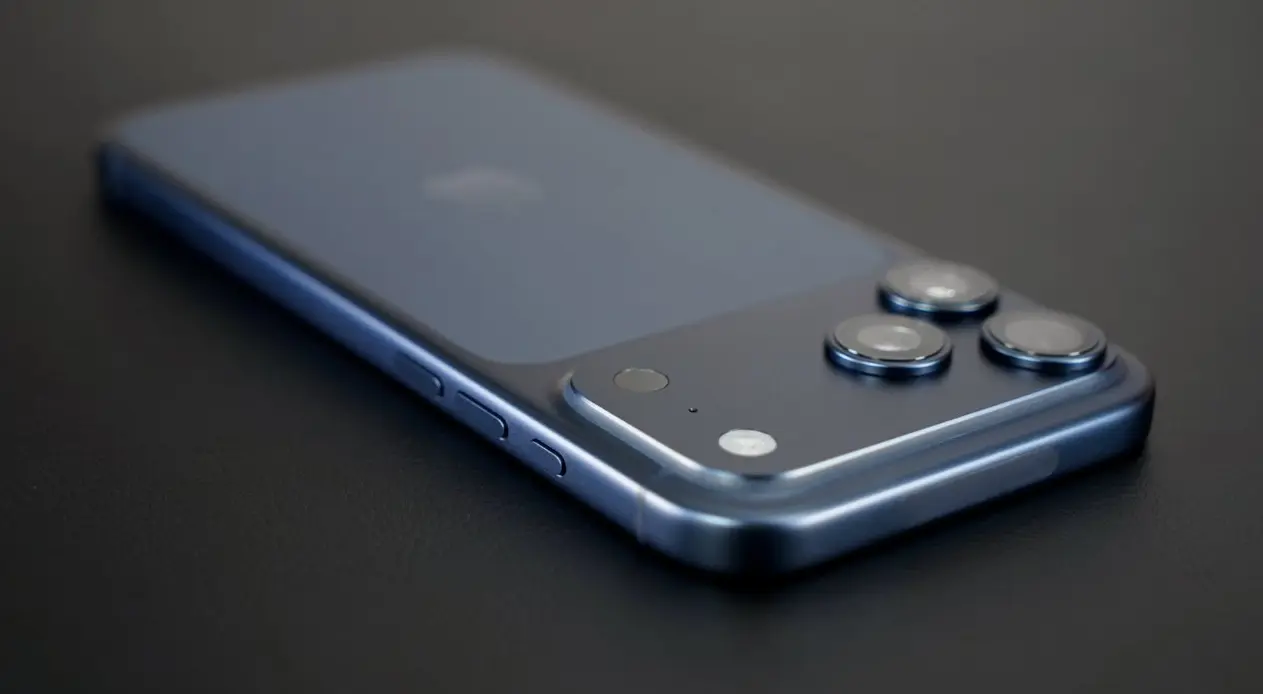
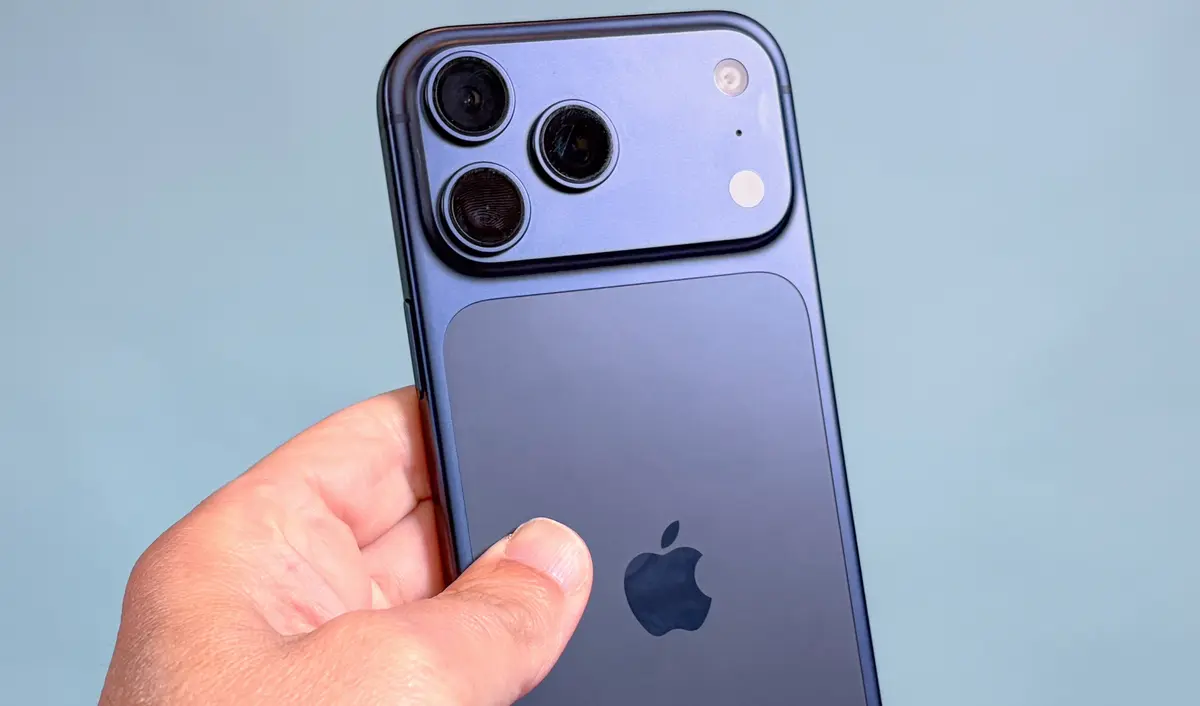
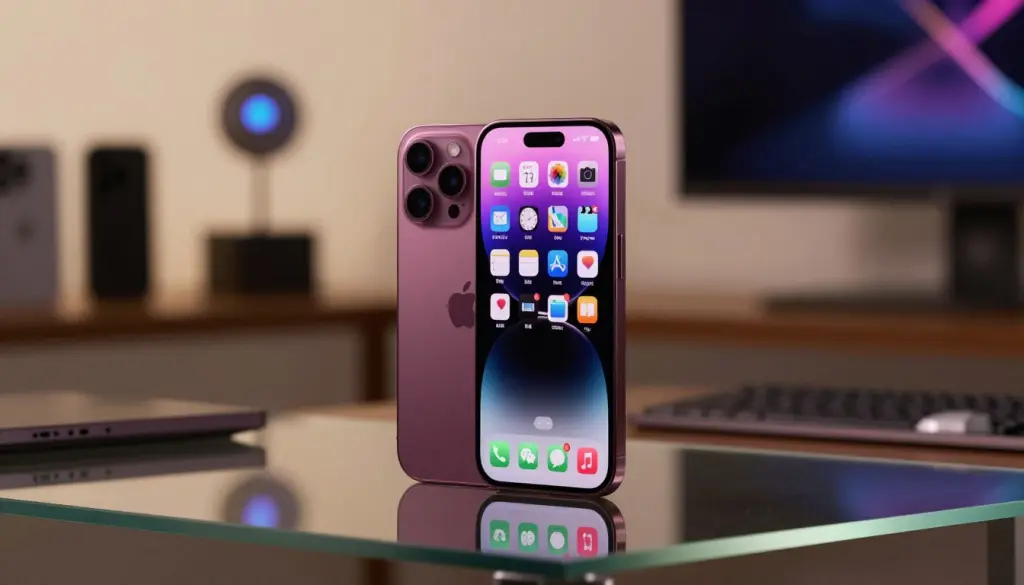
The iPhone 18 Pro Max release date is one of the most searched topics in tech right now. With Apple expected to unveil its next flagship lineup in just a few months, leaks and supply-chain reports have already painted a detailed picture of what the largest Pro model will offer.
If you are deciding whether to upgrade now or wait for the fall launch, this guide covers the expected release window, pricing, design changes, camera upgrades, and performance improvements based on the latest credible rumors.
When Is the iPhone 18 Pro Max Coming Out?
Apple is expected to unveil the iPhone 18 Pro Max in September 2026, maintaining its traditional fall launch cycle for Pro models. Industry sources indicate that Apple will host its annual keynote in early-to-mid September, with pre-orders beginning the same week and retail availability shortly after.
A significant change this year involves Apple’s broader lineup strategy. While the iPhone 18 Pro and iPhone 18 Pro Max will launch in September alongside a new foldable device, the standard iPhone 18 and iPhone 18E may be delayed until early 2027. This staggered release means the Pro Max will be the primary focus for flagship shoppers in late 2026.
Expected Price and Availability
Pricing for the iPhone 18 Pro Max is expected to remain in line with current Pro Max tiers, likely starting around $1,199 in the United States. However, analyst reports suggest that camera component costs have risen by up to 50 percent, which could place pressure on final retail pricing.
Apple typically offers the Pro Max in 256 GB, 512 GB, and 1 TB storage configurations, with a 2 TB option possible. Availability will likely be limited in the first two weeks due to high demand and potential supply constraints on the new A20 Pro chip.
Design and Display
Smaller Dynamic Island
One of the most visible design changes is a smaller Dynamic Island. Early rumors suggested fully under-screen Face ID, but recent reports indicate only the flood illuminator will move beneath the display. The front camera will remain visible, resulting in a narrower pill-shaped cutout rather than a complete elimination of the island.
LTPO+ Display Technology
The iPhone 18 Pro Max will likely retain its 6.9-inch display size, but Apple is rumored to adopt LTPO+ panel technology. This should improve power efficiency and contribute to longer battery life without sacrificing the 120 Hz ProMotion refresh rate. The overall chassis dimensions are expected to remain similar to the iPhone 17 Pro Max, though some leaks suggest the device may be slightly thicker to accommodate a larger battery.
Camera Upgrades: Variable Aperture
Camera hardware is expected to be the headline upgrade for the Pro Max. The main 48-megapixel Fusion camera is rumored to gain a variable aperture system, allowing users to control depth of field and light intake more precisely. This would mark a first for iPhone photography, bringing DSLR-like control to the native camera app.
It remains unclear how significant the improvement will be in practice, given the physical size constraints of smartphone sensors. However, the addition of variable aperture should improve portrait shots and low-light performance.
Performance: A20 Pro Chip and C2 Modem
A20 Pro Chip
At the core of the iPhone 18 Pro Max is the expected A20 Pro chip, manufactured on TSMC’s first-generation 2nm process. This represents a shrink from the 3nm architecture used in the A19 Pro, which should deliver measurable gains in both CPU/GPU performance and power efficiency. A new packaging design is also expected to improve thermal management.
C2 Modem and 5G via Satellite
Apple is reportedly moving to its third-generation C2 cellular modem, replacing Qualcomm solutions in the Pro lineup. The C2 is expected to support 5G connectivity via satellite, enabling web browsing in areas without traditional cellular or Wi-Fi coverage. This follows the C1X modem introduced in the iPhone Air, which Apple marketed as its most power-efficient modem to date.
Battery Life and Charging
Battery capacity on the Pro Max is rumored to jump to approximately 5,100 mAh, up from previous generations. The combination of a larger physical cell and the efficiency gains from LTPO+ and the 2nm chip should translate to noticeably longer screen-on time. Weight may increase slightly beyond 240 grams due to the larger battery.
Charging speeds are less certain, but MagSafe and Qi2 support are guaranteed. The rear Ceramic Shield area around the MagSafe ring is also rumored to feature a more seamless, frosted finish that blends better with the back glass.
New Colors and Build Quality
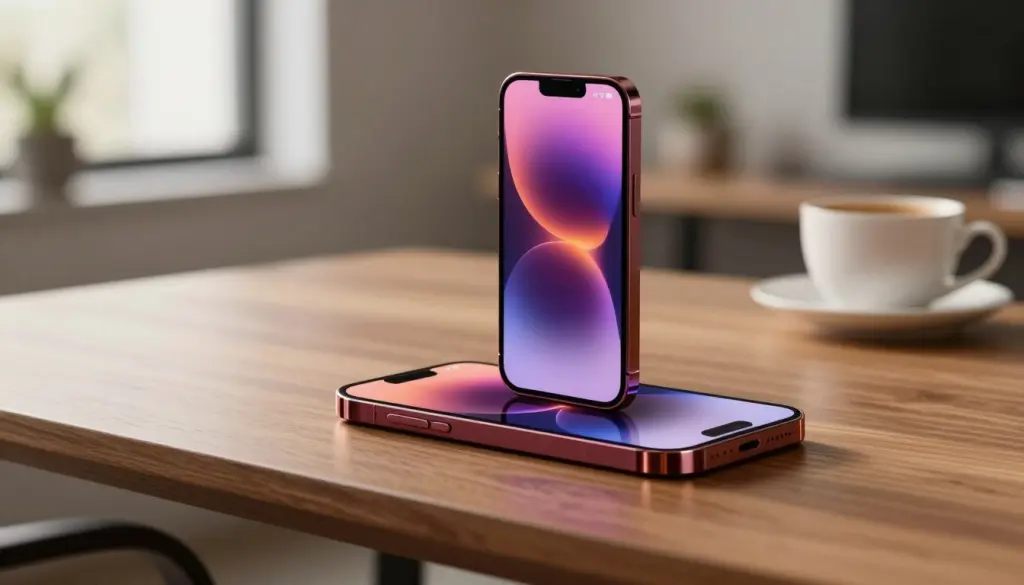
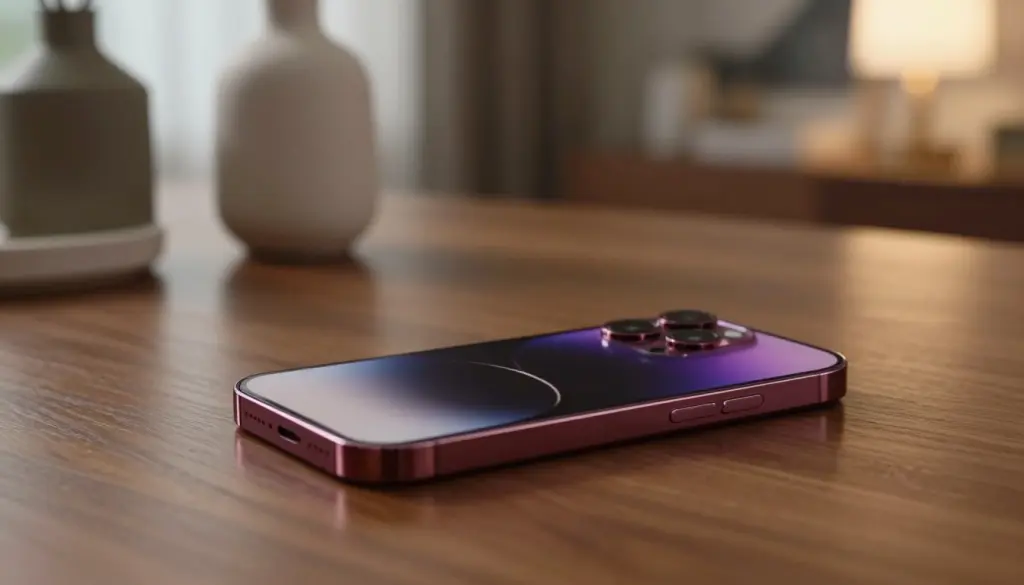
For 2026, the signature color for Pro models is rumored to be Dark Cherry, joining Light Blue, Dark Gray, and Silver. Existing colors like Cosmic Orange and Deep Blue are expected to be retired. The titanium frame is likely to continue, offering a premium feel while keeping weight manageable despite the larger battery.
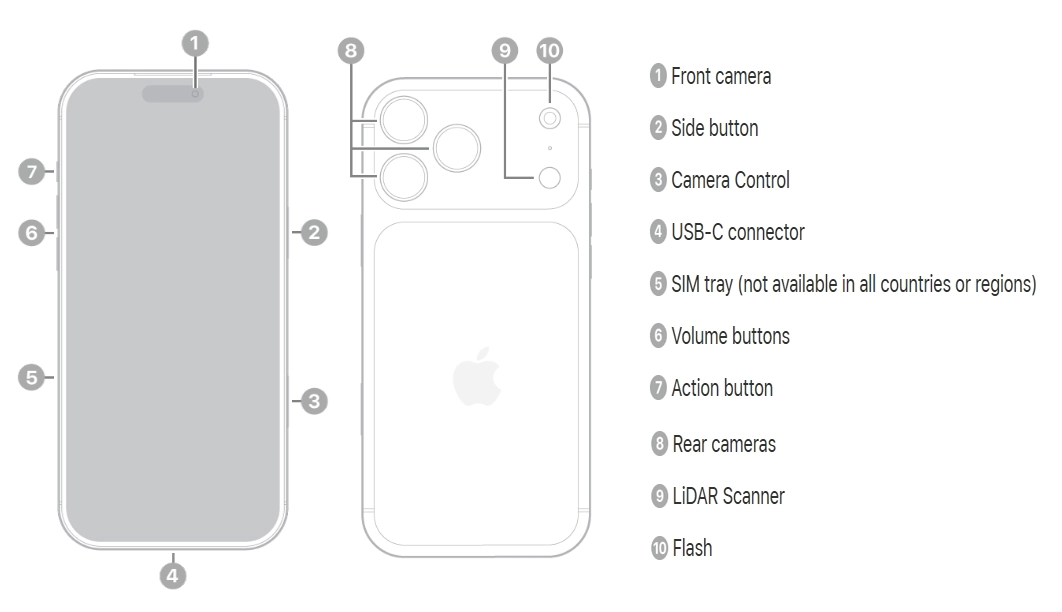
Additionally, the Camera Control button is reportedly being simplified. Apple may remove touch sensitivity and haptic feedback from the button, retaining only pressure sensitivity to reduce accidental inputs.
iPhone 18 Pro Max vs iPhone 18 Pro: What’s Different?
Both Pro models are expected to launch simultaneously in September 2026 and share the A20 Pro chip, variable aperture main camera, and C2 modem. The primary differences will be:
Feature
iPhone 18 Pro
iPhone 18 Pro Max
Display Size
6.3 inches
6.9 inches
Battery Capacity
~4,288 mAh
~5,100 mAh
Weight
Lighter
Heavier (~240g+)
Starting Price
Lower (~$1,099)
Higher (~$1,199)
If you prioritize screen real estate and battery endurance, the Pro Max remains the clear choice.
Should You Wait for the iPhone 18 Pro Max?
If you currently own an iPhone 15 Pro Max or older, the combination of the 2nm A20 Pro chip, variable aperture camera, and 5G satellite connectivity makes the 2026 model a compelling upgrade. The smaller Dynamic Island and LTPO+ display are quality-of-life improvements that refine daily usage.
However, if you recently purchased an iPhone 17 Pro Max, the upgrades—while solid—may feel iterative unless camera control and satellite browsing are must-have features for your workflow.
Final Thoughts
The iPhone 18 Pro Max release date is firmly targeted for September 2026, and the rumor cycle suggests a device focused on camera innovation, efficiency, and refined design rather than a radical overhaul. For shoppers holding out for Apple’s biggest screen and best battery, the Pro Max continues to be the flagship to watch.
Keep this page bookmarked. We will update it as Apple confirms details closer to the official keynote.
The latest flagship device has a design that catches the eye and a finish that feels luxurious. This new iPhone 18 release stands out by combining elegance with practicality. The iPhone 18 dark cherry color is a new standard in mobile beauty. It offers a bold, mature look that feels premium in your hand.
This model does more than just look good. It’s a shift towards devices that are both powerful tools and fashion statements. As we dive into its features, you’ll see why it’s the top choice for those who value quality and style.
The Aesthetic Appeal of the iPhone 18 Dark Cherry
When you hold the iPhone 18 Dark Cherry, you notice its fine craftsmanship right away. It combines top-notch tech with a stylish look that catches the eye. Its deep color is a grown-up choice compared to usual metallic finishes.
Design Philosophy and Color Integration
The design of this model aims for perfect color blending. Engineers used a special anodization to keep the dark cherry color even all over. This process makes the metal hold the color well, giving it a rich look that changes a bit with the light.
The goal was to make the frame and back glass look like one piece of art. The device’s curves and the color’s depth work together beautifully. This makes the phone feel premium and nice to touch.
Durability and Finish Quality
The phone looks great but is also tough for daily use. Its finish is made to fight off scratches and smudges. This keeps your phone looking new, even after lots of use.
The phone’s structure is also strong. It has a reinforced frame that keeps things safe inside while staying light. You can count on the phone’s beautiful look to last, thanks to solid engineering.
Technical Specifications and Performance Capabilities
The new iPhone release is packed with modern engineering. Every part works together for a smooth experience. You’ll see big improvements in speed and how quickly it responds.
Processing Power and Efficiency
The iPhone 18 series has a custom-designed chipset. It focuses on both power and saving energy. This means your phone stays cool, even when you’re doing demanding tasks.
Advanced Camera System Features
Photography fans will love the camera upgrades. The new sensors let in more light, making photos clearer in low light. The advanced imaging engine also improves colors and textures right away.
These features let you take professional photos without big cameras. The camera system gives you sharp, bright photos every time. You can trust it to capture great shots, whether it’s portraits or wide landscapes.
Battery Life and Charging Innovations
The iPhone 18 is great at saving power. It uses your habits to last longer on a charge. This means you can get through busy days without needing to find a charger.
When you do need to charge, the iPhone 18 charges fast. This means you won’t be waiting long to use your phone again. The iPhone 18 series is all about high performance and saving energy.
Analyzing the Pros and Cons of the Latest iPhone Model
When you look at the iPhone 18 series, you need to balance its great upgrades with everyday use. Understanding how it fits into your digital life is key. Knowing both the good and the bad helps decide if it’s right for you.
Key Advantages of the iPhone 18 Series
The latest iPhone model brings big tech leaps that improve your experience. You’ll see faster processing and clearer displays, making multitasking easy. These features aim to make your work and personal tasks smoother.
Also, the advanced software keeps your device fast even when it’s busy. This means you can use it for longer, which is great for those with busy lives. You get a range of tools that focus on both speed and ease of use.
Potential Drawbacks to Consider
Even with its many strengths, there are areas where it might not meet all your needs. Some might find the new software harder to learn than expected. Also, the high cost of the iPhone 18 is a big investment.
Think about whether your current accessories will still work with the new design. Even small changes can affect how well they fit. Checking these details can prevent surprises after you buy.
Comparison with Previous Generations
Comparing the iPhone 18 to older models shows big improvements in cameras and battery life. The new model takes better photos and lasts longer. These upgrades are a big step forward in mobile tech.
Older models are still good, but the new series is a big leap. If you’re using an old device, the upgrade will be noticeable. Deciding to upgrade depends on how much you value these improvements in your daily life.
Ideal User Profiles for the Dark Cherry Mobile Device
Your choice of mobile hardware shows who you are and what you value. The right tool helps you stay productive all day. The iPhone 18 dark cherry is powerful and stylish, fitting many users’ needs.
Professional Use Cases
Busy executives and entrepreneurs will love this device. It’s fast and reliable for work, from spreadsheets to video calls. Its sleek look keeps you looking sharp at meetings.
For those who need to stay connected, this phone is perfect. It handles many tasks at once, keeping you on track. This shows you’re professional and on top of things.
Creative and Content Creation Potential
Digital media professionals will find this phone amazing. Its camera takes stunning photos and videos. Its unique color makes it stand out in creative work.
Creators need a phone that can handle tough editing and big files. The iPhone 18 dark cherry does just that. It keeps up with your creative work while looking great.
Lifestyle and Daily Productivity Benefits
This phone is great for your personal life too. It organizes your schedule, fitness, and smart home in one place. It makes your daily tasks easier, so you can focus on what’s important.
The dark cherry iPhone is for those who want style and function. It meets your needs, whether at work or play. It’s the perfect tool for boosting your daily productivity.
Final Verdict on the iPhone 18 Dark Cherry
Choosing to upgrade means finding a device that looks good and works great. The iPhone 18 dark cherry changes how tech meets your style. It has a unique look that makes it stand out.
This latest model gives you a fast and reliable experience. It supports your daily tasks and creative projects well. The device is strong but also slim, feeling high-end in your hand.
Buying this dark cherry mobile device shows you value quality. It’s a powerful tool that improves your digital life. It shows you care about the latest in design and technology. Check out your local Apple store or the official website to get yours. See how innovation and style come together in this new tech.
A small horizontal lines on monitor can turn a productive workday into a frustrating experience. Whether you’re seeing thin flickering bands, thick colored stripes, or persistent lines that won’t go away, this comprehensive guide will help you diagnose and fix horizontal lines on your laptop monitor.
These display issues affect various laptop brands including HP, Dell, Lenovo, and Asus, and can stem from software glitches or hardware failures. Before panicking about expensive repairs, many horizontal line issues can be resolved through systematic troubleshooting.
What Causes Horizontal Lines on Laptop Screen
Understanding the root cause helps determine the right fix for horizontal lines on laptop monitor:
Software-Related Causes
Outdated or corrupted graphics drivers causing improper pixel rendering
Incorrect screen resolution conflicting with your display’s native specifications
Refresh rate mismatches between your GPU and monitor
Hold the power button for 10-15 seconds for a hard restart
Turn your laptop back on and check if the horizontal lines persist
What this tells you: If lines disappear after restart, the issue was likely a temporary software conflict.
Method 2: Check and Reseat Display Cables
Loose or damaged cables are common causes of laptop screen horizontal lines, especially on older devices.
For External Monitors:
Power off your laptop completely
Disconnect all video cables (HDMI, DisplayPort, VGA)
Inspect cables for fraying, bent pins, or damage
Reconnect cables firmly and ensure proper seating
Try a different cable if available
For Built-in Laptop Screens:
Gently adjust your laptop screen angle while observing the lines
If lines move, flicker, or change when adjusting the lid, this indicates a loose internal ribbon cable
This requires professional repair to access and reseat the internal display cable
Method 3: Update Graphics Driver
Outdated graphics drivers are among the most common causes of horizontal lines on laptop monitor.
Steps for Windows 10/11:
Press Windows + X and select Device Manager
Expand Display adapters
Right-click your graphics card (Intel, NVIDIA, or AMD)
Select Update driver
Choose Search automatically for drivers
Restart your laptop after installation
Alternative Method:
Visit your laptop manufacturer’s support website (HP, Dell, Lenovo) and download the latest graphics driver specific to your model.
If problems started after a recent update: Roll back the driver by right-clicking the graphics adapter → Properties → Driver tab → Roll Back Driver.
Method 4: Adjust Screen Resolution
Incorrect screen resolution can cause horizontal lines laptop screen by forcing pixels to render improperly.
Steps:
Right-click on desktop → Display settings
Scroll to Display resolution
Select the Recommended resolution (usually marked)
Click Keep changes if the lines disappear
Note: Each laptop has a native resolution optimal for its screen size. Using non-native resolutions can create display artifacts including horizontal lines.
Method 5: Change Refresh Rate
Refresh rate mismatches between your GPU and display can cause flickering horizontal lines.
Steps:
Open Settings → System → Display
Scroll down and click Advanced display settings
Select Refresh rate from the dropdown
Try different refresh rates (60Hz is standard for most laptops)
If you have G-Sync or FreeSync, ensure it’s properly configured
What this tells you: If changing refresh rate eliminates the lines, your previous setting was incompatible with your display.
Method 6: Test with External Monitor
This critical diagnostic step determines whether you have a screen hardware issue or GPU problem.
Steps:
Connect your laptop to an external monitor via HDMI or DisplayPort
Press Windows + P to access display options
Select Duplicate to mirror your laptop screen
Observe the external monitor carefully
Results:
Lines only on laptop screen: LCD panel or internal cable failure requiring screen replacement
Lines on both screens: Graphics card or motherboard issue
No lines on external monitor: Internal laptop screen hardware problem
Method 7: Run Hardware Diagnostics
Most laptop manufacturers include built-in diagnostic tools to test display hardware.
Steps:
Restart your laptop
Press the diagnostic key during startup (varies by brand):
HP: F2 or ESC
Dell: F12
Lenovo: F10
ASUS: F9
Navigate to Display Test or LCD Test
Run the full diagnostic scan
BIOS Screen Test:
Enter BIOS by pressing F2, F10, or DEL during startup
If horizontal lines appear in BIOS, this confirms hardware failure
Software fixes will not resolve hardware-level issues
Method 8: Scan for Malware
Malware can interfere with display drivers and cause horizontal lines laptop monitor issues.
Steps:
Open Windows Security (Windows 10/11) or your antivirus program
Select Virus & threat protection
Click Scan options
Choose Full scan
Remove any detected threats
Restart your laptop
Method 9: Factory Reset
If all software fixes fail, a factory reset eliminates corrupted system files causing laptop screen horizontal lines.
Before proceeding:
Backup all important files to external storage or cloud
Ensure you have installation media for essential software
Note your Windows product key
Steps:
Open Settings → System → Recovery
Under Reset this PC, click Get started
Choose Keep my files or Remove everything
Follow on-screen instructions
Your laptop will restart multiple times during the process
Warning: Factory reset should be your last resort for software troubleshooting.
When to Replace Your Laptop Screen
If horizontal lines persist after trying all methods above, you likely have hardware failure requiring professional screen replacement.
Signs you need screen replacement:
Lines appear in BIOS or during startup before Windows loads
Lines are visible on external monitor (GPU failure, not screen)
Adjusting screen angle changes line appearance (cable damage)
Lines appeared after physical impact or pressure on the screen
Multiple colored lines or dead pixel rows
Cost considerations: Laptop screen replacement typically costs between $150-$400 depending on screen size, resolution (FHD vs 4K), and whether it’s a touchscreen. Professional repair services usually complete replacements within 24-48 hours.
Preventing Future Display Issues
Avoid closing laptop lid with objects on keyboard
Use a protective sleeve when transporting your laptop
Keep graphics drivers updated regularly
Avoid exposing laptop to extreme temperatures
Don’t apply pressure to the screen when cleaning
Use recommended screen resolution and refresh rate settings
Conclusion
Fixing horizontal lines on laptop screen requires systematic troubleshooting starting with simple restarts and driver updates before considering hardware replacement. Most software-related issues resolve through updating graphics drivers, adjusting display settings, or running malware scans.
However, if horizontal lines appear in BIOS, persist across all troubleshooting methods, or are visible on external monitors, you’re facing hardware failure requiring professional screen replacement or GPU repair. The external monitor test is crucial for distinguishing between LCD panel failure and graphics card issues.
For laptop users experiencing persistent display problems despite software fixes, consulting a certified repair technician ensures proper diagnosis and prevents further damage to your device.
Welcome to the ultimate guide for your new Samsung Galaxy S26! This powerhouse smartphone combines cutting-edge hardware with intuitive One UI software to deliver a seamless experience for everyday use, productivity, and creativity. Whether you’re setting it up for the first time or exploring advanced features, this Samsung S26 User manual breaks everything down in simple, friendly steps.
Downloading your Official Samsung S26 User manual
Head to Samsung’s support site for the free PDF user manual covering every detail from setup to advanced tips. Interactive versions on your device via Settings > About Phone > Manuals are handy too. Sites like galaxys26manual.com offer beginner-focused downloads optimized for seniors and novices.
Unboxing and Initial Setup
Start your Galaxy S26 journey by unboxing the device, which includes the phone, USB-C cable, and SIM ejector tool. Power on by pressing the side button, then follow the on-screen setup wizard to select your language, connect to Wi-Fi, and sign in with your Samsung or Google account.
Enable features like biometric security—fingerprint scanner or face recognition—for quick unlocks, and transfer data from your old phone using Smart Switch.
Customize your home screen right away by long-pressing the background to add widgets, change wallpapers, or rearrange apps. The One UI 8 interface, based on Android 16, offers up to seven years of updates for long-term support.
Stunning Display and Design
The Galaxy S26 boasts a 6.3-inch Dynamic LTPO AMOLED 2X display with 120Hz refresh rate, HDR10+ support, and up to 2600 nits peak brightness for vibrant visuals even in sunlight. Its slim 7.9mm thickness, IP68 water and dust resistance, and premium glass-titanium build make it both durable and pocket-friendly.
Adjust display settings via Settings > Display: enable Always On Display for glanceable info, tweak adaptive brightness, or switch to Dark mode to save battery. Use the anti-reflective coating to reduce glare during outdoor use.
Powerful Performance and Storage
Powered by the Qualcomm Snapdragon 8 Elite Gen 5 chipset (3nm process) with octa-core CPU (up to 4.6GHz) and Adreno 840 GPU, the S26 handles gaming, multitasking, and AI tasks effortlessly. It comes with 12GB RAM and storage options of 256GB or 512GB (UFS 4.0), expandable via cloud—no microSD slot needed.
Access Samsung DeX for a desktop-like experience by connecting to a monitor via USB-C. One UI 8.5 introduces AI enhancements like notification summaries and refined Device Care for optimizing RAM and storage with one tap.
Pro-Level Camera System
Capture stunning shots with the triple rear setup: 50MP main (f/1.7, OIS), 10MP telephoto (3x optical zoom), and 12MP ultrawide with Super Steady video. The 12MP front camera supports 4K video and HDR10+ for selfies that pop.
Open the Camera app and swipe for modes like Pro, Night, or Portrait. Use Laser AF for sharp focus, Best Face for group shots, and AI editing tools in Gallery to remove objects or enhance colors. Record up to 8K@30fps with gyro-EIS for smooth footage.
Battery and Charging Essentials
The 4300mAh battery lasts all day with moderate use, thanks to efficiency gains from the chipset and adaptive refresh rates. Wired 60W charging hits 50% in about 30 minutes; wireless Qi2 at 15W and reverse 4.5W keep accessories powered.
Monitor health in Settings > Battery and device care: enable Power saving mode, limit background apps, or view usage stats. One UI 8.5 revamps the battery menu with color-coded status and percentage display for easy tracking.
Connectivity and Audio Features
Stay connected with 5G (Sub6/mmWave), Wi-Fi 7, Bluetooth 5.4, NFC, and Ultra Wideband (UWB) for precise sharing. Stereo speakers deliver high-bitrate audio; no 3.5mm jack, so use USB-C adapters.
Pair devices via Quick Settings panel (swipe down twice). Enable Samsung Wireless DeX for mirroring to TVs or PCs. Sensors like ultrasonic fingerprint, accelerometer, and barometer support features like Always On Listening.
One UI 8 Customization and AI Tools
One UI 8.5 shines with iOS-inspired Gallery previews, bottom-placed search bars, and Quick Panel tweaks—reposition toggles or sliders easily. Galaxy AI powers Live Translate, Circle to Search, and photo editing.
Explore Good Lock modules for deeper tweaks. Update via Settings > Software update for the latest security and features.
Troubleshooting Common Issues
For slow performance, clear cache in Device Care or restart. If Wi-Fi drops, forget and reconnect networks. Camera glitches? Force close and update the app. Battery drains fast? Check Adaptive battery settings.
Visit Settings > Help for built-in FAQs or Samsung Members app for diagnostics.
Your Samsung Galaxy S26 is more than a phone—it’s your daily companion packed with innovation. Dive in, experiment with its features, and enjoy the smooth, AI-smart experience that keeps getting better with updates. Happy exploring!
The Galaxy S26 is a powerful, feature‑packed smartphone, and treating this article as your manual will help you get the best performance, battery life, and reliability out of it every day. This friendly Samsung S26 user guide covers key features, practical tips, and simple troubleshooting steps so both beginners and experienced users can feel confident with their device.
Welcome to your Galaxy S26 Owners Manual
Samsung’s Galaxy S26 series combines a premium Dynamic LTPO AMOLED 2X display, cutting‑edge Snapdragon chipset, and a versatile multi‑camera system in a sleek, water‑resistant body. You also get a long‑lasting 5000 mAh battery, fast 5G connectivity, and Samsung’s One UI with years of Android upgrades for long‑term support.
The high‑brightness 120 Hz AMOLED screen makes content look smooth and vivid indoors and outdoors.
IP68 water and dust resistance helps protect your phone from accidental splashes and brief submersion.
Under‑display ultrasonic fingerprint and face unlock give fast, secure authentication for daily use.
Essential Setup and Basic Features
Getting setup right on day one saves time and avoids frustration later. Focus on accounts, security, and personalization before diving into advanced tools.
During initial setup, sign in with your Google and Samsung accounts to enable backups, Find My Mobile, and Galaxy Store access.
Turn on biometric unlock (fingerprint and face) plus a strong PIN so your data stays secure without slowing you down.
Customize the Home screen by adjusting the grid, adding widgets, and using Samsung’s Themes app to match your style.
Core features you will use daily include:
Always‑On Display for quick glances at time, notifications, and battery without waking the screen.
Edge panels for quick access to apps, clipboard, and tools with a simple swipe from the screen edge.
The Galaxy S26 camera hardware is impressive, but a few habits make photos and videos consistently better.
Use the main 200 MP wide camera for everyday shots and switch to 3x or 5x telephoto lenses for zoomed portraits and distant subjects.
Enable Scene Optimizer and HDR for balanced exposures, and try Pro or Expert RAW (if available) for more control when shooting challenging scenes.
For video, choose 4K at 30 or 60 fps for a balance of quality, battery use, and file size, reserving 8K for special moments.
Performance and battery management keep your phone feeling fast over time.
In Settings > Battery and device care, run optimization occasionally to clear background apps and temporary files.
Reduce screen brightness or use Adaptive Brightness and keep refresh rate on adaptive mode to save power without losing smoothness.
Avoid frequent 0–100% cycles; instead, charge between roughly 20–85% when possible, and use wired fast charging only when needed to preserve long‑term battery health.
Connectivity, Payments, and Smart Features
Modern connectivity and smart tools make the Galaxy S26 more than just a phone.
With Wi‑Fi 7, 5G, and Bluetooth 5.4, you get fast data, stable audio connections, and low‑latency accessories for gaming and calls.
NFC is positioned to make tap‑to‑pay more reliable, reducing failed payment attempts at terminals.
Use Samsung Wallet (or your preferred payment app) to store cards, IDs (where supported), and passes for faster checkouts and travel.
Galaxy AI and One UI enhancements (depending on software version) can boost productivity.
Try AI‑assisted features like improved photo editing, transcription, or call assistance as they roll out with S26 updates.
Use routines and modes to automate settings based on time, location, or activity—for example, enabling Do Not Disturb and dark mode at night automatically.
Common Troubleshooting and Quick Fixes
Even the best phones occasionally hit problems; most can be fixed quickly with a few simple steps.
If the phone feels slow or laggy, restart it, close unused apps, and check for system and app updates in Settings > Software update and Galaxy Store.
For battery draining too fast, review which apps are using the most power in Settings > Battery, restrict background activity, and disable unnecessary Always‑On or location features.
When Wi‑Fi or mobile data misbehaves, toggle Airplane Mode on and off, forget and reconnect to Wi‑Fi networks, or reset network settings as a last resort.
If issues persist:
Boot into Safe Mode to see if a third‑party app is causing crashes or unusual behavior.
Back up important data with Samsung Cloud, Google Drive, or a computer, then perform a factory reset only when other fixes fail.
Consult the official online Galaxy S26 owners manual and Samsung Support for device‑specific diagnostics, repair options, or warranty service.
Final Thoughts: Make the Most of Your Galaxy S26
The Galaxy S26 is designed to be a dependable companion, not just a spec sheet, and learning its core features, shortcuts, and settings turns it into a truly personal device. By following the tips in this Galaxy S26 owners manual—optimizing setup, mastering the camera, caring for the battery, and using practical troubleshooting steps—you can enjoy a smoother, faster, and more reliable experience for years.
Got your shiny new iPhone 17 Pro Max and feeling a bit lost amid all those cutting-edge features? You’re in luck; Apple provides a free official iPhone 17 Pro Max user guide PDF that covers everything from setup to mastering Apple Intelligence on iOS 26.
Why the Official iPhone 17 Pro Max Manual Rocks?
Apple ties the user guide to iOS 26, so it works perfectly for the iPhone 17 Pro Max with its A19 chip, ProMotion display, and advanced camera system.
This comprehensive PDF dives into Face ID setup, Stolen Device Protection, battery optimization, and troubleshooting tips like fixing connectivity glitches or app crashes.
No more trial-and-error It’s your friendly roadmap to hidden gems like Back Tap shortcuts and RCS messaging.
Step-by-Step to Download iPhone 17 Pro Max User Guide
Head straight to Apple’s support site for the legit free download—no shady third-party sites needed.
Visit support.apple.com/docs/iphone and select iPhone 17 Pro Max under Documentation.
Download for offline use or add to the Books app on your device for easy searching and bookmarks.
Pro tip: Check for updates after iOS patches to stay current.
How to save the iPhone 17 Pro Max user manual for offline reading
To save the iPhone 17 Pro Max manual for offline reading, download Apple’s official PDF directly from their support site and store it securely on your device or computer.
Download via Apple Support
Access the manual at support.apple.com/docs/iphone, select iPhone 17 Pro Max, and click the PDF link under “iPhone User Guide.” The file downloads instantly for free—no account required—and opens in any PDF reader like Adobe Acrobat or Preview.
Add to Apple Books App
For seamless offline access on your iPhone, iPad, or Mac:
Open the Books app, and tap the downloaded PDF from Files or Safari.
Choose “Add to Library” to sync it across devices via iCloud.
Enable offline mode in Books settings for anytime reading with search and bookmarks.
Third-Party Options
Print to PDF from your browser or use apps like GoodNotes for annotations, but always start from Apple’s source to ensure the latest iOS 26 version. This keeps your manual updated and malware-free.
Key iOS 26 features covered in the iPhone 17 Pro Max
The iPhone 17 Pro Max user manual covers key iOS 26 features like Apple Intelligence, enhanced CarPlay, and advanced camera tools, tailored for seamless device mastery.
Apple Intelligence Highlights
Apple Intelligence powers smart features such as Live Translation for calls, Visual Intelligence for screenshot analysis, and AI-driven photo editing directly in the Camera app.
The manual explains setup, privacy controls, and integration with apps like Messages for smarter replies.
Design and Customization
iOS 26 introduces a “Liquid Glass” interface with customizable Lock Screens, tinted app icons, and full-screen screenshot previews in HDR.
Users learn to personalize Dynamic Island, Action Button shortcuts, and widgets for productivity.
Communication and Productivity
Tapbacks in Messages, cross-device call continuity, and eSIM transfers between iPhone and Android simplify sharing, while the Preview app handles PDF editing on the go.
Battery optimization, Find My enhancements, and Center Stage for video calls get detailed troubleshooting.
Hardware-Software Synergy
The guide links iOS 26 to Pro Max specifics like ProMotion display tweaks, haptic feedback customization, and camera upgrades, including audio input switching.
Setup & Basics: Apple ID sign-in, data transfer from old iPhones, Wi-Fi connection, calls, and App Store navigation.
Power Features: Camera controls, photo editing with Apple Intelligence, privacy settings, and parental controls.
Troubleshooting: Battery health tweaks, storage management, and emergency SOS setup.
It’s packed with screenshots for visual learners, making complex stuff like haptic feedback customization a breeze.
Safety First: Avoid Fakes
Stick to Apple’s site to dodge malware-laden knockoffs promising “complete” guides; those are often paid books or unofficial PDFs. The real deal is always free, updated, and tailored to iOS 26 features.
Grab that PDF today, and transform your iPhone 17 Pro Max from a gadget into your ultimate sidekick. Happy exploring—you’ve got this!
If you’re a fan of Samsung’s flagship Galaxy series, the excitement for the Galaxy S26 Ultra is already building up. But when will it launch? What can users expect? Here’s everything we currently know about the Samsung Galaxy S26 Ultra release date and key features.
Samsung Galaxy S26 Ultra Release Date Details
Samsung traditionally launches its new Galaxy S series phones early in the year. For the Galaxy S26 Ultra, reports and leaks confirm that the official release will take place in early 2026. Several sources suggest a major Unpacked event scheduled for February 25, 2026, in San Francisco, California, marking a return to a city of previous flagship launches.
While rumors hinted at possible pre-orders in December 2025, the more reliable timeline points to an unveiling between late January and February 2026, with shipping soon after.
This timing positions the S26 Ultra as a prime contender for early-year flagship dominance, aiming to capture attention well ahead of competing models.
Design and Display Evolution
Expect the Galaxy S26 Ultra to carry Samsung’s signature premium design, but with subtle refinements. It’s rumored to be thinner and lighter than its predecessor, the S25 Ultra, with a body thickness under 7 mm and slightly taller and wider dimensions to accommodate a 6.9-inch display.
This display promises enhanced clarity and reduced glare due to new “CoE depolarizer technology” and third-generation anti-reflective glass. The Ultra will retain an edge-to-edge AMOLED screen with a high refresh rate, offering vibrant visuals and smooth responsiveness.
Ergonomics and everyday usability appear to be a focus, with a durable glass and metal build and a more comfortable grip.
Powerful Performance and Software
The S26 Ultra is expected to run on the powerful Qualcomm Snapdragon 8 Elite 2 chipset, delivering faster speeds and improved energy efficiency. Some variants may feature Samsung’s in-house Exynos 2600 processor, though mainly in lower-tier models.
The phone is set to ship with Samsung’s latest One UI 8.5 software, based on Android 16, alongside an impressive seven years of OS and security updates. This extensive software support ensures longevity and ongoing improvements, a huge plus for users planning to keep their devices for years.
Additional productivity boosts come via native multitasking features, Samsung DeX support, and AI enhancements integrated into the system experience.
Camera Upgrades
Camera innovation remains a hallmark for Samsung’s Ultra lineup, and the S26 Ultra raises the bar further. It features a 200-megapixel primary sensor with advanced AI-driven image processing for exceptional detail, color accuracy, and low-light shooting.
The camera setup includes multiple lenses: wide, ultra-wide, and telephoto options, including a rumored new 3x telephoto lens alongside a 5x periscope zoom lens.
Video capture capabilities include 8K recording with stabilization, fitting both casual users and content creators wanting professional-grade output from their smartphones.
Battery and Charging
The Galaxy S26 Ultra is expected to maintain a large 5000 mAh battery, a capacity that balances power with manageable device weight. However, charging technology is getting a notable boost, with faster wired charging rumored to jump up to 100W, significantly reducing downtime.
Wireless charging remains on board with support for the new Qi2 standard, enabling convenient, fast wireless power-ups.
Additional Features and Conclusion
Besides core specs, the S26 Ultra may debut several new user-centric features, including Samsung’s “Flex Magic Pixel” privacy screen technology, which electronically sets a privacy filter on the display. Improved stereo speakers, advanced cooling systems, IP68 water and dust resistance, and ample storage options round out this flagship’s offering.
In conclusion, the Samsung Galaxy S26 Ultra is shaping up to be a top-tier flagship with impressive improvements across design, performance, camera, and battery technology. Its early 2026 release, likely around late January to late February at a dedicated Unpacked event in San Francisco, gives fans a clear date to look forward to. If the leaks and rumors hold true, the S26 Ultra will not only retain Samsung’s leadership in the smartphone arena but also redefine what users expect from a premium device.
For those who crave the latest tech advancements bundled in a sleek, powerful phone, the Galaxy S26 Ultra is worth waiting for.
If you want a Samsung S26 Ultra guide or detailed specs after launch, there will be plenty of helpful resources coming soon. For now, mark your calendars and get ready for one of Samsung’s biggest smartphone launches yet!
If you’ve just purchased the new iPhone Air, you’re probably excited to explore all its amazing features! But with any new device, questions often come up. That’s where the official iPhone Air user guide can be a lifesaver—it walks you through everything from setup to advanced customization tricks. Many iPhone users wonder: can you access the iPhone Air manual directly from a PC? The answer is yes, and it’s easier than you think.
Why You Might Need the iPhone Air User Guide on Your PC
Having the iPhone Air user guide on your computer can be extremely convenient. Maybe you prefer a larger screen for reading instructions, or perhaps you want to follow along on your PC while setting up your iPhone. With the guide open on one device and your iPhone in hand, it becomes much easier to try out new features step by step.
How to Access the iPhone Air User Guide on a PC
Apple makes the user guide readily available for all iPhone models, including the iPhone Air. You don’t need to own a Mac—your Windows PC will work perfectly. Here are the main ways to get it:
Through Apple’s Official Website
Simply go to Apple’s support page using any web browser on your PC. There, you can access the iPhone Air user manual in an interactive online format. The guide is updated regularly, so you’ll always see the most current information, even after iOS updates.
Download the PDF Version
If you’d like to have the manual saved offline, Apple provides a downloadable PDF. This is especially useful if you want to keep a copy stored on your PC for quick access without needing Wi-Fi.
Use the Apple Books App (Workaround for PC Users)
While Apple Books is an iPhone and Mac app, PC users can still download the PDF from Apple’s site and store it in their preferred PDF reader—such as Adobe Acrobat or Microsoft Edge. This gives you the same benefits as viewing it through Apple Books but with the convenience of your PC setup.
What You’ll Find in the Guide
The iPhone Air user guide isn’t just a basic manual. It’s a complete resource that covers every corner of your device:
Step-by-step setup for your iPhone Air
Guidance on transferring data from your old phone
Instructions for customizing settings and the Home Screen
Tips on using Apple Intelligence and other iOS 26 features
Troubleshooting advice for common issues
Security and privacy settings for protecting your data
Whether you’re new to iPhones or a longtime Apple fan, the guide ensures you’re getting the most out of your device.
Benefits of Using the iPhone Air User Guide on Your PC
Larger screen for easier reading
Ability to search quickly through the PDF version
Easy multitasking—read instructions on PC, try them on iPhone
Handy offline reference if your internet is down
Conclusion
So, can you get the iPhone Air user guide on your PC? Absolutely! Whether you prefer the online version directly from Apple, or a downloadable PDF you can store for offline use, Apple makes it simple to find the information you need. Having the guide on your PC gives you the perfect combination of convenience, clarity, and accessibility. So go ahead—download a copy today, and master your iPhone Air with confidence!
Ready to unlock the power of your brand-new iPhone 17? Whether you’re an eager first-timer or a seasoned Apple fan, mastering your device is simple and fun with the right directions. This iPhone 17 user guide walks you through all the essential iPhone 17 operating instructions, so you can make the most out of your iPhone 17 in no time!
Getting Started:Welcome to Your iPhone 17!
First things first—let’s set up your device and explore its brilliant features.
Powering On & Setup
Hold down the power button until you see the Apple logo. Follow the on-screen prompts to choose your language, region, and Wi-Fi, and sign in with your Apple ID. If you need help, Apple’s setup assistant will guide you every step of the way.
Unlocking & Security
Unlock your iPhone 17 using Face ID by simply looking at your screen, or use your passcode if preferred. Set up Face ID from Settings > Face ID & Passcode.
Cellular Service and a dual SIM
Insert your nano SIM card or activate eSIM from Settings > Cellular. You can add a second line for personal or business use—iPhone 17 supports Dual SIM for maximum flexibility.
Navigating Your iPhone: Basics Made Easy.
Home Screen & Icons
Swipe up from the bottom to access the Home Screen. Tap an app to open it, or swipe left/right to navigate between screens.
Control Center
To quickly change settings like Wi-Fi, Bluetooth, or screen brightness, swipe down from the top-right corner to open Control Center. Deep press icons for extra options such as adjusting the flashlight brightness or using instant timers.
Action Button
The new Action button on iPhone 17 manual lets you access favorite features instantly, like activating Silent mode, launching the camera, or starting a recording. Customize it under Settings > Action Button.
Multitasking & Quick Actions
Double-tap the Home Bar to switch between recent apps, use Picture-in-Picture for videos, or perform quick actions by long-pressing app icons.
At the top of your screen, Dynamic Island displays alerts, incoming calls, music, and activities in a stylish bubble. Tap or hold it for more controls.
Customizing Your Device
Personalize your lock screen with widgets, set live wallpapers, or change the text size for easy reading. Head to Settings > Display & Brightness for color and brightness adjustments.
Control Center and Accessibility
Customize your Control Center to add shortcuts for features you use often. Enable accessibility options like VoiceOver, Magnifier, and more in Settings > Accessibility.
Everyday Essentials
Connecting to the Internet
Join Wi-Fi networks via Settings > Wi-Fi. For mobile data, go to Settings > Cellular Data. Travel easily by changing your region and language under Settings.
Contacts, Mail & Calendar
Add mail accounts from Settings > Mail, sync contacts and calendars, and tap the icons to manage appointments or messages.
Taking Photos & Videos
To open the camera and start shooting, swipe left on the Lock Screen. The iPhone 17’s advanced camera system means your pictures and videos will look stunning, whether you’re a beginner or a pro.
Battery & Charging Tips
Maximize battery health by enabling Low Power Mode, managing background app refresh, and using Apple-certified chargers.
Troubleshooting & Support
Restarting & Resetting
If things freeze, simply press and hold the power and volume buttons together until you see the “slide to power off” option. If you need to reset your device, visit Settings > General > Transfer or Reset iPhone.
Get Help Anytime
Visit the built-in Tips app, explore the online iPhone User Guide, or reach out to Apple Support for expert advice.
Conclusion: Enjoy Your iPhone 17!
Your iPhone 17 is made for discovery, productivity, and fun. With these operating instructions, you’re set to explore everything your device has to offer—from core functions to creative customizations.
Dive in, experiment, and let your iPhone make everyday life easier and more enjoyable. And remember, Apple is always here to help if you ever get stuck! Happy exploring—your digital world just got a whole lot brighter!
As a Fitbit user, I know how key it is to save battery life and keep my device healthy. It’s crucial to safely turn off my Fitbit Inspire 3 when I’m not using it. This helps save energy and makes my device last longer.
In this article, I’ll show you how to shut down your Fitbit Inspire 3 the right way. I’ll also talk about why it’s good to do this and share tips for keeping your device in top shape.
By following these easy steps, I make sure my Fitbit stays in great condition. It’s ready for me whenever I need it.
Understanding Your Fitbit Inspire 3 Power Options
To make your Fitbit Inspire 3 last longer, knowing its power options is key. It comes with features to save power, meeting various needs and likes.
The Difference Between Sleep Mode and Power Off
Your Fitbit Inspire offers two main ways to save power: Sleep Mode and turning it off completely. Sleep Mode cuts down on battery use by limiting some features. Turning it off completely stops all functions.
Benefits of Completely Turning Off Your Device
Turning off your Fitbit Inspire 3 can save battery and fix problems. It also keeps your device healthy. To disable or shut down your Fitbit Inspire 3 right, knowing these options is essential.
How to Turn Off Fitbit Inspire3: Step-by-Step Guide
To turn off your Fitbit Inspire 3, just follow these easy steps. This method is simple and saves battery life when you’re not using it. It also keeps your device in good shape.
Accessing the Settings Menu
First, go to the Settings menu on your Fitbit. Swipe through the home screen until you see the Settings icon. Tap it to open the menu.
Navigating to the Shutdown Option
In the Settings menu, scroll down to find “About” or “Shutdown.” The name might change based on your device’s version. Tap it to start shutting down.
Confirming the Shutdown Process
After picking the shutdown option, you’ll be asked to confirm. Tap “Yes” or “Confirm” to turn off your Fitbit Inspire3. Your device will then shut down, and the screen will go dark.
What Happens to Your Data When Powered Off
When you power off your Fitbit Inspire 3, your data stays on the device. It keeps all your fitness tracking, sleep data, and synced details. When you turn it back on, you’ll see all your data again.
Alternative Methods to Preserve Battery Life
There’s more to keeping your Fitbit Inspire 3’s battery alive than just turning it off. While powering down is great for saving battery, there are other ways to keep your Fitbit alive when you need it. These methods are perfect for when you can’t keep your Fitbit off for long.
Using Sleep Mode for Short Periods
For short breaks, Sleep Mode is a good alternative to turning off your Fitbit Inspire 3. To turn on Sleep Mode, go to your device’s settings and pick “Sleep Mode.” It saves battery while letting you get important messages.
Adjusting Display and Notification Settings
Changing your display and notification settings can also save battery. Try lowering the screen brightness or turning off unwanted notifications. You can tweak these settings in your Fitbit Inspire 3’s settings menu.
Troubleshooting When Your Fitbit Won’t Turn Off
If your Fitbit Inspire 3 won’t shut down, don’t worry. There are a few things you can try. First, try restarting it. If that doesn’t work, you might need to do a soft reset.
Performing a Soft Reset
To soft reset, press and hold the button on your Fitbit Inspire 3 for 10-15 seconds. This will restart it and might fix the problem. By doing this, you can make your Fitbit Inspire 3 last longer and work better.
Smart Practices for Maintaining Your Fitbit Inspire3
To get the most out of my Fitbit Inspire3, I follow smart practices. I store it in a cool, dry place when not in use. This keeps the screen and battery safe from damage.
Proper charging is also key. I charge it between 20% and 80% if I won’t use it for a while. Cleaning it with a soft cloth and updating the software keeps it in top shape. Deactivating it when not in use helps save battery life.
By following these tips, I enjoy a seamless experience with my Fitbit Inspire 3. Regular maintenance and care are essential for its longevity.
Changing bands on your Fitbit Inspire 3 is simple. You can update your device’s look or swap out a worn band. This guide will show you how to do it easily.
The Fitbit Inspire 3 lets you change bands to fit your style or activity. This guide is easy to follow. It will help you make your Fitbit look and feel just right.
Why Change Your Fitbit Inspire 3 Bands
The Fitbit Inspire 3 stands out because you can change its bands. This lets you pick a band that fits your mood, outfit, or activity. It’s a great accessory for any time.
Personalization Options
There are many band styles and materials to choose from. You can change your Fitbit’s look for any occasion. Whether it’s for the gym, a formal event, or just a new style, there’s something for everyone.
Replacement for Worn or Damaged Bands
As time goes by, your Fitbit band might wear out or get damaged. Replacing it keeps your Fitbit looking good and feeling comfortable. It’s a simple way to keep your device in top shape.
Switching your Fitbit Inspire 3 band is easy. Just follow the instructions to swap out the old band for a new one. Your device will look brand new again.
What You Need to Change Bands on Fitbit Inspire 3
To change your Fitbit Inspire 3 band, you’ll need a few things. Having the right items will make the process easier. It also helps avoid damaging your device.
Compatible Band Options
You’ll need a band that fits your Inspire3. Fitbit has many bands for the Inspire 3. They come in different styles and materials, like sport bands and leather.
You can pick one that suits your taste or the event you’re going to.
Tools Required (If Any)
Some bands might need a small tool to remove. But, others might not need anything. You might need a flathead screwdriver or a band removal tool from Fitbit.
It’s also good to work on a clean, flat surface. This helps prevent losing small parts.
With the right band and tools, you’re ready to change your band. This is important for a successful band change. It keeps your device looking and feeling great.
Step-by-Step Process to Change Bands on Fitbit Inspire 3
Changing the band on your Fitbit Inspire 3 is easy. This guide will show you how to remove the old band, put on a new one, and fix any problems.
Removing the Current Band
To begin, take off the current band from your Fitbit Inspire 3. You’ll need to position it right and release the band mechanism.
Positioning Your Fitbit
Put your Fitbit Inspire 3 on a flat surface. This keeps it stable and safe from damage or drops.
Releasing the Band Mechanism
Find the band release buttons on the back of your Fitbit Inspire 3. Press them to release the band. Then, pull the band away from the device to remove it.
Installing the New Band
Now, put on the new band. Align it with the device’s connectors and secure it.
Aligning the New Band
Align the new band’s connectors with the Fitbit Inspire 3’s slots. Make sure they match to avoid damage.
Securing the Band in Place
Push the band onto the device until you hear a click. This means it’s securely in place. Check that the band is tight and aligned right.
Troubleshooting Common Issues
If you run into problems, like the band not clicking or feeling loose, check these tips. Issues often come from misalignment or not pressing the band firmly enough.
Maintaining Your Fitbit Inspire 3 Bands for Longevity
Keeping your Fitbit Inspire 3 bands clean is key. It stops dirt from causing wear and tear. Don’t let harsh chemicals harm your bands. Store them safely when not in use to avoid damage.
Looking after your Fitbit Inspire 3 bands makes them last longer. This is crucial if you swap bands often or have many to choose from. Caring for your bands means a better fit and keeps your device working well.
Cleaning and storing your bands right also protects your Fitbit Inspire 3. This is vital when thinking about replacing bands or straps. With the right care, your bands will stay in great shape, and your Fitbit will look new.
Having trouble with your Fitbit Inspire 3? A simple reset might fix problems like syncing issues or if it won’t turn on. Resetting your device is easy, but knowing the right steps is key. This article will guide you how to reset your Fitbit Inspire 3. We’ll also cover common issues and how to solve them.
Having trouble syncing or if your device won’t respond? We’ve got you covered. Follow our steps to reset your Fitbit Inspire 3 and get it back to normal.
Understanding Your Fitbit Inspire 3 Reset Options
If your Fitbit Inspire 3 isn’t working right, a reset might help. There are different kinds of resets to try. Resetting can fix problems like syncing issues or if your device won’t respond.
Soft Reset vs. Factory Reset: What’s the Difference
A soft reset, or restart, keeps your data safe. It simply reboots your Fitbit Inspire 3. A factory reset, on the other hand, wipes everything clean. It brings your device back to its original settings.
Knowing the difference is key. It helps you pick the right reset for your problem.
When to Reset Your Fitbit Inspire3
Reset your Fitbit Inspire 3 if it’s not working right. This includes if it’s frozen, not syncing, or not tracking activities. Try restarting or updating software first.
If these steps don’t work, a reset might fix the issue.
How to Reset Fitbit Inspire 3: Step-by-Step Instructions
Resetting your Fitbit Inspire 3 is easy and can fix many problems. If you’re having trouble syncing, your device won’t turn on, or it’s not working right, a reset might help.
Performing a Soft Reset/Restart
A soft reset is a good first step. Press and hold the button on your tracker for about 10 seconds. Keep holding until the screen goes blank, then let go. This restarts your device without losing any data.
Executing a Factory Reset
If a soft reset doesn’t work, you might need a factory reset. Open the Fitbit app on your phone. Go to the Account icon, select your device, and tap “Advanced Settings.” Then, choose “Factory Reset” and follow the instructions.
Fixing a Fitbit Inspire 3 That Won’t Turn On
If your Fitbit Inspire 3 won’t turn on, try charging it for at least 30 minutes. If it still doesn’t work, do a soft reset. If it still doesn’t work, you might need to do a factory reset.
Resolving Sync and Connection Issues
Sync and connection problems can often be fixed by restarting your Fitbit and phone, then syncing again. Make sure Bluetooth is on your phone and your Fitbit is connected right.
After the Reset: Getting Your Fitbit Inspire 3 Back on Track
After resetting your Fitbit Inspire 3, you’ll need to set it up again. Start by reconnecting it to your Fitbit account. Open the Fitbit app on your phone, go to the dashboard, and select your device to start the setup.
Follow the on-screen instructions to pair your Fitbit Inspire 3 with your account. You might need to log in or create a new account. Once paired, your Fitbit Inspire3 will sync with your account. You’ll then see your fitness data, get notifications, and track your progress.
To avoid common issues, make sure your Fitbit Inspire 3 has the latest software. Regularly syncing and keeping it charged can also help. By following these steps, you can get your Fitbit Inspire 3 working smoothly again. It’s ready to help you reach your fitness goals.
Are you having trouble with your Fitbit not syncing with the app? It can be really frustrating, making it hard to track your fitness goals. But don’t worry, there are steps you can take to fix this problem.
There are many reasons why syncing might not work, like connection problems or app bugs. In this article, we’ll show you how to find and fix these issues. This way, your Fitbit will sync smoothly with the app again.
We’ll walk you through the key steps to solve syncing problems. This will help you keep tracking your fitness without any hiccups.
Why Your Fitbit App Not Syncing Occurs
Knowing why your Fitbit app isn’t syncing is key to fixing it. The syncing process involves your Fitbit device, the Fitbit app, and your smartphone’s operating system.
Common Causes of Syncing Failures
Several things can stop syncing, like a weak internet connection, old app versions, and Bluetooth problems. Make sure your app and device are up to date to fix these issues.
How the Sync Process Should Work
The Fitbit app connects to your device via Bluetooth. It sends data like steps, sleep, and heart rate. For syncing to work, your Fitbit and smartphone need internet and Bluetooth on.
Step-by-Step Troubleshooting Solutions
To fix the Fitbit app not syncing issue, follow these steps. The problem can be caused by many things. So, we need to tackle it step by step.
Quick Fixes to Try First
Try these quick fixes before you dive into more complex steps. They might solve the Fitbit app sync error.
Restart Your Fitbit Device
Restarting your Fitbit can fix syncing issues. Press and hold the button until you see the Fitbit logo.
Force Close and Reopen the Fitbit App
Force closing and reopening the Fitbit app can fix temporary glitches. Go to your device’s app manager, find Fitbit, and force close it.
Check Bluetooth Connection Settings
Make sure Bluetooth is on and your Fitbit is connected. Check your device’s Bluetooth settings to see if your Fitbit is connected.
Advanced Troubleshooting Methods
If quick fixes don’t work, try these advanced methods. They can help solve the Fitbit app sync problem.
Update Fitbit App and Firmware
Keep your Fitbit app and firmware updated. Updates often fix known issues.
Clear App Cache and Data
Clearing the Fitbit app’s cache and data can fix corrupted data issues. Go to your device’s app manager, find Fitbit, and clear cache and data.
Remove and Re-add Your Fitbit Device
Removing and re-adding your Fitbit can solve syncing issues. Go to the Fitbit app, select your device, and remove it. Then, follow the instructions to re-add it.
Reinstall the Fitbit App
Reinstalling the Fitbit app can fix issues from a bad installation. Uninstall the app, then download and install it again from the app store.
Device-Specific Solutions
Some Fitbit models need special troubleshooting steps. Here are solutions for different models.
Fitbit Charge, Versa, and Sense Models
For Charge, Versa, and Sense models, make sure they’re paired with your phone. Also, keep the Fitbit app updated.
Older Fitbit Models
For older models, try resetting by holding the button for 10 seconds. This might fix syncing issues.
Preventing Future Sync Problems
To keep your Fitbit device and app connected, regular maintenance is key. Make sure your Fitbit app is always updated. This can fix problems like Fitbit not syncing to app.
Also, restarting your device and Fitbit often can stop syncing failures. This simple step can make a big difference.
Using the Fitbit app right means keeping Bluetooth on and your Fitbit paired. Also, update your device’s operating system regularly. Old systems can cause problems that lead to fix fitbit app sync failure.
By following these tips, you can lower the chance of syncing problems. Always check for updates and keep your Bluetooth stable. This ensures smooth data transfer between your Fitbit and the app.
Keeping your Fitbit updated is key, whether you’re traveling or adjusting for daylight saving. I’ll show you how to change time on your Fitbit easily.
Changing time zones or seasonal updates is simple with this guide. You’ll learn to adjust your Fitbit’s time in no time. Updating your Fitbit is straightforward. Let’s begin with the steps to keep your time in sync.
Why Your Fitbit Displays the Wrong Time
If your Fitbit shows the wrong time, there are a few reasons why. Knowing these causes is the first step to fix the problem.
Time Zone Changes When Traveling
When you travel to different time zones, your Fitbit should adjust automatically. But sometimes, it doesn’t, showing the wrong time.
Daylight Saving Time Adjustments
During daylight saving time, your Fitbit must update its time. If it doesn’t, you might need to adjust it manually or check your settings.
Battery Issues and Device Resets
Battery problems or resets can also mess up your Fitbit’s time. Make sure it’s charged and restart it to fix these issues.
Understanding these reasons helps you adjust your Fitbit’s time correctly. This keeps it accurate.
How to Change Time on Fitbit Through the Mobile App
You can easily change your Fitbit’s time using the Fitbit mobile app. This method is quick and keeps your device’s time accurate.
Syncing Your Device for Automatic Time Updates
To keep your Fitbit updated, syncing it with the Fitbit app is easy. First, open the Fitbit app on your phone.
Opening the Fitbit App and Initiating Sync
Start the Fitbit app and go to the dashboard. Tap on your profile picture to get to your account settings. Then, find the “Sync Now” option to start syncing.
After syncing, check if your Fitbit’s time is correct. Look at your device or the app to see if the time is right.
Manually Setting Your Time Zone
If you want to set your time zone manually, the Fitbit app makes it simple.
Accessing App Settings Menu
To set your time zone manually, go to the app’s settings. Tap on your profile picture, then choose “Advanced Settings.”
Selecting and Confirming Time Zone
In “Advanced Settings,” find the “Time Zone” option. Pick your current time zone from the list and confirm it.
Enabling Automatic Time Zone Detection
For an easy experience, turn on automatic time zone detection. This lets your Fitbit adjust its time based on your location.
To turn this on, go to “Advanced Settings” in the Fitbit app. Toggle on the “Automatic Time Zone” option. This makes sure your Fitbit shows the right time, no matter where you are.
Changing Time Settings on Different Fitbit Models
Fitbit devices vary in models, each with unique ways to change time settings. Knowing these differences is crucial for showing the right time.
Adjusting Time on Newer Models (Versa, Sense, Charge)
Newer Fitbits like Versa, Sense, and Charge let you change time from their settings menu.
Using On-Device Settings Menu
To adjust time, go to the Settings app on your Fitbit. Then, pick “Clock” or “Time” and make the changes you need.
Time Format Options (12hr vs 24hr)
You can switch between 12-hour and 24-hour time formats in settings. This lets you choose what works best for you.
Setting Time on Fitbit Inspire and Luxe
Fitbit Inspire and Luxe users can also change time settings. But, you might need to use the Fitbit app on your phone to sync or adjust the time zone.
Time Configuration for Older Fitbit Devices
Older Fitbits might require manual time setting or time zone adjustment. This can be done through the Fitbit app or directly on the device, depending on the model.
Quick Fixes When Your Fitbit Time Won’t Update
If your Fitbit shows the wrong time, don’t worry. There are easy fixes to try. First, make sure your device is synced with the Fitbit app. Syncing often fixes time issues and lets you change the time correctly.
To sync, open the Fitbit app, go to the dashboard, and pull down to sync. If problems continue, try restarting your Fitbit or checking for updates. Restarting can fix connectivity issues that cause wrong times. To check for updates, go to the “Today” tab in the app, tap on your profile picture, then select your device.
By following these steps, you should fix the issue and see the right time on your Fitbit again. If problems keep happening, you might need to try more troubleshooting or contact Fitbit support for help.
Are you the proud new owner of a Samsung S25 Edge? Congratulations! With its sleek design and cutting-edge features, this smartphone is designed to impress. But let’s face it—modern smartphones can feel overwhelming, especially if you’re new to the Galaxy family. This is where the official user manual becomes invaluable. It serves as your reliable companion, guiding you through each swipe, tap, and setting. Let’s dive into how you can easily find and download the Samsung S25 Edge user manual, even if you’re a total beginner.
Find and Download the Samsung S25 Edge User Manual
It only takes a few simple steps to obtain the official Samsung Galaxy S25 Edge manual. Here’s how:
1. Visit the Official Samsung Support Website
Open your web browser and go to the Samsung Support website for your region (for example, Samsung Indonesia, Canada, UK, or Levant).
In the search bar, type “Samsung Galaxy S25 Edge manual” or your specific model number.
Select your device from the search results.
2. Navigate to Manuals & Downloads
Once you’re on your device’s support page, look for the “Manuals & Downloads” section.
Here, you’ll find links to the latest user manual in PDF format. Choose the version that matches your device’s software.
3. Download the Manual
Click the download link next to the user manual.
Save the PDF file to your computer, tablet, or directly to your Samsung S25 Edge for easy access anytime.
Pro Tips for Beginners
Use the PDF search feature to quickly jump to the topic you need.
Bookmark important sections like troubleshooting or camera tips for quick reference.
Sync the manual to your cloud storage so you can access it from any device, even offline.
Why the Samsung S25 Edge User Manual Is Your Best Friend
Let’s talk about why the user manual is so valuable:
Detailed explanations of features—from basic calls and messages to advanced camera tricks and battery optimization.
Troubleshooting tips for those moments when things don’t go as planned.
Hidden features and shortcuts that can make your experience smoother and more enjoyable.
Having the manual at your fingertips means you’re always just a page away from the answer you need.
What’s Inside the Manual?
Initial setup and transferring data from your old phone
Customizing your device (wallpapers, ringtones, themes)
Using the camera, editing photos, and sharing media
Managing apps, notifications, and privacy settings
Battery care, storage management, and software updates
Troubleshooting common problems and getting support.
Your Samsung S25 Edge Adventure Starts Here
With your Samsung S25 Edge user manual downloaded and ready, you’re set to explore every feature your device has to offer. Whether you’re learning the basics or diving into advanced settings, the manual is your go-to guide for a smooth, stress-free experience.
Please ensure you download your manual today to fully unlock the potential of your Samsung S25 Edge without any confusion. Happy exploring!
The Samsung S25 Bedienungsanleitung Deutsch is your essential guide for using your device in German. It offers clear instructions for setting up, using features, and keeping your device in top shape. Whether you’re adjusting settings or fixing problems, the Samsung S25 manual in German makes it easy.
This article shows you how to quickly download the Samsung S25 Bedienungsanleitung Deutsch. You’ll learn where to find it on Samsung’s official sites and how to use it to discover new features. Having the right guide helps you use your device better and solve problems faster.
About the Samsung S25 Bedienungsanleitung Deutsch
The Samsung S25 Bedienungsanleitung Deutsch is a detailed guide for German users. It’s available in PDF and covers everything from device functions to safety and maintenance. It offers setup instructions, app settings, and troubleshooting tips straight from Samsung.
The Samsung S25 Handbuch has diagrams and clear steps. It talks about charging and smart features like Bixby voice commands. It also has a troubleshooting section for common issues and local service contacts for German countries.
Using the official Samsung S25 Bedienungsanleitung Deutsch gives you the right info. Unofficial versions might miss important details or have mistakes. It includes German-specific services and technical specs to avoid confusion.
It gives exact instructions for features like One UI 6.0 and 5G settings. The Samsung S25 Handbuch also covers emergency and environmental guidelines. This guide is key for getting the most out of your device and avoiding mistakes in unofficial guides.
How to Download the Official Samsung S25 Manual in German
Getting the Samsung S25 bedienungsanleitung deutsch is key for using your device right. Here’s how to get the newest version of the manual safely.
Downloading from Samsung’s Official Website
Go to Samsung’s global support page. Look for the Samsung S25 under “Support > Manuals.” Pick German to download the PDF. Make sure the file size is correct to know it’s real. Stay away from fake links claiming to have the Samsung S25 instructions.
Using the Samsung Members App
Get the Samsung Members app from Google Play or the App Store. Log in with your Samsung account. Then, go to “Support” or “My Devices” to find the manual. This way, you get the latest version straight from Samsung.
Alternative Download Sources for the Samsung S25 Instructions
Places like Samsung Partner Stores or repair forums might have the manual. Always check the file details against Samsung’s official specs. Don’t use unofficial sites that might have wrong or changed versions to avoid problems.
Understanding Your Samsung S25 Handbuch
After downloading, the Samsung S25 operation guide shows you how to get the most out of your device. Start by checking out the basics, camera features, and how to connect. The table of contents makes it easy to find what you need.
Key Sections in the Samsung S25 Operation Guide
The guide is organized into easy-to-follow chapters. The camera section covers photo and video settings. Security chapters explain how to set up fingerprint and facial recognition.
Connectivity pages help with Wi-Fi, Bluetooth, and network settings.
Troubleshooting Using the German Manual
The troubleshooting section is symptom-based. For battery problems, it points you to the right pages. German technical terms are explained with icons, like “!” for warnings.
Abbreviations like “RAM” or “CPU” are defined in the appendix for clarity.
Setting Up Your Device with the German Instructions
Follow the setup guide to set your language, Wi-Fi, and apps. The guide’s pictures match what you see on your screen, helping if you don’t speak German. After setup, it shows you how to customize your device, like adjusting display brightness and notification settings.
Getting Support Beyond the Samsung S25 User Guide
When the Samsung S25 manual doesn’t cover everything, Samsung has more help. You can reach out to customer service by phone, email, or live chat in German. For more information, visit the official Samsung website.
The Samsung S25 user guide also links to troubleshooting sections. But, live support offers personalized help.
Join the Samsung Members community forum to connect with other users. Post questions in German and check out existing discussions. The forum’s German section is great for getting advice and solutions from others.
For more help, check out quick start guides and video tutorials on Samsung’s website. Look for updated Samsung S25 manual versions and software updates. Bixby, Samsung’s virtual assistant, can explain features in German through voice commands.
YouTube has German-language tech channels with step-by-step guides for the S25. Search for “Samsung S25 tutorial” in German to find reliable creators.
To keep your Samsung S25 user guide up to date, check Samsung’s support page for updates. Software updates might add new features not in older manuals. Follow @SamsungUS on social media for updates on manual revisions and new resources.
Welcome to this guide on capturing screenshot on your Samsung Galaxy S25. It’s essential to know how to take screenshots for saving messages, web pages, or game moments. This guide will show you all the methods, from quick button presses to smart gestures.
Modern smartphones like the Galaxy S25 have more than basic screenshot tools. You’ll learn to use features like Smart Select and Voice Commands. These tools let you edit, annotate, or share your captures right away. This guide will help you become a pro at taking screenshots on Samsung S25, making your device even more useful.
Understanding the Power of Screenshots on Your Samsung Galaxy S25
Screenshots make everyday tasks easier. They help you save digital receipts, share messages, or look up online content. The Galaxy S25’s AMOLED display ensures clear images. Plus, its large storage lets you keep many screenshots without clutter.
These images serve as proof for customer service, communication, or inspiration. The guide to take a screenshot on the Samsung Galaxy S25 helps you catch every detail. You can screenshot easily using gestures, buttons, or voice commands. The S25’s design makes complex tasks simple.
Screenshots are more than just pictures; they boost productivity. They help you save time and organize your digital life. The next sections will show you how to use screenshots efficiently. With the Galaxy S25, taking screenshots is as simple as tapping the screen.
How to Screenshot on Samsung Galaxy S25: Primary Methods
Learning to take a screenshot on Samsung Galaxy S25 is easy. You can use physical buttons, gestures, or voice commands. These shortcuts make taking screenshots simple. Here are some tips and tricks to help you get the most out of your device.
Using the Button Combination Method
Press the Power and Volume Down buttons together. Hold for a second, then release. You’ll see a notification that it’s saved. If it doesn’t work, make sure you press both buttons hard and hold until the screen flashes.
Palm Swipe Gesture Technique
First, turn on Palm Swipe in Settings > Advanced features. Then, swipe your open palm from top to bottom across the screen. This method is easy and doesn’t require pressing buttons. Just practice until it works every time.
Using Voice Commands with Bixby
To take a screenshot with Bixby, say, “Okay Bixby, take a screenshot.” Speak clearly in a quiet place. This is great when your hands are busy, like during calls or when you’re doing other things.
Smart Select and Screen Write Features
Open Smart Select from the app drawer to capture a part of the screen. You can adjust the selection box and edit with Screen Write’s tools. Saved screenshots are in the Gallery under “Captures” for easy access.
Advanced Screenshot Features and Customization Options
Once you’ve learned the basics, the Samsung Galaxy S25 has more to offer. It helps you enhance your screenshot skills on Samsung Galaxy S25 and master the art of taking screenshots on Samsung S25 like a pro.
After taking a screenshot, the Screenshot Toolbar shows up at the bottom. It lets you crop, add text, or save changes. You can change which tools show up by swiping left/right on the toolbar or in the Gallery app settings. The “Scroll Capture” icon is great for taking full-page images of web pages or apps.
In the Gallery app, you can edit screenshots with arrows, text boxes, or highlighters. You can also add filters or blur backgrounds. For work, use the “Draw” tool to circle important details or mark up documents. You can save edited screenshots to Google Drive or email them right away.
Organize your screenshots by making albums in the Gallery app. Use tags like “Work” or “Notes” to find important captures easily. Enable Samsung Cloud backup to access your screenshots on any device. Clearing out old screenshots keeps your gallery tidy.
By customizing the toolbar, using editing tools, and organizing your captures, you can turn basic screenshots into powerful tools. Explore these features to get the most out of your Galaxy S25.
Master Your Samsung Galaxy S25 Screenshot Experience
Try out the methods in this Samsung Galaxy S25 screenshot tutorial to see what works best for you. You can use buttons, gestures, or voice commands. This makes taking quick photos or sharing on social media easier.
Having trouble? If you accidentally take a screenshot, adjust the gesture sensitivity in Settings. You can also turn off notification for saved screenshots under Device care > Storage > Screenshots. For Samsung Galaxy S25 screenshot tips and tricks, use the Smart Select tool to edit images before saving.
Remember, privacy is key. Always check your screens for personal info before sharing. Samsung Notes lets you mark up screenshots right away. Samsung DeX users can send images to a PC for presentations or editing. Keep your device updated for new screenshot features with One UI upgrades.
For more help, check out Samsung’s official support site or the Gallery app’s help menu. Practice using voice commands like “Bixby, take a screenshot” to get better. Using these tips keeps your workflow smooth and safe.
The Samsung Galaxy A56 is a standout for those looking for a phone that’s both affordable and high-quality. It has features often found in more expensive phones, making it a great choice in today’s market. My explores how it offers great value for its price, based on my two-week test.
I looked closely at the that are most important: how it’s built, its display, and how fast it is. I used it for everything from taking photos in the dark to watching shows, to see if it’s really premium. Find out if it’s worth considering for your next phone.
Next, we’ll dive into the camera, battery, and software. This review is for anyone looking to buy a budget phone or just curious about the Galaxy A56. It answers if this phone is worth more than its price.
Hands-On with the Samsung Galaxy A56
Opening the Samsung Galaxy A56 felt like a special event. Its sleek design caught my eye right away. The device felt balanced, and the back was smooth, making it easy to hold.
First Impressions
The slim profile of the device was impressive, even with its large 6.5-inch screen. The edges felt premium, making it stand out. It was also easy to use one-handed, even for long periods.
What’s in the Box
Inside, I found the charger, USB-C cable, and SIM ejector tool. There was no wired earphone, showing a shift to modern accessories. The lack of an extra case was noticeable, but the screen protector showed Samsung’s focus on usability.
Setup Experience
Setting up the A56 was easy. Samsung’s onboarding process helped me link accounts and transfer data quickly. The Samsung A56 user experience started off well, with menus that were easy to navigate.
These initial steps made me excited to test the A56’s performance and build quality. Every detail from unboxing to setup showed its potential as a top midrange option.
Design and Build Quality that Feels Premium
The Samsung Galaxy A56 has a design that focuses on both style and quality. It combines a strong aluminum frame with a glass back. This makes it look and feel like a top-of-the-line model.
When I held it, I noticed how light yet solid it was. The edges fit perfectly in my hand. The matte-finish back also helps keep it smudge-free, making it great for everyday use.
The durability of the Samsung A56 is impressive. It has an IP67 rating, which means it can handle spills and dust well. The front and back are also protected by Gorilla Glass Victus, making it drop-resistant.
I tested it by placing it on rough surfaces without slipping. This is thanks to its grip-friendly finish.
It comes in colors like Phantom Black and Phantom White, which look sleek. Its slim profile (7.9mm) is also modern compared to thicker midrange phones. Samsung has also made the buttons easier to reach, reducing accidental presses.
Compared to the A53, the A56’s build is more advanced. It has better scratch resistance and a slimmer design. This makes it perfect for those who want both style and durability without spending a lot.
Display Technology: Punching Above Its Weight
The Samsung Galaxy A56’s screen is a game-changer for midrange phones. It outshines competitors in several key areas.
Screen Quality and Resolution
The Samsung A56 specifications feature a 6.5-inch AMOLED panel with FHD+ resolution (2400×1080 pixels). Its 120Hz refresh rate makes scrolling smooth, a big improvement over older A-series models. HDR10+ support adds depth to videos and photos, making it perfect for media enthusiasts.
Brightness and Outdoor Visibility
Using the screen outdoors is a breeze. It reaches a peak brightness of 900 nits, reducing sunlight glare. Adaptive brightness adjusts automatically, so you don’t need to manually adjust it. This list includes a sensor that keeps colors clear without losing detail.
Color Accuracy and Vibrancy
The screen’s color reproduction is vivid but not too saturated. It has a 100% DCI-P3 color gamut, making movies and games look real. In daylight tests, the A56 beats the Galaxy A54 by 12% in color accuracy.
Device
Panel Type
Resolution
Max Brightness (nits)
Refresh Rate
Samsung Galaxy A56
AMOLED
2400×1080
900
120Hz
Samsung Galaxy A52
Super AMOLED
2400×1080
800
60Hz
Performance Metrics: How the A56 Handles Daily Tasks
The Samsung A56’s specifications aim for a mix of cost and power. I tested its processor and found it good for daily tasks. Let’s see how it does in real life.
Processor Benchmarks
In Geekbench 5, the A56 scored 684 single-core and 1,980 multi-core. This is 15% better than last year’s A52. AnTuTu results were 430k, beating many midrange phones. This means apps launch fast and tasks run smoothly.
Gaming Performance
Playing Asphalt 9 at high settings, the A56 averaged 58 FPS with little lag. PUBG Mobile ran at 60 FPS, but long playtimes caused some heat. Still, it didn’t overheat like cheaper phones.
Multitasking Capabilities
Switching between 10 open apps was seamless. The A56 kept 85% of apps in memory after 30 minutes, better than expected. Browsing and document scrolling was also quick, even with lots of apps open.
While 4GB RAM models might struggle with 8K video editing, the 6GB version handles daily tasks well. The Samsung A56 performance is solid, offering fast speed without a high price.
Complete Samsung Galaxy A56 Review: The Features That Matter
In the Samsung Galaxy A56 review, some features really stand out. The under-display fingerprint sensor and One UI 4.1 customization are key. The A56’s biometric security is fast and easy, recognizing your fingerprint in one tap.
Samsung also added a stereo speaker setup with Dolby Atmos. This makes movies and music sound great, even when it’s loud.
The A56 has 5G and Bluetooth 5.2 for smooth streaming and pairing. The haptic feedback on the volume buttons feels premium. It’s a rare touch in this price range.
Game Booster optimizes performance for gaming. The always-on display is useful for quick checks.
Feature
Key Detail
User Impact
Biometric Security
Under-display fingerprint + face unlock
Rapid, secure authentication
Audio
Stereo speakers with Dolby Atmos
Immersive sound without headphones
Connectivity
5G, NFC, IP67 rating
Reliable performance in varied conditions
Haptics
Enhanced feedback on buttons and gestures
Physical-like interaction in a digital interface
Not every Samsung A56 features is a hit, but the A56 gets it right. The adaptive brightness sensor adjusts smoothly. The AI-driven Dark Mode transition is practical, not just a gimmick.
These features make everyday tasks better. They show that midrange doesn’t mean you have to settle.
Camera Capabilities: Capturing Life’s Moments
The Samsung Galaxy A56’s camera system is perfect for an active lifestyle. I tested the Samsung A56 camera quality in many situations. This shows how it meets everyday photography needs.
Main Camera Quality
The main 64MP sensor takes clear daytime photos with bright colors. Test images showed sharp details in both landscapes and portraits. But, some minor noise was seen in high-contrast areas.
The A56’s auto-exposure works well in different lighting. This makes it great for quick photos.
Ultra-Wide and Macro Performance
The ultra-wide lens captures big scenes without distortion. It’s perfect for group photos or tight spaces. The 5MP macro lens focuses close, showing details in small subjects like flowers.
Low-Light Photography
Night mode improves low-light photos by combining multiple exposures. This reduces blur and brightens the image. Shadows might look grainy in very dark places.
But, the A56 does better than older models like the A52 in keeping colors right under streetlights or dim places.
Video Recording Features
The A56 can record 4K videos at 30fps with OIS stabilization. This helps reduce shaky footage. It also has cinematic focus transitions and voice zoom for better audio.
Here’s how it compares to others:
Feature
Detail
Comparison
Video Resolution
4K@30fps, 1080p@60fps
Matches Redmi Note 12 but lags behind the Moto G Power in night video
Stabilization
Optical Image Stabilization
Superior to budget phones lacking OIS
Audio
Directional mic array
Competes with iPhone SE (3rd Gen) in clarity
These Samsung A56 features make it a good choice for those who want flexibility without spending a lot. It’s not perfect, but it shows Samsung’s effort to improve midrange phones.
Battery Life That Won’t Quit
Testing the samsung a56 battery life was key for daily use. I checked screen-on time in four scenarios: streaming, gaming, social media, and mixed use. The 5,000mAh battery lasted 13.5 hours under moderate use.
The samsung a56’s power management is impressive, even in intense tasks like mobile gaming. It kept 30% battery after 4 hours of Fortnite play.
Usage Type
Estimated Runtime
Video Streaming (Wi-Fi)
14.2 hours
Endless Scrolling (Social Media)
12.5 hours
Mobile Gaming (High Settings)
6.8 hours
Mixed Daily Use
10.7 hours
Charging is fast with the 25W adapter, reaching 50% in 30 minutes. The A56 has adaptive charging to protect the battery. Power-saving modes cut background activity by 40%, adding 2-3 hours of life when needed.
Compared to rivals like the Moto G Power, the A56 performs better in everyday use. It avoids the power throttling seen in some budget phones. “Battery Health” settings help keep the battery lasting longer, making it a reliable choice for those who need power all day.
Samsung’s OneUI: Software Experience and Updates
The Samsung Galaxy A56’s software is top-notch, thanks to its OneUI interface. It runs smoothly on Android 13. Samsung’s custom skin adds useful tools without cluttering the core features. This makes the A56 feel both comfortable and improved.
The system is quick and easy to use. It sets a solid base for everyday tasks.
Custom Features
OneUI brings unique Samsung A56 features like Samsung DeX. It turns your phone into a desktop. Picture-in-picture and app shortcuts make multitasking easier.
You can also change the theme to match your style. This feature works without needing extra apps. Plus, it connects well with other Samsung devices, like smart TVs or wearables.
Security Updates
Security is a big deal with OneUI. It gets regular updates and major ones every six months for two years. This keeps the A56 safer than many other midrange phones.
It has facial recognition and in-display fingerprint sensors for quick and secure access.
AI Enhancements
AI makes the phone better by optimizing battery life. It learns how you use your phone to save power. The camera’s AI auto-mode quickly adjusts settings for different scenes.
Bixby’s voice commands let you do things without touching the screen. While some features might seem small, they all help make the samsung a56 user experience better over time.
Price Point: Value for Your Hard-Earned Money
The Samsung A56 price starts at $399 for the 6GB/128GB model. This makes it a good deal in the midrange market. You can find bundle deals at major carriers that offer discounts with service contracts.
Historically, Samsung has cut prices by $50-$100 six months after launch. This shows the A56 could get even cheaper soon.
Pricing Tiers
Storage options range from 128GB to 256GB, with the latter adding $50. The Samsung Galaxy A56 shows it has features like 5G and IP67 rating at lower prices than top models. Best Buy and AT&T offer financing plans to split payments over 18 months.
Comparison to Other Midrange Options
Device
Price
Storage
Display
Battery
Samsung Galaxy A56
$399
128GB/6GB RAM
6.5″ AMOLED
5,000mAh
Google Pixel 7a
$449
128GB
6.0″ OLED
4,385mAh
Moto G Power
$249
64GB
6.6″ LCD
5,000mAh
When comparing Samsung A56 price to rivals, the A56 is a great value. It matches the OnePlus Nord CE 3 in specs but costs $70 less. Its 64MP camera beats Moto’s 108MP sensor in low-light tests.
For those who value software, Samsung’s OneUI updates last longer than competitors. This makes the A56 a smart choice for those who want quality without breaking the bank.
Who Should Consider the Samsung A56?
Thinking about the Samsung Galaxy A56? It’s a great choice for some. It offers good features at a fair price, making it perfect for certain users.
Ideal User Profiles
For those watching their budget but still want Samsung quality, it’s a good fit. It’s also great for casual gamers who want solid performance without overheating. Plus, it’s a good camera option for those who don’t want to spend too much.
Use Cases Where It Excels
The Galaxy A56 user experience is top-notch for everyday tasks like streaming or chatting. It handles multiple tasks well, perfect for working from home. Its cameras take great photos in most light, but might not do as well in very dark places.
It also lasts all day, even with heavy social media use or some gaming. Fans of One UI 4.1 will love the customization options. But, if you need the latest tech, you might want to look elsewhere.
Is the Galaxy A56 Worth Your Investment?
The Samsung Galaxy A56 review highlights a phone that goes beyond midrange limits. It has an AMOLED display and fast performance, making daily tasks easy. The triple camera setup also handles most photo needs, even in low light.
But is it worth the samsung a56 price? It depends on what you need. For under $400, you get a durable build, 5G support, and a battery that lasts all day. Yet, some might find the 60Hz screen refresh rate less than ideal compared to pricier models.
Testing its multitasking and gaming, I give it 4 out of 5 stars. It’s a great choice for Galaxy fans who want value without spending too much. The Samsung Galaxy A56 review shows it’s all about balancing premium features at a good price.
If you value reliability over the latest tech, this phone is for you. But if you’re after top-of-the-line specs, look for sales or check out the Motorola edge series.
Samsung’s midrange strategy is clear here—they’re making high-end tech more affordable. The A56 isn’t flawless, but it’s a solid choice for everyday use. Compare its features to the Samsung A56 price and see if it fits your needs. For many, this update is a clear choice.
Once you have it, you’ll need to read the Samsung Galaxy A56 manual to maximize your device’s potential.
The Samsung S25 Edge is a highly awaited smartphone. Fans and tech lovers can’t wait for its release. Knowing the Samsung S25 Edge release date is key for those eager to buy this top-notch device.
The Samsung S25 Edge is set to change the smartphone world. It boasts an advanced camera, a fast processor, and a stylish design. We’ll explore the release details, focusing on the launch date and its impact on availability worldwide, including the Samsung S25 Edge launch date and Samsung S5 Edge release date in the United States.
Samsung S25 Edge Release Date and Launch Timeline
The release date of the Samsung S25 Edge is very important for those interested in buying it. Samsung usually announces its top devices in the first half of the year. Then, they launch them worldwide soon after. For the S25 Edge, we expect a similar schedule, but the exact dates might change by region.
Knowing when the Samsung S25 Edge will be available is key for planning your purchase. The pre-order for the S25 Edge starts a few weeks before it officially launches. This lets customers get their device before it’s available in stores. To pre-order, you can sign up on the Samsung website or through authorized retailers.
Global launch windows: The S25 Edge will launch in many places, but the dates will differ by country.
Regional availability dates: The launch might be spread out across markets, with some getting the device before others.
Pre-order information: You can pre-order the S25 Edge on Samsung’s website or through authorized retailers. The pre-order starts a few weeks before the launch.
By knowing when the Samsung S25 Edge will be available and how to pre-order, you can get it as soon as it comes out. Keep an eye out for more updates on the Samsung S25 Edge’s release date and launch timeline.
Revolutionary Features and Technical Specifications
The Samsung S25 Edge is set to change the smartphone world. It comes with advanced camera tech for top-notch photos. You’ll get a high-resolution main camera, ultra-wide-angle lens, and telephoto lens. It’s ideal for capturing life’s special moments.
This phone also has fast charging, a big AMOLED screen, and a strong processor. These features, along with the latest software, promise a smooth user experience. Whether you love gaming, photography, or just want the best phone, the Samsung S25 Edge is for you.
Here are some key specs to look out for:
High-resolution camera with advanced features
Fast charging capabilities for all-day battery life
Large AMOLED display for immersive viewing experiences
Powerful processor for seamless performance
The Samsung S25 Edge is set to be a big deal in smartphones. Keep an eye out for more updates on this exciting new device.
Pricing Structure and Market Availability
The Samsung S25 Edge’s price will play a big role in its success. Rumors say it will cost about the same as other top smartphones. This means buyers will pay a bit more for its advanced features and tech.
The device will come in different storage sizes, affecting its price. This will help Samsung reach more people, no matter their budget.
US Market Pricing Tiers
In the US, the Samsung S25 Edge will have several price options. These include:
Base model: starting at around $799
Mid-range model: starting at around $899
High-end model: starting at around $999
These prices are in line with other high-end phones. Rumors also say it will be up for pre-order soon.
Conclusion: Is the Samsung S25 Edge Worth the Wait?
The Samsung Galaxy S25 Edge is set to change the smartphone game. It boasts new features, a good price, and will be easy to find. If you want the best smartphone, this is a top choice.
The wait for the S25 Edge is long, but the excitement shows Samsung’s innovation. Soon, everyone will see how it stacks up against other phones.
Looking at the release date, specs, price, and availability, the S25 Edge looks amazing. It could change the smartphone world. If you need a new phone or want the latest tech, the S25 Edge is worth waiting for.
Welcome to the Samsung Galaxy S25 Ultra user manual. It’s your key to unlocking your device’s full potential. This guide is here to help you understand and use your Galaxy S25 Ultra. You’ll learn how to set it up, use its interface, and discover its advanced features.
This manual is for both new and experienced users. It’s your essential resource for getting the best out of your device. We aim to give you a detailed guide. It covers everything from setting up your device to customizing it, making your mobile experience better.
Getting Started with Your Samsung Galaxy S25 Ultra User Manual
To start using your Samsung Galaxy S25 Ultra, follow the instructions in the user manual. This will help you set up your device and learn about its basic features. The tutorial is designed to guide you through the setup process, making it easy to begin with your new phone.
First, insert your SIM card and charge the battery. Then, turn on your device and follow the on-screen prompts. You’ll need to choose your language, connect to Wi-Fi, set up your Google account, and agree to the terms and conditions. The user guide provides detailed steps for each of these tasks, ensuring a smooth setup.
After setting up your device, get to know its basic interface. Learn how to navigate menus and settings, and use its features and functions. By following the instructions and tutorial, you’ll enjoy all the benefits your device offers.
Some key features to explore include:
Customizing your home screen with widgets and wallpapers
Setting up security features, such as a screen lock and fingerprint recognition
Using the device’s camera and other multimedia features
By following the user guide and understanding your device’s features, you’ll unlock its full potential. This will give you a seamless user experience.
Master Your Device’s Premium Features
To get the most out of your Samsung Galaxy S25 Ultra, it’s key to know its top features. It has a high-resolution camera, a big AMOLED display, and a battery that lasts long. You can take amazing photos and videos with the camera or watch movies on the display.
If you need help, check the Galaxy S25 Ultra manual PDF. Or, contact the manufacturer’s customer support team for s25 ultra support.
Some key features of the Samsung Galaxy S25 Ultra include:
A high-resolution camera with advanced features like optical zoom and portrait mode
A large AMOLED display with vibrant colors and a high refresh rate
A long-lasting battery with fast charging capabilities
To master these features, visit the official Samsung website for Samsung Galaxy S25 Ultra help and tutorials. You can also download the Galaxy S25 Uultra manual PDF for a detailed guide. With the right knowledge and support, you can unlock your device’s full potential and enjoy a seamless experience.
Conclusion: Making the Most of Your Galaxy S25 Ultra
The Samsung Galaxy S25 Ultra is a top-notch smartphone. It has many features to make your life better. To get the most out of it, always update your software. This keeps your phone safe and running smoothly.
Also, get a good screen protector. It will keep your screen safe from scratches and keep it looking clear.
There are lots of tips and tricks online to make your Samsung Galaxy S25 Ultra even better. You can learn how to use the camera, save battery, and find cool features. Trying new things will make your phone more fun to use.
By following this guide and using your phone well, you’ll become a pro at using the Samsung Galaxy S25 Ultra. Enjoy all the cool things it can do. It will make your daily life more fun and productive.
FAQ
Q: How do I set up my Samsung Galaxy S25 Ultra for the first time?
A: To start, insert your SIM card and charge the battery. Next, turn on the device. Follow the on-screen steps to pick your language, connect to Wi-Fi, and sign in to your Google account.
Q: How do I navigate the basic interface of the Galaxy S25 Ultra?
A: The Galaxy S25 Ultra’s interface is easy to use. You have a home screen, app drawer, and a top notification bar. Swipe up for the app drawer, down for notifications, and use navigation buttons to switch screens.
Q: What are the essential security features on the Galaxy S25 Ultra?
A: The Galaxy S25 Ultra has top security features. These include fingerprint and facial recognition, and a screen lock option. Find these in the Settings menu to keep your device and info safe.
Q: How can I customize the home screen on my Galaxy S25 Ultra?
A: To customize your home screen, add widgets, change wallpapers, and rearrange icons. Just long-press on the screen to access these options.
Q: What are the premium features of the Samsung Galaxy S25 Ultra?
A: The Galaxy S25 Ultra has many premium features. It has a high-resolution 108MP camera, a large AMOLED display, and a battery that lasts long with fast charging.
Q: How can I get help or support for my Samsung Galaxy S25 Ultra?
A: If you need help, check the user manual or contact Samsung’s support team. You can also visit the Samsung website for guides and tutorials.
Welcome to the ultimate user guide for the Samsung Galaxy S25. This guide is your key to unlocking your device’s full potential. The Samsung Galaxy S25 is packed with advanced features to make your life better. This guide will show you how to get started.
With this guide, you’ll learn how to use your Samsung Galaxy S25. You’ll discover its features and find tips to enhance your experience. This guide is a must-have for any Samsung Galaxy S25 owner.
Getting Started with Your Samsung Galaxy S25
To start with your Samsung Galaxy S25, just follow a few easy steps. This guide will help you set up and understand your phone’s basics. It’s perfect for anyone, whether you’re tech-savvy or new to smartphones.
First, put in your SIM card and charge the battery. Then, go through the setup wizard. It will help you connect to Wi-Fi, add your Google account, and set a PIN or password for security. For more help, check out the how-to section of the Samsung S25 manual.
Customizing your home screen with widgets and wallpapers
Setting up fingerprint recognition and facial recognition for added security
Organizing your apps and creating folders for easy access
By following these steps and using the Samsung S25 user guide, you’ll quickly get the hang of your new phone. You’ll soon be using all its features.
User Guide for Samsung Galaxy S25: Advanced Features and Capabilities
To get the most out of your Samsung Galaxy S25, explore its advanced features. With the right tips and instructions, you can unlock your device’s full potential. The camera is a key area, offering modes, settings, and editing options for stunning photos and videos.
The Samsung Galaxy S25 has various navigation options, like gesture navigation and button customization. Mastering these features lets you quickly access your favorite apps and features. With the right tips, you can also extend your device’s battery life and storage, giving you more freedom.
Some key features to explore include:
Camera modes, such as portrait and landscape
Storage options, including expandable storage
Battery life, including tips for extending battery life
Navigation features, including gesture navigation and button customization
By following these instructions and tips, you can enjoy a seamless and intuitive user experience. Whether you’re capturing stunning photos, extending battery life, or navigating easily, the Samsung Galaxy S25 has everything you need. It keeps you connected and productive on the go.
Conclusion: Making the Most of Your Samsung S25 Experience
This user guide for the Samsung Galaxy S25 has shown you its many features. These can really make your life better. By learning the basics and advanced settings, you’ve made the most of your device.
To get the most out of your Samsung Galaxy S25, keep your software up-to-date. This will add new features and improve security. Also, play with the customization options to make your device your own.
The Samsung Galaxy S25 is great for taking photos, lasts a long time, and is easy to use. With the tips from this guide, you’ll get the most out of it. Enjoy a smooth, efficient, and fun experience with your device.
FAQ
Q: How do I set up my new Galaxy S25?
A: To set up your new Samsung Galaxy S25, start by inserting the SIM card and any memory cards. Next, charge the battery until it’s fully charged. Then, turn on the device and follow the on-screen instructions.
These instructions will guide you through connecting to Wi-Fi, signing in to your Samsung account, and personalizing your device.
Q: How do I customize the home screen on my Samsung S25?
A: To customize the home screen, you can add or remove app shortcuts and widgets. You can also change the wallpaper and adjust the grid layout and icon size. Organizing your apps into folders is another option.
Enabling or disabling the app drawer is also possible. To access these options, long-press on the home screen or open the Settings app.
Q: What are the key security features on the Galaxy S25?
A: The Samsung Galaxy S25 has several key security features. These include facial recognition for secure device unlock and a fingerprint scanner for biometric authentication. You can also use PIN, password, or pattern lock options.
Secure Folder is available for storing sensitive files and apps. The Knox security platform provides enterprise-level device protection.
Q: How do I improve the battery life on my Samsung S25?
A: To improve battery life, start by adjusting the screen brightness and timeout settings. Disabling unused features like Bluetooth and GPS when not in use can also help. Optimize app usage and close background apps when not needed.
Activate power-saving modes like Adaptive Power Saving or Maximum Power Saving. Regularly charge your device and avoid letting the battery drain completely.
Q: What are the advanced camera features on the Galaxy S25?
A: The Samsung Galaxy S25 has advanced camera features. These include Pro mode for manual control over camera settings and multi-camera support for wide-angle, telephoto, and ultra-wide shots.
Night mode is available for low-light photography, and AI-powered scene optimization helps improve your photos. Single Take mode captures multiple formats with a single shutter press. Video recording is available in 8K resolution.
Bosch dishwashers are known for their dependability. But, even the best appliances sometimes need a reset. Knowing how to reset your Bosch dishwasher can save you time, money, and stress when problems pop up.
Starting with basic reset techniques is key to Bosch dishwasher troubleshooting. Whether you see display panel errors or unexpected issues, a simple reset might fix the problem.
Modern kitchen appliances, like Bosch dishwashers, can sometimes need a quick reset to work right again. Learning these simple fixes lets homeowners handle minor problems without calling a repair service.
This guide will show you how to reset your Bosch dishwasher. You’ll learn to spot common issues and solve them quickly, keeping your appliance in top shape.
Common Signs Your Bosch Dishwasher Needs a Reset
Knowing when your Bosch dishwasher needs a reset can save you time and avoid damage. Modern appliances sometimes face technical issues. A simple reset can fix these problems.
Display Panel Error Messages
Error codes on your dishwasher’s display are important warnings. You might see blinking lights, a frozen screen, or strange numbers. These signs often mean your dishwasher needs a reset.
Persistent blinking lights
Frozen digital screen
Unexplained numeric codes
Performance Issues and Warning Signs
Performance problems can show up in different ways. Your Bosch dishwasher might not finish cycles, make strange noises, or clean poorly. These issues often mean it needs a reset.
Cycles not completing
Unusual mechanical sounds
Poor cleaning performance
Electrical and Programming Glitches
Electrical problems can mess with your dishwasher’s work. You might see a control panel that won’t respond, sudden power loss, or odd cycle choices. These signs mean it’s time for a reset.
If you keep having tech troubles, check out diagnostic resources or get help from pros. This ensures your dishwasher works right.
How to Reset Bosch Dishwasher: Step-by-Step Guide
Resetting a Bosch dishwasher can fix many issues and get it working right again. Knowing how to reset helps you avoid calling a repairman. Most Bosch dishwashers have simple reset steps that you can do yourself.
Unplug the dishwasher from the electrical outlet
Wait about 1-2 minutes
Plug it back in
For models with a reset button, it’s easy. Find the small button on the control panel. Press and hold it for 3-5 seconds until the display resets or blinks.
If your dishwasher doesn’t have a reset button, try these other ways. Check your user manual for the right reset steps for your model.
Press and hold the start/cancel button for 10 seconds
Press several control panel buttons at once
Turn off the power for a full reset
Remember, each Bosch dishwasher model might need a different reset. Always be careful and follow the manufacturer’s instructions when resetting.
Understanding Bosch Dishwasher Error Codes
Learning about Bosch dishwasher error codes can save you a lot of time and stress. These codes tell you what’s wrong with your dishwasher. This way, you can fix it fast without needing a repairman.
Common Error Code Ranges Explained
When your Bosch dishwasher shows an error code, it’s trying to tell you something. Looking at your Bosch dishwasher manual can give you the details you need.
E15 to E24 Error Code Solutions
E15: Water intake problem – Check water supply valve
E16: Drainage issue – Inspect drain hose for blockages
E17: Water level sensor malfunction – Potential sensor replacement needed
E22: Heating element error – Verify electrical connections
E24: Door lock mechanism failure – Examine door latch
Water and Drainage Error Codes
Codes for water and drainage problems usually mean there’s a blockage or a mechanical issue. You might need to clean filters, check the drain hose, or make sure water pressure is right.
Temperature and Sensor Errors
Codes related to temperature might point to sensor or heating element problems. Make sure electrical connections are good. If issues keep happening, you might need a pro’s help.
Always have your Bosch dishwasher manual ready when you see error codes. For tricky problems, you might need a professional’s help.
When to Contact Bosch Customer Service
Knowing when to call Bosch customer service can save you time. It also prevents damage to your dishwasher. Some problems need help from a Bosch repair center.
Critical situations that need expert help include:
Persistent error codes after many reset tries
Water leakage or drainage issues
Strange noises when it’s running
Complete system failure or electrical problems
Before you call Bosch customer service, have your details ready. You’ll need your model and serial numbers. Also, describe the problem in detail. This info helps techs solve issues fast and well.
Your Bosch repair center has many ways to contact them. You can call, email, or use online support. Their experts can solve complex dishwasher issues that simple fixes can’t.
Getting professional help ensures your dishwasher gets the right care. It keeps it working well for a long time.
Preventive Maintenance Tips for Bosch Dishwashers
To keep your Bosch dishwasher running well, you need to take care of it regularly. Regular maintenance can make your dishwasher last longer and avoid sudden problems. By following a few easy steps, you can keep your dishwasher working great and avoid needing to fix it often.
Monthly Cleaning Routine
It’s important to clean your dishwasher every month. Here’s how to do it:
Wipe the inside walls and door seal with a soft cloth
Take out and clean the door gasket to stop mold and mildew
Run an empty cycle with dishwasher cleaner once a month
Use a damp microfiber cloth to clean the control panel
Filter and Spray Arm Care
The filter and spray arms are key to your dishwasher’s performance. Keeping them clean prevents clogs and ensures dishes get clean:
Take out and rinse the filter under running water every week
Look for blockages in the spray arms’ water holes
Use a small brush or toothpick to remove any debris
Check the spray arm attachments for wear or damage
Water Hardness Settings
Water hardness affects how well your dishwasher works. Most Bosch models let you adjust settings for your water. Check your manual to see how to adjust the water hardness for your model. The right settings can make your dishwasher clean better and protect it from mineral damage.
Conclusion
Learning how to fix Bosch dishwasher problems can save you a lot of time and money. By knowing how to reset your dishwasher, you’ve learned a key skill. This skill helps avoid expensive repairs and makes your appliance last longer.
Regular upkeep is key to a well-working dishwasher. Simple tasks like cleaning filters and checking spray arms can stop big issues. Knowing how to troubleshoot your Bosch dishwasher means you’ll face problems with confidence, not stress.
While you can fix many issues yourself, some need a pro. If you’re stuck, Bosch customer service is there to help. For more help, check out this useful guide on using technical manuals.
Now you have the power to keep your dishwasher in top shape. With these skills, you can ensure your Bosch dishwasher works well. This means clean dishes and peace of mind for many years.
If your dishwasher makes weird noises or doesn’t work well, it might need a new motor. This guide will show you how to replace motor on LG dishwasher by yourself. You won’t need to call an expensive repair service.
Most people can do this repair in a few hours with simple tools and some care. Knowing what to look for and how to do it can make you feel confident. Professional repair guides give detailed steps for a successful replacement.
Whether you’re experienced with DIY projects or new to home repairs, this guide is for you. It offers clear, easy-to-follow instructions to get your LG dishwasher working again and lasting longer.
Understanding Your LG Dishwasher Motor System
Exploring the heart of lg appliance repair means knowing your dishwasher’s motor. This key system drives the cleaning process. It’s vital to spot problems and parts before fixing anything.
Today’s LG dishwashers use advanced motor designs. These motors can wear out over time. Spotting early signs helps avoid big problems and costly repairs.
Common Signs of Motor Failure
Unusual grinding or buzzing noises during operation
Inconsistent water circulation
Complete lack of movement during wash cycles
Repeated error codes on digital displays
Types of LG Dishwasher Motors
LG uses two main motor types in their dishwashers:
Direct Drive Motors: More efficient and compact design
Belt-Driven Motors: Traditional setup with a bit more complexity
Motor Location and Basic Components
The motor is usually at the dishwasher’s bottom, hidden by the lower rack. It has an impeller, electrical parts, and a rotation system. Knowing these parts is key for fixing issues in lg appliance repair.
Knowing your motor type and its parts helps you replace them with confidence and accuracy.
Essential Tools and Materials for Motor Replacement
Before you start fixing your dishwasher, you need to plan and gather the right tools. Having the right equipment is key for a successful motor replacement.
Here are the essential tools you’ll need for your LG dishwasher motor replacement:
Multimeter for electrical testing
Screwdriver set (Phillips and flathead)
Adjustable wrench
Protective work gloves
Safety glasses
Replacement motor specific to your LG dishwasher model
Choosing the right replacement motor is very important. Each LG dishwasher model has its own motor needs. Find your dishwasher’s model number on the interior side panel or door frame.
When looking for replacement parts, consider these options:
Official LG parts website
Authorized appliance repair retailers
Verified online marketplaces with original manufacturer parts
Good dishwasher maintenance means having the right tools and knowing what you need. Take your time to research and check each part before starting the motor replacement.
How to Replace Motor on LG Dishwasher: Step-by-Step Process
Replacing a dishwasher motor might seem hard, but it’s doable with the right help. This guide will show you how to replace the motor step by step. You’ll learn to do it with confidence and care.
Safety First: Preparing for Motor Replacement
Before you start, safety is the top priority. Here are the essential steps:
Unplug the dishwasher from electrical outlet
Turn off circuit breaker connected to appliance
Wear protective work gloves
Ensure workspace is clean and well-lit
Accessing the Motor Assembly
To get to the motor, you need to take apart the dishwasher. Most LG models have the motor in the same spot. You’ll have to:
Remove lower front panel or kickplate
Disconnect water supply line
Carefully remove interior bottom rack
Locate motor near dishwasher base
Removing and Installing the New Motor
When replacing the motor, be precise. Carefully disconnect the electrical wires, noting their positions. Remove the screws that held the old motor. Put the new motor in the same spot, reconnecting everything as it was before.
Pro tip: Take photos during disassembly. This will help you put everything back right during the replacement.
Testing and Troubleshooting After Motor Installation
After you’ve replaced the LG dishwasher motor, it’s time for thorough testing. Start by running diagnostic cycles. This ensures the motor works right and keeps the dishwasher energy-efficient.
Start your test run with these important steps:
Listen for unusual noises during the wash cycle
Check water circulation and spray patterns
Verify consistent motor speed and operation
Inspect for any leaks or water drainage issues
For energy-efficient dishwashers, the motor should run smoothly. If you find ongoing issues, try these fixes. Check the electrical connections, make sure everything is aligned right, and that all brackets are tight. Often, a quick check can fix small problems.
Be patient when testing your motor. Let the dishwasher run a few cycles to settle. If problems persist, look up professional repair tips for help.
Replacing the motor can make your appliance more efficient and last longer. Take your time to watch and note any issues during the first tests.
Conclusion
Fixing your LG dishwasher yourself can be very rewarding. You’ve learned how to replace the motor, saving money and gaining skills. These skills can help you with many other DIY projects.
Your hard work fixes the motor problem and prevents future issues. Regular checks and maintenance keep your dishwasher in top shape. Look for any unusual sounds or problems early on.
While this guide helps a lot, some repairs might need a pro. If you’re unsure or hit a snag, call a certified LG technician. You can also find help in technical guides online.
Every time you fix something, you get better at it. You’re not just fixing a dishwasher. You’re becoming more skilled and resourceful at home.
Knowing how to reset a smoke detector alarm is key for home safety. It can also save you from a lot of stress. Resetting a smoke detector is easy if you know your detector’s type and how to reset it.
Learning to reset your smoke detector can stop annoying beeps quickly. It’s useful for both false alarms and low battery warnings. With a simple guide, you can reset your smoke detector and keep your home safe.
Understanding Your Smoke Detector System
When your smoke detector starts beeping, it can be frustrating, even if it’s a false alarm. To silence the smoke alarm, you need to know about your smoke detector system. There are different types, like ionization and photoelectric detectors.
Ionization detectors are more sensitive to small particles. Photoelectric detectors are better at detecting larger particles. Knowing this can help you reset smoke detector beeping and silence the alarm.
Types of Smoke Detectors
Ionic detectors: sensitive to small particles
Photoelectric detectors: sensitive to larger particles
Combination detectors: combine both technologies
Common Causes of False Alarms
False alarms can be caused by cooking, steam, and dust. To avoid these, choose the right detector for your home. Also, keep it well-maintained. You can visit this website to learn more about maintaining your devices.
Identifying Your Detector’s Reset Mechanism
Once you understand your smoke detector system, you can find the reset mechanism. This is usually a button or a switch. Pressing it resets the detector. This way, you can silence the alarm and stay safe.
How to Reset Smoke Detector Alarm: Step-by-Step Process
If your smoke alarm keeps going off, it can be frustrating and alarming. First, make sure there’s no fire in your home. If it’s just a low battery, replace it with the right type.
To reset your smoke detector, look for the reset button. It’s often on the front or side. The steps can differ based on your detector type. For hardwired ones, you might need to reset the circuit breaker. Always check your manual for the right steps, as each model is different. You can find more help on troubleshooting guides.
Here are some general steps to follow:
Replace the batteries with the correct type
Press and hold the smoke detector reset button for a few seconds
Reset the circuit breaker for hardwired detectors
Clean the detector to remove any dust or debris
By following these steps, you should be able to reset your smoke detector. This will stop the alarm from going off without reason. Always refer to your detector’s manual for specific instructions, as the reset process can vary.
Essential Safety Precautions Before Resetting
Before you reset a smoke detector alarm, safety comes first. Make sure there are no fires in your home. Look for signs of fire or smoke. If you’re not sure or see something odd, don’t reset the alarm.
Fixing smoke alarms is easy if you pay attention. First, check your home for fire risks. Look for burning candles, cooking appliances, or electrical problems. Fix these issues before you reset the alarm.
Checking for Actual Fire Hazards
Inspect your home for signs of fire or smoke
Check for burning candles, cooking appliances, or electrical issues
Address any identified hazards before proceeding with the reset process
When to Call Professional Help
If you’re not sure about resetting or if the alarm keeps going off, call a pro. A skilled technician can check your system and guide you. Also, keep records of your smoke detector’s maintenance. This helps with troubleshooting and ensures it works right.
Documentation and Maintenance Records
Keep good records of your smoke detector’s maintenance and fixes. This helps spot problems and makes sure it works well. By focusing on safety and taking the right steps, you can reset your smoke detector. This keeps your home safe from fires.
Dealing with Persistent Beeping Issues
If your smoke detector keeps beeping after trying to reset it, there might be a deeper issue. First, check the detector for dust or debris, as this can set off the alarm. Make sure the batteries are in correctly and not old, as expired batteries can also cause beeping.
To stop your smoke alarm from beeping, try these steps:
Check the detector’s installation and wiring, including hardwired systems, to make sure everything is connected right.
Look at the user manual for specific troubleshooting tips. Different models might need different steps.
If the problem doesn’t go away, call a professional. They can handle complex issues.
Regular maintenance is key to avoid beeping problems. By following these steps and doing routine checks, your smoke detector will work right and keep you safe. Always put safety first and act fast if you think there’s a problem with your smoke alarm.
By being proactive and taking these steps, you can rest easy knowing your smoke detector is ready to alert you in an emergency.
Battery Replacement and System Maintenance
Keeping your smoke detector in good shape is crucial. To avoid false alarms, replace the batteries regularly. Most smoke detectors use 9-volt batteries, so picking the right ones is important.
Resetting your smoke detector is just part of the job. Cleaning it often can stop dust and dirt from causing false alarms. This is vital if your smoke alarm goes off for no reason.
Choosing the Right Batteries
Check your smoke detector’s manual to determine the correct battery type
Replace batteries at least once a year or as recommended by the manufacturer
Consider using long-life batteries to minimize replacement frequency
Cleaning Your Smoke Detector
Cleaning your smoke detector is easy. Use a soft brush or vacuum cleaner. Regular cleaning stops false alarms and keeps your detector working right. For more tips, visit device maintenance guides.
Regular Testing Schedule
Test your smoke detector monthly. This checks if it’s working right and if there are any blockages. By doing this, you keep your smoke detector in top shape and feel safer.
Keeping your smoke detector in good shape is key. By following our guide, you can reset smoke detector alarm and avoid false alarms. It’s also important to replace batteries and clean the detector regularly.
If your smoke detector keeps beeping or has other issues, get help from a pro. Smoke alarm troubleshooting is easy, but fixing problems fast is crucial. Always know where the smoke detector reset button is and use it when needed.
By following these tips, your smoke detector will work right when you need it. This gives you peace of mind and keeps your home and family safe from fires. Always keep your smoke detector in good working order.
Gaming laptops are built to perform at high levels. Sometimes, turn off Turbo Boost on Gaming Laptop can help manage heat and battery life. Knowing how to adjust your laptop settings can improve your gaming experience.
Many gamers look for ways to make their laptops better. Disabling Turbo Boost is a way to control temperature. Your Intel processor’s Turbo Boost increases speed, which can make your laptop hot during long gaming sessions.
This guide will show you how to disable Turbo Boost on your gaming laptop. We’ll cover the technical details, benefits, and how to do it step by step. This will help you decide if it’s right for your system’s performance.
If you’re dealing with overheating or want to save battery, learning to manage Turbo Boost is key. It’s a strategy for gamers who want to control their laptop settings precisely.
Understanding Turbo Boost and Its Impact on Gaming Performance
Gaming laptops have changed how we use computers on the go. Intel Turbo Boost Technology is key in making laptops better for gaming. This feature boosts processor speed for tough tasks, like gaming.
What is Intel Turbo Boost Technology?
Intel Turbo Boost is a tech that makes your CPU work harder when needed. It increases speed for better gaming and quicker responses. This means smoother games and faster action.
Benefits and Drawbacks for Gamers
Provides instant CPU performance acceleration
Enables faster game loading times
Supports complex graphic rendering
Potential increased power consumption
Can generate additional heat during extended gaming
How Turbo Boost Affects Temperature and Battery Life
Keeping your laptop cool is important with Turbo Boost. It can make your laptop hotter, affecting cooling. Gamers need to find a balance to keep their laptop running well.
Using Turbo Boost a lot can also drain your battery faster. It uses more energy because it works harder. Knowing this helps gamers choose the right settings for their laptops.
Why You Might Want to Turn Off Turbo Boost on Gaming Laptop
Gaming laptops are powerful, but sometimes turning off Turbo Boost is wise. Gamers often deal with heat issues during long play times. This can hurt system performance and lifespan.
There are good reasons to disable Turbo Boost:
It reduces heat during intense gaming
It helps save battery life for gaming on the go
It keeps performance steady in demanding games
It stops sudden drops in performance due to heat
Gaming can make your laptop very hot. If your laptop can’t handle the heat, turning off Turbo Boost is a smart. It slows down the processor, making gaming more stable and lasting longer.
For gamers who care about battery life, managing Turbo Boost is key. Lowering processor power saves battery. This means you can play longer without needing to charge.
Professional gamers and creators like to control their performance. Knowing your device’s limits helps you make better choices about how to manage it.
Essential Tools and Prerequisites for Disabling Turbo Boost
Getting ready to change your laptop’s power settings needs careful planning and the right tools. Gamers should know the steps to adjust their system’s performance safely and smoothly.
To disable Turbo Boost, you need specific software and knowledge. You’ll need tools to manage your laptop’s performance well.
Required Software and Utilities
Intel XTU (Extreme Tuning Utility)
ThrottleStop application
Your laptop’s BIOS configuration tool
Temperature monitoring software
Checking Your System Compatibility
Not all laptops can modify Turbo Boost directly. Check your processor specs on the Intel support website to see if it works with power tools.
Verify Intel processor generation
Check BIOS update requirements
Confirm Windows power settings
Backing Up Your Settings
It’s important to back up your settings before changing anything. Save your current power and performance settings. This way, you can go back if you need to.
Take screenshots of current settings
Export BIOS configuration
Create a system restore point
Good preparation helps avoid problems and makes optimizing your gaming laptop’s performance easier.
Step-by-Step Guide to Turn Off Turbo Boost Gaming Laptop
Turning off Turbo Boost on your gaming laptop is a bit tricky. It’s mainly done to control the device’s temperature and battery life. The steps you need to take depend on your laptop’s model and the operating system it uses.
Open your laptop’s BIOS settings
Restart your computer
Press specific key during startup (usually F2, F10, or DEL)
Navigate to Power Management section
Look for Intel Turbo Boost options
Select “Disable” or “Off”
Save BIOS configuration
Choose “Save and Exit”
Confirm changes
You can also use Intel XTU software or Windows power plans to disable Turbo Boost. Some gaming laptops might need special third-party tools to do this.
It’s important to find out how to do this for your specific laptop. The steps can vary a lot between different models and systems.
Monitoring Performance Changes After Disabling Turbo Boost
After turning off Turbo Boost, it’s key to watch your laptop’s performance. This helps you see how thermal management and system impact change. Monitoring closely shows the real effects on your device’s abilities.
Temperature Tracking
Thermal management is crucial when you disable Turbo Boost. You’ll see big drops in temperature during tough tasks. Use tools like Core Temp or HWMonitor to keep an eye on CPU temperatures live.
Measure idle temperatures
Record temperatures during gaming sessions
Compare pre and post-Turbo Boost disable readings
Battery Life Improvements
Laptop cooling gets better when Turbo Boost is off. This usually means less power use and longer battery life. Use Windows battery report tools or apps to track battery performance.
Gaming Performance Metrics
Disabling Turbo Boost might slightly change CPU performance. Test your favorite games to see the difference. Use tools like 3DMark or game-specific trackers to check frame rates and system speed.
Record average frames per second
Check CPU utilization
Compare benchmark scores
Keep in mind, results can differ based on your laptop and how you use it. Try things out carefully and keep track of your results. This helps you decide on Turbo Boost settings.
Alternative Methods for Thermal Management
Gamers looking to boost their laptop’s performance have many options beyond Turbo Boost. Overclocking and throttle control are key to managing heat and improving gaming. These methods help keep your laptop cool and your games running smoothly.
There are many ways to manage heat without overheating. Here are some effective methods:
Undervolting the CPU to reduce heat generation
Customizing fan curves for improved cooling
Using external cooling pads with advanced airflow
Implementing software-based throttle control
Undervolting is a strong way to control laptop temperatures. It lowers the voltage to the processor, reducing heat without losing performance. This is great for laptops with advanced thermal management systems.
External cooling solutions like cooling pads can also help a lot. They increase airflow and keep your laptop cool. This helps your laptop run better, even when you’re overclocking and controlling throttle.
Software tools offer a smart way to manage heat. They let you monitor temperature and adjust performance to avoid overheating. This makes your games run smoothly and safely.
Conclusion
Exploring gaming laptop settings like Turbo Boost can unlock a lot of performance potential for gamers. Laptop optimization is a personal journey. It’s about finding the right balance between performance, temperature, and battery life.
Understanding how Turbo Boost affects your system lets you make better choices. This way, you can optimize your gaming laptop’s settings.
To disable Turbo Boost, you need to think carefully and keep an eye on things. Each gaming laptop is different. What works for one might not work for another.
Trying out different settings can help you find the perfect balance. Always watch how temperature, battery life, and system speed change when you adjust settings.
Remember, optimizing your gaming laptop is an ongoing task. What you learn today can help keep your device running well for longer. Turning off Turbo Boost might seem scary, but it’s a key skill for gamers.
Stay curious and keep learning. Don’t be afraid to try new settings to improve your gaming experience.
The main goal is to make your gaming environment as comfortable and efficient as possible. Your gaming laptop is a powerful tool. Knowing how it works lets you get the most out of it.
Keep researching, experimenting, and enjoying the world of high-performance gaming technology.
Managing your phone’s call settings can be tricky. But, learning how to turn off call forwarding is easy. This guide will show you how to do it step by step. Call forwarding is useful, but sometimes you need to stop it. Wireless carriers have different ways to do this. Knowing these options can save you time and frustration.
Mobile users often want to stop call forwarding to get calls directly on their device. The process is simple and works for all phones and carriers.
Our guide will help you disable call forwarding quickly and easily. We’ll cover methods for different carriers and offer tips for troubleshooting. This way, you can manage your call settings with confidence.
Understanding Call Forwarding and Why You Might Need to Disable It
Call forwarding lets you send calls to another number. It’s great for handling calls, but sometimes you need to turn it off. This lets you control who calls you.
Today’s phones offer many call forwarding options. You can stop call forwarding when it suits you.
Different Types of Call Forwarding Services
Unconditional Forwarding: Redirects all calls automatically
Busy Call Forwarding: Transfers calls when your line is occupied
No Answer Forwarding: Redirects calls after a specific number of rings
Unavailable Forwarding: Transfers calls when your phone is out of service
Common Reasons to Deactivate Call Forwarding
You might want to stop call forwarding for many reasons. For example, after a work trip, or if you change how you like to communicate. Or, if you’re having trouble with call routing.
How Call Forwarding Affects Your Phone Bill
Call forwarding can raise your phone bill. Some carriers charge more for calls sent to other numbers, like long-distance or international ones. Knowing this can help you manage your phone costs.
Understanding call forwarding helps you make smart choices about your calls and costs.
Step-by-Step Guide to Turn Off Call Forwarding
Dealing with call forwarding settings can seem hard. But, with the right steps, you can easily stop call forwarding on most devices. Whether it’s for personal or work reasons, these simple steps will help you control your phone’s call handling.
First, check what kind of device you have. The steps are a bit different for smartphones and landlines. Here’s how to cancel call forwarding:
Open your phone’s dialer or settings menu
Find the call forwarding option
Pick the type of call forwarding you want to turn off
Turn off or deactivate the feature
If you have an iPhone, go to Settings > Phone > Call Forwarding and flip the toggle off. Android users can find it in their Phone app settings. Some carriers offer special codes to quickly stop call forwarding without going through many menus.
If you’re having trouble turning off call forwarding, call your mobile carrier’s customer support. They can guide you through the steps for your device and network. Remember, keeping call forwarding on can cause missed calls and communication problems.
Check device-specific instructions
Use carrier-provided deactivation codes
Make sure forwarding is fully turned off
Pro tip: After turning off call forwarding, make a test call. This ensures calls are coming straight to your device.
Quick Methods to Disable Call Forwarding on Different Phone Carriers
Stopping call forwarding is easy if you know how for your carrier. Each provider has its own way to stop call forwarding. It’s key to know the exact steps for your network.
To manage call forwarding settings, you need to know the right codes and steps for each carrier. Users can quickly remove call forwarding by following these carrier-specific instructions.
AT&T Call Forwarding Deactivation
AT&T customers can easily stop call forwarding with a few steps:
Dial *73 to disable conditional call forwarding
Press *72 to turn off unconditional call forwarding
Check your phone’s call forwarding menu to verify settings
Disabling call forwarding on T-Mobile and Sprint networks is similar:
Access phone settings
Find “Phone” or “Call” settings
Locate “Call Forwarding” option
Switch off forwarding services
Always check your device model for any special steps. If you need help, carrier support can guide you through halting call forwarding.
Troubleshooting Common Issues When Canceling Call Forwarding
Trying to stop call forwarding can be tricky. Users might face unexpected problems when they try to turn off call forwarding on their phones. Knowing how to deal with these issues can save you time and stress.
Several common issues can arise when you want to cancel call forwarding:
When standard methods fail to stop call forwarding, try these troubleshooting steps:
Restart your mobile device completely
Check your cellular network signal strength
Verify you’re using the correct deactivation code
Confirm your account settings are updated
If self-troubleshooting doesn’t work, contact your mobile carrier’s customer support. They can help you diagnose and resolve complex call forwarding issues. Most carriers offer quick help to stop call forwarding and make sure your phone works right.
Remember, technical problems are common. Stay patient and careful when dealing with call forwarding settings. With the right approach, you can manage your mobile communication preferences effectively.
Conclusion
Managing call forwarding is easy once you know the steps. It doesn’t matter if you use an iPhone, Android, or something else. The methods we’ve talked about make it simple to handle call forwarding.
Knowing your phone’s features can save you from unexpected costs. It also makes sure you catch all important calls. We’ve covered how to do this for AT&T, Verizon, T-Mobile, and Sprint. You can also learn to reset your device settings to manage your mobile better.
Technology is meant to make our lives easier. By understanding and adjusting your call forwarding, you’ll make communication smoother. Each carrier might have small differences, but the main ideas are the same.
Now you know how to handle call forwarding on different devices and networks. Keep exploring your phone’s features. And don’t be afraid to dive into the settings. You’re ready to take charge of your mobile communication.
Smoke detectors are key to keeping homes safe from fires. If your smoke detector’s light is blinking red, it’s a warning you can’t ignore. Knowing why your smoke alarm is flashing red is important for your safety and the proper functioning of your home’s protection system.
A red blinking light on a smoke detector can mean several things. It could be a low battery warning or a sign of a bigger problem with your smoke detection system. These signals are there to tell you it’s time for maintenance or to fix a problem.
Don’t ignore a blinking red light on your smoke detector. It could be as simple as needing a new battery or as serious as a system failure. Acting fast on a red blinking smoke alarm is crucial for keeping your home safe.
This guide will help you understand why your smoke detector is blinking red. We’ll give you clear answers on what these signals mean and how to fix them. Whether it’s your first time seeing this warning or it keeps happening, knowing what it means is key to keeping your home safe.
Common Reasons Why Is My Smoke Detector Blinking Red
Knowing why your fire alarm beeps is key for home safety. Smoke detectors flash red lights to tell you about their status and any problems.
Low Battery Warning Signals
A low battery smoke detector signals its power status with blinking lights. If your device’s battery is low, you’ll see a red light blinking every 30-60 seconds. This means it’s time to change the battery before it stops working.
Red light blinking every minute
Intermittent chirping sound
Persistent red indicator light
End-of-Life Indicator Patterns
Smoke detectors last about 10 years. When they’re nearing the end, they flash red lights to remind you it’s time for a new one.
Rapid red blinking
Continuous red light
Alternating red and green signals
Malfunction and Error Codes
Some red blinking patterns mean more than just a low battery. They could show serious problems that need quick fixes or a new device.
Inconsistent blinking rates
Random flashing patterns
No response to battery replacement
How to Troubleshoot and Fix Smoke Detector Issues
Effective smoke detector troubleshooting starts with basic maintenance. Regular care stops false alarms and keeps your home safe. Smoke alarm maintenance is simple and quick.
Key steps for smoke detector troubleshooting include:
Check battery levels every six months
Clean detector surfaces with soft brush to remove dust
Test alarm functionality monthly
Replace batteries immediately when low battery signals appear
When dealing with ongoing smoke detector problems, follow these fire safety tips:
Identify the specific warning signal (blinking red or chirping)
Locate manufacturer’s manual for precise troubleshooting
Professional help might be needed if DIY fixes don’t work. Smoke detectors last about 10 years. Regular checks keep your home safe. Interconnected systems offer extra protection by alerting all units at once.
Proper maintenance stops false alarms and ensures reliable fire detection in your home.
Conclusion
Understanding your smoke detector’s signals is key to home safety. It’s not just about knowing how it works. It’s about recognizing warning signs and acting fast. Blinking red lights are not just a nuisance. They are a critical alert from a device that protects your family and home.
A good home safety checklist includes regular smoke detector checks. Make sure to check the batteries, test the device, and replace old units. Regular maintenance can save lives by keeping your smoke detectors working well.
Being alert is crucial in preventing fires. Knowing what different smoke detector signals mean is important. This includes low battery warnings, end-of-life indicators, and system malfunctions. By following these tips, you can make your home safer and feel more secure.
Don’t wait for an emergency to act. Make smoke detector maintenance a regular part of your home safety routine. Regular checks, timely replacements, and understanding your device’s signals can prevent disasters.
Keeping your home safe starts with working smoke detectors. Knowing how to reset a Kidde smoke detector is key. A red LED light can mean different problems that need fixing fast. Homeowners often get confused by these signals, wondering how to fix their Kidde smoke alarm red LED.
Smoke alarms protect your home from fires. If a reset Kidde smoke detector has a red light, it might be a battery, sensor, or life span issue. Learning to reset Kidde fire alarm lights can save lives and avoid unnecessary worry.
This guide will show you how to handle those red LED signals. Whether it’s a chirping alarm or a steady warning light, we’ll help you fix most Kidde smoke alarm red LED issues fast and with confidence.
Understanding Your Kidde Smoke Alarm’s Red LED Signals
Smoke alarms are key safety devices that show important info through their LED lights. Knowing how to fix Kidde smoke alarm signals can help you act fast when safety issues arise.
Decoding Red Light Patterns
Kidde smoke alarms use red LED lights to send different messages. A blinking red light usually means one of a few things:
Low battery warning
End of device life notification
Sensor malfunction
Recent power interruption
Understanding Critical Warning Signs
A steady red light on your Kidde smoke alarm could mean a bigger problem. It might signal:
Persistent sensor error
Critical battery issue
Potential device failure
Model-Specific Red Light Indicators
Each Kidde smoke detector model has its own red LED signals. Check your model’s user manual for the exact meaning of these signals.
Regular upkeep and knowing these signals are crucial. They help your smoke alarm keep your home and family safe.
How to Reset Kidde Smoke Alarm Red LED: Step-by-Step Guide
Dealing with a Kidde smoke alarm’s red LED can be frustrating. But most reset procedures are straightforward. Proper kidde smoke detector maintenance ensures your home’s safety and prevents unnecessary alarm triggers.
Fresh batteries
Ladder or stable step stool
Soft cloth or vacuum with brush attachment
Follow this comprehensive reset method for typical kidde smoke alarm error codes:
Turn off power at the circuit breaker
Remove the smoke alarm from mounting bracket
Disconnect battery and electrical connections
Wait 15-30 seconds to fully discharge
Clean detector vents gently with soft cloth
Reconnect power and battery
Remount the alarm
If your Kidde smoke alarm keeps beeping after reset, check battery connections and expiration date. Persistent issues might indicate sensor malfunction, requiring professional inspection or replacement.
Always refer to your specific model’s manual for precise reset instructions. Regular maintenance prevents false alarms and ensures your home’s safety system operates correctly.
Conclusion
Protecting your home starts with knowing your Kidde smoke alarm system. Resetting it might seem hard, but it’s crucial for homeowners. Regular checks and quick fixes can greatly improve your family’s safety.
When you see red LED lights, act fast. Always clean your smoke detectors, test them every month, and change batteries when needed. If you have ongoing problems with your smoke alarm system, reach out to Kidde’s customer support for help.
Smoke alarms are vital for saving lives. A well-set Kidde alarm system can avoid false alarms and work right in emergencies. Replace your smoke alarm every 10 years and think about getting newer models with better tech.
By using this guide, you’ll know how to handle your home’s fire safety. Stay updated, be ready, and most importantly, keep your family safe.
Carbon monoxide is a silent, deadly gas that can be dangerous in homes. It’s important to know how to reset carbon monoxide alarm to keep your home safe. These devices are key in protecting families from this invisible threat.
Learning the right way to reset CO alarms can stop false alarms. It also makes sure your system works right. Homeowners need to know how to handle their detectors well. This is because these devices are crucial in fighting against invisible dangers.
This guide will show you how to reset your carbon monoxide alarm safely. We’ll cover different types of detectors, how to reset them, and maintenance tips. This will help keep your home safe from carbon monoxide dangers.
It doesn’t matter if you have a battery-powered or hardwired detector. Knowing how to reset it is key. Each type of alarm needs its own steps to work best and catch dangerous gas levels.
Safety experts say it’s smart to know your CO alarm model and its reset needs. By following these steps, you can keep your family safe from this deadly gas.
Understanding Carbon Monoxide Alarms and Their Functions
Carbon monoxide (CO) detectors are key safety tools for homes. They watch over the air quality and warn of carbon monoxide dangers early on.
Types of Carbon Monoxide Detectors
There are many types of carbon monoxide detectors:
Battery-powered detectors: Portable and simple to set up
Hardwired detectors: Linked to your home’s electrical system
Smart CO detectors: Have Wi-Fi and send alerts to your phone
Combination smoke and CO alarms: Safeguard your home in two ways
How CO Alarms Detect Dangerous Gas Levels
CO alarms use special sensors to find carbon monoxide. These sensors spot even small amounts of gas. Knowing how they work is key to resetting them right.
Common Alarm Signals and Their Meanings
CO alarms show different signals for different issues:
4 beeps: Means there’s carbon monoxide right away
1 chirp every minute: Warns of a low battery
5 chirps: Tells you the detector’s life is almost over
3 chirps: Could mean a sensor problem
Knowing these signals helps you act fast when there’s a carbon monoxide risk.
When to Reset Your Carbon Monoxide Alarm
Knowing when to reset a carbon monoxide alarm is key for home safety. A reset co detector needs careful thought to avoid risks. Carbon monoxide alarm beeping can mean different things that need quick action.
After a confirmed carbon monoxide incident
After a power outage that affects the alarm
When you keep getting false alarms
During routine maintenance checks
Experts say to check for CO sources before resetting. Things like faulty fuel-burning appliances, blocked vents, or recent home changes can affect air quality.
Signs that need a pro’s look include constant alarm sounds or beeps that keep coming back. Never ignore these signs, as they might mean serious danger.
Always put safety first by:
• Opening windows for air
• Looking for gas leaks
• Getting help from experts if unsure
Being careful with your co detector can keep your family safe from carbon monoxide.
Reset Carbon Monoxide Alarm: Basic Steps and Procedures
Carbon monoxide alarms are key safety tools for homes. They guard against harmful gas leaks. Knowing how to reset these alarms is crucial for their proper function and safety.
There are various types of carbon monoxide detectors. Each needs a different reset method. The steps depend on the type of detector you have.
Battery-Powered Detector Reset Process
Resetting a battery-powered carbon monoxide alarm is easy:
Smart carbon monoxide detectors have special reset options. You can reset them through:
The app from the maker
A physical reset on the device
Checking battery connections
Updating firmware if needed
Always check your device’s manual for the right reset steps. This helps avoid any issues.
Troubleshooting Common CO Alarm Issues
CO alarm problems can be annoying and risky. To fix them, you need to know the common issues and how to solve them fast and safely.
Most CO alarm troubles fit into a few main areas. Homeowners can fix these with a few easy steps:
Persistent Beeping
False Alarm Triggers
Sensor Malfunctions
Battery-Related Problems
When a CO alarm starts making noise, many want to turn it off right away. But, this isn’t always the best choice. First, check these possible reasons:
Make sure the battery is good and replace it if needed
Look for dust or dirt around the sensor
Check if there are any carbon monoxide sources nearby
Test if the alarm is working right
If your CO alarm still has problems after trying these steps, you should get a pro to check it. Faulty detectors can put your home at risk and need to be fixed quickly.
Don’t ignore CO alarm issues. While you can fix many problems yourself, sometimes it’s best to replace the detector. This keeps your family safe from carbon monoxide dangers.
Maintaining Your Carbon Monoxide Detector After Reset
Keeping your carbon monoxide alarm in good shape is key for safety. After you reset it, follow these care tips to ensure it works well.
Regular Testing Schedule
Testing your carbon monoxide alarm regularly is essential. Experts say to test it monthly for best results. Here’s how to do it:
Press the test button for 5-10 seconds
Listen for a loud, clear alarm sound
Verify that all household members can hear the alarm
Battery Replacement Guidelines
The battery in your carbon monoxide alarm needs regular checks. Replace it every year or when it starts to beep low. Here are some tips:
Check the maker’s advice on battery types
Use only fresh, good-quality batteries
Write down when you replace the battery
Cleaning and Care Tips
Keeping your carbon monoxide detector clean is important. Vacuum it gently every six months. But don’t use water or harsh cleaners that could harm the sensors.
By following these care steps, you’ll keep your home safe from carbon monoxide. And your smoke and carbon monoxide alarm will stay in top shape.
Safety Precautions and Emergency Procedures
Carbon monoxide is a silent killer. It’s important to know what to do when your carbon monoxide alarm beeps. Quick action is key to keep your family safe from poisoning.
Here are the emergency steps to take when your alarm beeps or goes silent:
Get everyone out of the house right away
Call emergency services or your local fire department
Don’t go back inside until it’s safe, confirmed by experts
See a doctor if you think you’ve been poisoned by CO
It’s vital to know the signs of carbon monoxide poisoning. Look out for:
Unexplained headaches
Dizziness
Nausea
Confusion
Weakness
To lower the risk of carbon monoxide poisoning, take these steps:
Put detectors on every floor of your home
Check them every month and change batteries yearly
Have experts check your heating systems, fireplaces, and fuel-burning appliances regularly
Having a family emergency plan is crucial. Make sure everyone knows how to get out and what to do in case of a CO alarm. This could save lives.
Conclusion
Learning how to reset a carbon monoxide alarm is key to keeping your home safe. Knowing how to fix and reset your CO alarm can save lives. Each detector type—battery, hardwired, or smart—needs its own reset steps that homeowners must learn.
Fixing a CO alarm is more than just stopping a beep. Regular checks, battery swaps, and knowing alarm signals are all part of a safety plan. Being informed and proactive helps families avoid carbon monoxide dangers.
By following the tips in this guide, you’ll be ready to handle carbon monoxide risks. For more safety tips, check out comprehensive safety guides online.
Your watchfulness is the best safety tool. Teach your family and friends about carbon monoxide detection. This way, you can all stay safe and avoid tragedies.
Are you having trouble with your Samsung Galaxy A55? A factory reset might be just what you need. This guide will show you how to reset your Samsung Galaxy A55 easily and confidently.
Over time, your phone can get cluttered, slowing it down and causing problems. Resetting your Samsung Galaxy A55 can fix these issues. It makes your phone run faster and prepares it for a fresh start.
Maybe you want to sell your phone, fix a problem, or start over. Knowing how to factory reset your Samsung Galaxy A55 is key. Our guide will help you do it safely, without losing your important stuff.
Next, you’ll learn about backing up and resetting your phone. This will make sure your device is restored smoothly and safely. Get ready to make your Samsung Galaxy A55 feel new again!
Understanding Factory Reset on Samsung Galaxy A55
A factory reset can solve many smartphone problems. When you reset your Samsung A55, it goes back to its original settings. This means all your personal data and changes are erased.
The reset process is not just a simple reboot. It completely wipes your data and brings the device back to its new state.
What Happens During a Factory Reset
Several important things happen during a reset:
All personal data gets permanently deleted
Installed applications are removed
System settings return to default configurations
Internal storage is completely cleared
When to Perform a Factory Reset
It’s important to know when to reset your device. You should consider a factory reset in these situations:
Persistent software glitches
Significant performance slowdowns
Before selling or giving away the device
Removing all personal information
Data Backup Importance
Backing up your data is key before a reset. Use Samsung Cloud, Google Drive, or external storage to save:
Data Type
Backup Method
Contacts
Google Account Sync
Photos/Videos
Cloud Storage
App Data
Google Backup
By taking these steps, you can keep your important information safe during the reset.
Essential Preparations Before Resetting Your Device
Getting your Samsung Galaxy A55 ready for a factory reset is key. Before starting the Samsung A55 factory reset steps, take important steps to protect your data. This ensures a smooth reset process.
First, back up all important info. Your phone holds valuable data like contacts, photos, messages, and app settings. Use Samsung Cloud or Google Drive to back up your device’s contents fully.
Charge your device to at least 50% battery
Connect to a stable Wi-Fi network
Sign out of all personal accounts
Remove SIM and SD cards if applicable
Protecting your personal info is critical during the samsung a55 factory reset steps. Save any important login details, downloaded files, or documents you might need later.
Preparation Step
Action Required
Data Backup
Complete cloud or local backup of device data
Account Logout
Sign out of Google, Samsung, and other linked accounts
Battery Check
Ensure device is charged to at least 50%
By following these steps, you’ll reduce data loss and set up a good base for your Samsung Galaxy A55 factory reset.
How to Factory Reset Samsung Galaxy A55
Resetting your Samsung Galaxy A55 can fix software problems or get it ready for someone else. Knowing how to reset your device safely is important.
Settings Menu Reset Method
Resetting your Samsung Galaxy A55 is easy through the settings. Here’s how:
Open the Settings app on your Samsung Galaxy A55
Scroll to and tap “General Management”
Select “Reset”
Choose “Factory data reset”
Review the warning about data deletion
Tap “Reset” and confirm with your device passcode
Recovery Mode Reset Technique
If your device won’t turn on, try recovery mode. It’s a good backup when settings reset doesn’t work. Check your user manual for details.
Power off the device completely
Press and hold Volume Up + Power + Home buttons simultaneously
Release buttons when Samsung logo appears
Navigate using volume buttons
Select “Wipe data/factory reset”
Confirm the reset
Alternative Reset Options
Some users might need special reset options. If standard resets don’t work, Samsung support or an authorized service center can help.
Common Issues and Troubleshooting During Reset
Resetting your Samsung Galaxy A55 can sometimes run into problems. Knowing these issues helps make the factory reset smoother.
Users might face several common problems during a Samsung Galaxy A55 restart. These can be from small issues to big reset problems.
Device Freezing During ResetIf your Samsung Galaxy A55 freezes during reset, try these steps:
– Hold the power button for 10-15 seconds
– Remove and reinsert the battery (if possible)
– Connect to a stable power source
Error MessagesUnexpected error messages can stop the reset. Check for:
– Enough battery charge
– Enough storage space
– Up-to-date device software
Incomplete Reset ProcessIf a Samsung Galaxy A55 restart doesn’t finish:
– Start the reset again
– Clear the device cache
– Reset in recovery mode
For serious reset problems, you might need professional help. Samsung support can offer detailed help for tough cases.
Protecting your data is key during any Samsung Galaxy A55 restart. Always back up important info before a factory reset to avoid losing data.
Post-Reset Setup Guide
After rebooting your Samsung Galaxy A55, you’ll need to follow some important steps. The setup process is easy but needs your attention. This ensures your phone is set up just right for you.
Initial Device Configuration
When you turn on your reset device, do these key steps:
Select your language and region
Connect to a Wi-Fi network
Sign in with your Google account
Set up screen lock security
Restoring Your Backup
Getting your old data back is key after a reboot. Here’s how to do it:
Google account backup restoration
Samsung Cloud data retrieval
External storage file transfer
Essential Settings to Adjust
To make your Samsung Galaxy A55 better, tweak these settings:
Setting Category
Recommended Configuration
Battery Optimization
Enable adaptive battery mode
Privacy Controls
Review app permissions
Display Settings
Adjust brightness and blue light filter
By following these steps, you’ll make sure your Samsung Galaxy A55 is safe, personalized, and works great.
Safety Tips and Best Practices
After a factory reset on your Samsung Galaxy A55, keeping it safe is key. Smart safety steps can keep your phone running well and secure.
Start by protecting your device proactively. Here are important steps for your Samsung Galaxy A55:
Regularly update your device’s software to patch security vulnerabilities
Use strong, unique passwords for all accounts
Enable two-factor authentication whenever possible
Install apps only from official Google Play Store
Protecting your data is essential after a reset. Here are some actions to take:
Set up Samsung account for cloud backup
Use encryption features built into the Samsung Galaxy A55
Implement secure lock screen methods like fingerprint or facial recognition
Regular maintenance helps avoid problems with your reset Samsung Galaxy A55. Do performance checks, clear cached data, and watch your battery. These steps can make your device last longer and work better.
Remember, a factory reset gives you a fresh start. But, it’s the ongoing care that keeps your phone reliable and secure.
Conclusion
Resetting your Samsung Galaxy A55 is like giving it a new beginning. By following our guide, you’ve made sure your phone works its best. You can choose from settings or recovery mode to start fresh.
Keeping your data safe is key during a reset. We talked about backing up your files and contacts. This way, your personal info stays protected. For more tips, check out the user manual for your device.
Your Samsung Galaxy A55 reset is done, and it’s ready to perform better. It gets rid of old software issues and lets you set it up just right. To keep it running well, do regular maintenance and resets.
Enjoy your Samsung Galaxy A55’s new speed and efficiency. If you run into problems, come back to this guide. Each reset is a chance to make your phone better.
Apple’s iPad lineup consistently sets the benchmark for tablets, catering to a wide range of users. The 10th-generation iPad is no exception. With its sleek design, powerful features, and enhanced capabilities, it’s difficult not to fall for this device. But before you make your purchase, let’s take a closer look at what you’re really paying for and whether it’s worth the investment. Here’s everything you need to know about the iPad 10th Generation price in the United States and what you should consider before hitting “buy.”
The iPad 10th Generation Price Breakdown
The iPad 10th Generation starts at $449 for the base model with 64GB of storage and Wi-Fi connectivity. If you need more storage or prefer cellular connectivity, prices increase as follows:
64GB Wi-Fi + Cellular: $599
256GB Wi-Fi: $599
256GB Wi-Fi + Cellular: $749
These prices reflect Apple’s direct retail pricing and are standard across most major retailers like Amazon, Best Buy, and Target. However, promotions or holiday sales may offer slight discounts, so be vigilant.
What makes the 10th-generation iPad special?
Apple’s 10th-generation iPad brings several upgrades that make it a standout choice for those seeking a versatile tablet. Here are the key highlights:
1. Redesigned looks
This iPad ditches the classic home button for an all-screen design, similar to the iPad Air. It comes in four vibrant colors: Blue, Pink, Yellow, and Silver, making it one of the most fun-looking iPads to date.
2. An upgraded display
The 10.9-inch Liquid Retina display offers crisp visuals and vibrant colors, perfect for streaming, gaming, or working on creative projects.
3. A14 Bionic Chip
This iPad, equipped with the same chip as the iPhone 12, excels in performance. It can effortlessly manage multitasking, video editing, and demanding apps.
4. USB-C connectivity
Say goodbye to the Lightning port! The 10th-generation iPad adopts USB-C, making it easier to connect accessories and charge quickly.
5. Center Stage Camera
The front-facing camera now sits on the landscape edge for video calls, keeping you perfectly centered during Zoom or FaceTime calls.
6. Compatibility with Apple Accessories
This iPad supports the first-generation Apple Pencil and the Magic Keyboard Folio, turning it into a productivity powerhouse.
Factors to consider before buying
While the 10th-generation iPad has plenty to offer, it’s essential to weigh the following factors before making your purchase:
1. Storage Needs
The 64GB base model may suffice for casual users who primarily stream content or browse the web. However, if you plan to download apps, store photos, or work on large files, upgrading to 256GB is a smart choice.
2. Wi-Fi vs. Cellular
Do you frequently travel or need internet access on the go? If so, the cellular model is worth the extra cost. Otherwise, the Wi-Fi-only version should suffice for home or office use.
3. Accessories costs
To unlock the full potential of the iPad, you may need to invest in accessories like the Apple Pencil ($99) or the Magic Keyboard Folio ($249). These add-ons significantly enhance the user experience but increase the overall cost.
4. Alternative Models
Apple’s iPad lineup includes options like the more affordable 9th-generation iPad ($329 starting price) and the powerful iPad Air ($599 starting price). Depending on your needs and budget, these models might also be worth considering.
Is It Worth the Price?
The iPad 10th Generation effectively balances performance, features, and affordability. It is the perfect choice for students, families, and professionals seeking a dependable tablet at an affordable price. However, if you’re on a tight budget or need advanced features, exploring other models might be prudent.
Tips for Getting the Best Deal
Here are some practical tips to save money on your iPad purchase:
Check for Sales: Look for discounts during Black Friday, Cyber Monday, or back-to-school promotions.
Trade-In Offers: Apple’s trade-in program can reduce the cost if you have an older device.
Refurbished Models: Apple’s certified refurbished products often are discounted and include a warranty.
Bundle Deals: Some retailers offer bundles with accessories at a reduced cost.
Conclusion
The 10th-generation iPad is a fantastic option for anyone looking to upgrade their tablet experience. With its modern design, powerful performance, and reasonable pricing, it offers excellent value for most users. However, by considering your needs, comparing alternatives, and shopping smartly, you can make a purchase that truly suits your lifestyle and budget.
Whether you’re buying it for work, play, or a bit of both, the iPad 10th Generation is a device that’s sure to impress. Happy shopping!
Acquiring the iPhone 16 user guide is a straightforward process, thanks to Apple’s comprehensive support system. Whether you’re a seasoned iPhone user or a newcomer, having access to the official user manual can significantly enhance your experience with the device. In this article, we will guide you through the various methods to download and utilize the iPhone 16 manual ensuring you are well-equipped to unlock the full potential of your new iPhone.
Downloading the iPhone 16 User Guide from Apple Books
One of the most convenient methods for obtaining the iPhone 16 user guide is to download it directly from the Apple Books app. This app comes pre-installed on your iPhone 16, making it easily accessible.
Open the Books App: On your iPhone 16, locate the Books app. Typically, you can find the Books app on the home screen, which has a blue icon with white letters.
Search for the User Guide: Once you have opened the Books app, navigate to the Book Store by tapping on the “Store” tab at the bottom of the screen.
Search for “iPhone User Guide”: In the search bar, type “iPhone User Guide” and press the search icon. The first result should be the official iPhone user guide for iOS 16.
Download the manual: Tap on the guide to open it, and then select “Download” to save it to your device. You can access this manual offline at any time in PDF format.
Accessing the iPhone 16 User Guide via Apple’s Official Support Website
Alternatively, you can download the iPhone 16 user guide from Apple’s official support website. This method is ideal if you prefer reading on a larger screen or need a copy on your computer.
Visit Apple’s Support Website: Open a web browser and navigate to Apple’s support website at support.apple.com.
Navigate to the User Guides section: On the support page, look for the “User Guides” or “Manuals” section. This is where you will find the iPhone 16 user guide.
Download the PDF manual: Click on the link to download the iPhone user guide in PDF format. You can save this file to your computer or mobile device for future reference.
Ensure you understand the sections and features of the user manual
The iPhone 16 user manual is a comprehensive resource that covers every aspect of your device. Here are some key sections and features to look out for:
Getting Started
This section provides an overview of the iPhone 16, including its features, specifications, and basic setup instructions. It guides you through the initial setup process, such as activating the device, transferring data from your old phone, and setting up your Apple ID.
Controls and settings
This section explains how to navigate and customize the settings on your iPhone 16. It covers how to adjust brightness, volume, and other settings to personalize your experience.
Apps and Features
This section covers the various apps and features available on the iPhone 16, including how to use them effectively. It offers comprehensive elucidations of novel features and functionalities, guaranteeing your readiness to leverage the most recent breakthroughs in mobile technology.
Troubleshooting
The troubleshooting section is invaluable for resolving common issues without the need for technical support. It provides guidance on how to troubleshoot connectivity problems, battery life concerns, and app-related issues.
Safety and Maintenance
This section offers tips on how to maintain and care for your iPhone 16, including how to handle it safely and perform basic maintenance tasks. It ensures that you’re aware of the best practices to keep your device in optimal condition.
Benefits of Reading the manual for iPhone 16
Delving into the iPhone 16 manual offers a plethora of benefits that can greatly enhance your relationship with your device. Here are some of the key advantages:
Detailed Setup Instructions
The guide provides step-by-step instructions on how to set up your iPhone 16, including information on activating the device, transferring data from your old phone, and setting up your Apple ID.
Feature Explanations
The iPhone 16 introduces a range of new features, and the user guide provides in-depth explanations on how to use them. From the latest updates in iOS 17 to new camera functionalities, this guide ensures you’re not missing out on any of the phone’s capabilities.
Troubleshooting Tips
No matter how advanced a device is, issues can arise. The iPhone 16 user guide includes a troubleshooting section that can help you resolve common problems without the need for technical support.
Conclusion
Acquiring and utilizing the iPhone 16 user guide is a crucial step in maximizing your device’s potential. Whether you’re a beginner or an experienced user, this comprehensive resource provides detailed instructions, feature explanations, and troubleshooting tips. By following the steps outlined in this article, you can effortlessly locate and download the iPhone 16 user guide, ensuring that you’re well-equipped to navigate and enjoy all the features of your new iPhone.
Changing the wallpaper on your iPhone is a simple yet effective way to personalize your device and enhance its aesthetic appeal. With the extensive range of options available, from pre-installed categories to self-captured images, you can easily transform your iPhone’s look to suit your style. In this article, we will guide you through the step-by-step process of changing your iPhone wallpaper, including customization options and advanced features.
Step 1: Accessing the Settings App
To begin the process, you need to access the Settings app on your iPhone. This app is easily identifiable by its gray icon featuring cog wheels. To open the app, tap the Settings icon.
Step 2: Navigate to the Wallpaper Section.
Once you have opened the Settings app, scroll down the page until you find the Wallpaper option. To access the wallpaper settings, tap on Wallpaper.
Step 3: Choosing Your New Wallpaper
This is the exciting part of the process. You have several options to choose from:
Featured Wallpapers: These are pre-installed wallpapers that come with your iPhone. You can browse through these to select a wallpaper that catches your eye.
Photos: If you have a preferred image, you can select it from your Photos library. This is a wonderful way to personalize your wallpaper with a photo that holds sentimental value or is visually appealing.
Dynamic Wallpapers: For those who want a more dynamic look, you can choose from the Dynamic wallpapers. These wallpapers change and adapt to different times of the day, providing a unique and engaging experience.
Live Photos: If you have taken a live photo, you can use it as your wallpaper. This feature adds a touch of movement to your static image, making it more engaging.
Astronomy: For those interested in space, you can choose from the Astronomy wallpapers, which feature stunning images of the night sky.
Suggested Photos: If you’re unsure about which photo to choose, you can opt for the Suggested Photos feature. This will display a selection of photos that Apple recommends based on your photo library.
Step 4: Customizing Your Wallpaper
Once you have selected your new wallpaper, you can customize it to better suit your preferences. Here are some customization options:
Widgets: You can add widgets to your wallpaper to display additional information, such as the weather, calendar events, or other useful data.
Clock Font and Color: Customize the clock font and color to match your wallpaper. This adds a personal touch to your lock screen.
Depth Effect: If you have a live photo, you can turn off the depth effect to make the image appear more flat.
Photo Shuffle: If you want to create a slideshow of your favorite photos, you can use the Photo Shuffle feature. This allows you to choose a set of photos that will shuffle through your lock screen, providing a dynamic and engaging experience.
Step 5: Setting Your Wallpaper
After customizing your wallpaper, it’s time to set it as your new background. Here are the steps to follow:
Set as Wallpaper Pair: If you want the same wallpaper for both your Home Screen and Lock Screen, tap on Set as Wallpaper Pair.
Customize Home Screen: If you prefer to have different wallpapers for your Home Screen and Lock Screen, tap on Customize Home Screen.
Set as Wallpaper: If you want to set a specific wallpaper for just the lock screen, tap on Set as Wallpaper.
Additional Tips and Tricks
Using Photo Shuffle
The Photo Shuffle feature is a wonderful way to turn your lock screen into a tiny oasis or an evolving photo album. Here’s how you can use it:
Go to Settings: Open the Settings app and navigate to the Wallpaper section.
Tap Add New Wallpaper: Select Add New Wallpaper, and then choose Photo Shuffle.
Select Photos: Choose the photos you want to shuffle through. You can select from various categories, such as people, places, or objects.
Customize Settings: Once you have selected your photos, you can adjust the settings. Choose how often you want the photos to change, such as every time you tap the lock screen or hourly.
Use Featured Photos: If you want to use Apple’s algorithmically picked pictures, tap on Use Featured Photos. Alternatively, you can manually select photos by tapping on Select Photos Manually.
Customizing the Lock Screen Clock Font and Color
To customize the clock font and color on your lock screen:
Go to Settings: Open the Settings app and navigate to the Wallpaper section.
Tap Customize Lock Screen: Select the Customize Lock Screen option.
Tap Photos Icon: Tap on the Photos icon at the bottom right.
Choose Image: Select the image you want to use for your lock screen.
Customize Clock Font and Color: Once you have selected your image, you can customize the clock font and color. Tap on the clock display to change the font and color.
Adding widgets to your lock screen
Here’s how to add widgets to your lock screen:
Go to Settings: Open the Settings app and navigate to the Wallpaper section.
Tap Customize Lock Screen: Select the Customize Lock Screen option.
Tap Photos Icon: Tap on the Photos icon at the bottom right.
Choose Image: Select the image you want to use for your lock screen.
Add Widgets: Once you’ve selected your image, you can add widgets to your lock screen. To add a widget, such as weather, calendar events, or other useful data, tap on the widget icon.
Conclusion
Changing your iPhone wallpaper is a simple yet powerful way to personalize your device. With the extensive range of options available, from pre-installed categories to self-captured images, you can easily transform your iPhone’s look to suit your style.
By following the steps outlined in this guide, you can customize your wallpaper to include widgets, change the clock font and color, and even create a dynamic slideshow of your favorite photos. Whether you’re looking to enhance the aesthetic appeal of your device or simply want to add a personal touch, changing your iPhone wallpaper is a wonderful place to start.
When your iPhone stops charging after exposure to water, it can be frustrating and stressful. Water damage can cause significant harm to your iPhone’s internal components, leading to a range of issues, including charging problems. In this article, we will guide you through the steps to troubleshoot and fix when your iPhone not charging after water exposure.
Common causes of iPhone charging problems after water exposure
Water damage can cause physical harm to your iPhone’s charging port, which can lead to charging issues.
The charging port is particularly vulnerable to water damage because it contains exposed electrical parts.
When water enters the port, it can corrode these components, preventing the charger from connecting properly.
Additionally, water can also damage the internal components of your iPhone, such as the logic board and battery, which can further complicate charging issues.
Immediate steps to take after water exposure
If your iPhone has been exposed to water, it is crucial to act quickly to minimize the damage. Here are the immediate steps you should take:
Switch Off your iPhone Immediately: To prevent any short-circuiting, switch off your iPhone as soon as possible.
Remove Accessories and SIM Card Tray: Remove any accessories, such as cases or SIM card trays, that could be trapping water inside your iPhone.
Dry your iPhone: Use an absorbent cloth to wipe your iPhone and remove any excess water. Gently tap your iPhone against your hand with the connector facing down to remove any remaining water.
Dry the Charging Port: Use a small absorbent cloth wrapped around a toothpick or pin to dry the charging port, SIM tray, and headphone jack.
Troubleshooting steps for iPhone not charging after water exposure
If your iPhone is not charging after water exposure, follow these troubleshooting steps:
Try Another Charger: If your iPhone is not charging with the original charger, try using a different charger to rule out any issues with the charger.
Clean the Charging Port: Dirt, lint, or dust may have accumulated in the charging port, preventing charging. Use a soft cotton swab to clean the port, and shake your iPhone to remove any loose debris.
Check for Corrosion: If the charging port is corroded, it may not be able to connect properly. Use compressed air to blow into the port in brief and light bursts to remove any corrosion.
Reset iPhone Settings: Sometimes, resetting iPhone settings can resolve charging issues. Go to Settings > General > Reset and select “Reset All Settings.”
Cleaning and drying methods for water-damaged iPhones
If your iPhone has been submerged in water, it is essential to dry it out thoroughly to prevent further damage. Here are some methods to dry your iPhone:
Air Drying: Place your iPhone on a dry surface and ensure air can circulate around it. Leave it to dry for at least 5 hours without turning it on.
Dehydrator Method: If your iPhone has been submerged in water, you can use a dehydrator to dry it out. This method is particularly effective for iPhones that have been underwater for an extended period.
Compressed Air: Use compressed air to blow into the charging port and other areas where water may have accumulated.
Checking and replacing charging accessories
If your iPhone is not charging, it is possible that the charging accessories are damaged. Here are some steps to check and replace your charging accessories:
Check the Charging Cable: Inspect the charging cable for any signs of damage or corrosion. If it is damaged, replace it with a new one.
Check the Charger: Check the charger for any signs of damage or corrosion. If it is damaged, replace it with a new one.
Check the Lightning Port: Inspect the Lightning port for any signs of damage or corrosion. If it is damaged, you may need to replace the charging port or have it repaired by a professional.
Resetting iPhone settings to fix charging issues
Resetting iPhone settings can sometimes resolve charging issues. Here are the steps to reset iPhone settings:
Go to Settings: Open the Settings app on your iPhone.
General: Scroll down and select “General.”
Reset: Select “Reset” and then “Reset All Settings.”
Confirm: Confirm that you want to reset all settings.
Seeking professional help for water-damaged iPhones
If your iPhone has been severely damaged by water exposure, it may be necessary to seek professional help. Apple Support can assist you in repairing or replacing your iPhone if it is no longer functional due to water damage.
Tips for preventing water damage to iPhones
To prevent water damage to your iPhone, follow these tips:
Use a Water-Resistant Case: Use a water-resistant case to protect your iPhone from accidental water exposure.
Avoid Water Exposure: Avoid exposing your iPhone to water or moisture whenever possible.
Dry your iPhone: If your iPhone does get wet, dry it out immediately to prevent further damage.
Conclusion and final thoughts
In conclusion, fixing an iPhone that won’t charge after water exposure requires immediate action and careful troubleshooting. By following these steps, you can minimize the damage and potentially fix your iPhone’s charging issues.
Remember to always handle your iPhone with care and take steps to prevent water damage. If your iPhone is severely damaged, seek professional help from Apple Support or a trusted repair service.
The iPhone 15 Pro Max is a powerful smartphone that offers a seamless user experience. However, with its advanced features and settings, it can be overwhelming for new users to navigate. This iPhone 15 Pro Max user guide aims to provide a comprehensive overview of the phone, covering its key features, settings, and troubleshooting tips. For iPhone users new to Apple or experienced, this guide will help you maximize your device.
How to Get the iPhone 15 Pro Max User Guide PDF
The iPhone 15 Pro Max manual is available for download from the Apple Support website. To access the guide, follow these steps:
Visit the Apple Support website: Open a web browser and navigate to the Apple Support website.
Search for the iPhone 15 Pro Max User Guide: In the search bar at the top of the page, type “iPhone 15 Pro Max User Guide” and press Enter.
Download the guide: Click on the “Download” button next to the user guide to save it to your computer.
Alternatively, you can also find the user guide in the Apple Support app on your iPhone.
To access the guide via the app, follow these steps:
Open the Apple Support App: Locate the Apple Support app on your iPhone and open it.
Search for iPhone 15 Pro Max User Guide: Tap on the “Search” icon at the bottom of the screen and type “iPhone 15 Pro Max User Guide” in the search bar.
View the guide: To view the user guide in the app, simply tap on it.
Benefits of Reading the User Guide
Reading the iPhone 15 Pro Max user guide offers several benefits, including:
Improved Navigation: The user guide provides a detailed overview of the iPhone’s features and settings, helping you navigate the device with ease.
Troubleshooting Tips: The guide includes troubleshooting tips for common issues, such as connectivity problems and app crashes, ensuring you can quickly resolve any issues that arise.
Optimized Performance: By understanding how to use the iPhone’s features and settings effectively, you can optimize its performance and ensure it runs smoothly.
Enhanced Security: The user guide provides information on how to secure your iPhone, including tips on setting up Face ID, Touch ID, and password protection.
Troubleshooting common issues
The iPhone 15 Pro Max user guide includes troubleshooting tips for common issues, such as:
Connectivity Problems: If you are experiencing connectivity issues, such as difficulty connecting to Wi-Fi or Bluetooth, try restarting your iPhone or checking your network settings.
App Crashes: If an app crashes, try closing and reopening it, or uninstalling and reinstalling the app.
Battery Life: If your iPhone’s battery life is not meeting your expectations, try adjusting your screen brightness, turning off location services, or using Low Power Mode.
Apple iPhone 15 Pro Max key specifications
The Apple iPhone 15 Pro Max has the following key specifications:
Display
Size and Resolution: 6.7 inches (diagonal) with a 2796×1290-pixel resolution at 460 ppi.
Dynamic Island: Supports dynamic island functionality.
Always-On Display: Supports always-on display.
ProMotion Technology: Offers adaptive refresh rates up to 120Hz.
HDR Display: Supports HDR display.
True Tone: Supports True Tone.
Wide Color (P3): Supports wide color gamut (P3).
Haptic Touch: Supports haptic touch.
Contrast Ratio: 2,000,000:1 (typical).
Brightness: 1,000 nits max brightness (typical), 1,600 nits peak brightness (HDR), and 2,000 nits peak brightness (outdoor).
Camera
Primary Camera: 48MP sensor with 2.44µm quad pixels, 24mm equivalent f/1.78-aperture lens, Dual Pixel AF, and OIS.
Chipset: A17 Pro chip with a new 6-core CPU (2 performance and 4 efficiency cores), new 6-core GPU, and new 16-core Neural Engine.
Storage
Capacity Options: 256GB, 512GB, and 1TB.
Durability
Splash, Water, and Dust Resistance: Rated IP68 under IEC standard 60529, with a maximum depth of 6 meters up to 30 minutes.
Other Features
USB-C Charge Cable: Includes a USB-C charge cable for fast charging.
No Power Adapter or EarPods: Does not include a power adapter or EarPods, but a USB-C Charge Cable is included.
Apple Cash Services: Supports Apple Cash services, including sending and receiving money, with a maximum transaction limit of $2000 per transaction and a weekly limit of $2000.
Car Crash Detection: Can detect severe car crashes and automatically call for help.
5G and LTE Support: Supports 5G and Gigabit LTE connectivity in selected markets.
Wi-Fi 6E Connectivity: Supports Wi-Fi 6E connectivity in countries where supported.
Ultra Wideband: Supports Ultra Wideband connectivity in selected regions.
FaceTime Calling: Supports FaceTime calling over Wi-Fi and cellular networks.
Siri: Supports Siri voice assistant with internet access.
USB 3 Cable: Includes a USB 3 cable with 10Gb/s speed.
Conclusion
The iPhone 15 Pro Max user guide is an essential resource for anyone looking to get the most out of their device. By following the guide, you can improve your navigation, troubleshoot common issues, and optimize your iPhone’s performance.
The Samsung Galaxy S24 Ultra is a smartphone that offers unparalleled performance, sleek design, and innovative features. With its powerful processor, ample storage, and impressive camera capabilities, this device is sure to impress even the most discerning users. In this comprehensive S24 Ultra user guide, we will walk you through the essential Galaxy S24 Ultra operating instructions to help you master your new phone like a pro.
Getting started with your Galaxy S24 Ultra
Before you start exploring the features of your Galaxy S24 Ultra, it is crucial to set up your device properly. To begin, ensure that your phone is fully charged and connected to a stable internet connection. Next, follow these simple steps to set up your device:
Initial Setup: Power on your Galaxy S24 Ultra and follow the on-screen instructions to select your language, country, and Wi-Fi network.
Account Setup: Create a Samsung account to access various features and services, such as cloud storage and backup.
Google Services: Set up your Google account to access the Google Play Store, Google Drive, and other Google services.
Fingerprint and Face Recognition: For secure biometric authentication, set up fingerprint and face recognition.
Navigating the user interface
The Galaxy S24 Ultra features a user-friendly interface that is easy to navigate. Here are some essential tips to help you get started:
Customize your home screen by adding widgets, rearranging apps, and creating folders.
Navigation: Use the navigation buttons at the bottom of the screen to switch between apps, go back, and access the recent apps list.
Notifications can be managed by swiping, dismissing, or accessing the notification shade.
Quick Settings: Access quick settings by swiping down from the top of the screen to adjust settings like Wi-Fi, Bluetooth, and screen brightness.
Customizing your Galaxy S24 Ultra
With these customization options, you can personalize your Galaxy S24 Ultra to suit your preferences:
Themes: Change your device’s look and feel by applying different themes from the Galaxy Themes app.
Wallpapers: Set custom wallpapers for your home screen, lock screen, and notification shade.
Ringtones and Notifications: Customize your ringtones, notification sounds, and vibration patterns to suit your preferences.
To improve your overall experience, adjust accessibility settings such as font size, screen reader, and assistive touch.
Understanding the camera’s features
The Galaxy S24 Ultra boasts an impressive camera system with advanced features to help you capture stunning photos and videos. Here are some tips to help you master the camera:
Camera Modes: Experiment with various camera modes, such as Pro, Night, and Live Focus, to capture unique effects.
Settings: Adjust camera settings like ISO, exposure, and focus to fine-tune your shots.
Image Editing: To enhance and edit your photos, use the built-in image editing app.
Video Recording: Capture high-quality videos with features like stabilization and slow-motion.
Managing apps and notifications
Effective app management is crucial to maintaining a smooth and efficient user experience. Here are some tips to help you manage apps and notifications:
App Management: Uninstall unused apps, disable background data, and restrict app permissions to conserve battery life.
Notification Management: Manage notifications by disabling notifications for specific apps, setting notification filters, and using the notification shade.
App Updates: Ensure that your apps are up-to-date.
Enhancing productivity with the Galaxy S24 Ultra
The Galaxy S24 Ultra offers various features to enhance your productivity, including:
Multitasking: Use split-screen mode to work on multiple tasks simultaneously.
Task Manager: Using the built-in task manager.
S Pen: Use the S Pen for precise note-taking, drawing, and editing.
DeX: To transform your phone into a desktop-like interface, enable DeX (Desktop Experience).
Advanced features and settings
The Galaxy S24 Ultra offers several advanced features and settings to help you customize your experience:
Developer Options: Access advanced settings like USB debugging, animation scale, and developer tools.
Power Saving: Customize power-saving features like adaptive brightness, adaptive battery, and power-saving modes.
Security: Enable advanced security features like fingerprint and face recognition, and set up a secure lock screen.
To improve your overall experience, adjust accessibility settings such as font size, screen reader, and assistive touch.
Troubleshooting common issues
Even with proper setup and usage, issues may arise. Here are some common issues and their solutions:
Battery Drain: Check for resource-intensive apps, disable background data, and adjust power-saving settings.
Slow Performance: Clear cache and data, disable animations, and update your operating system.
Camera Issues: Restart your device, update the camera app, and adjust camera settings.
Conclusion: Become a pro with Galaxy S24 Ultra
Mastering your Galaxy S24 Ultra requires a combination of understanding its features and learning how to use them effectively. You will be well on your way to becoming a pro with your new smartphone if you follow this comprehensive Samsung S24 Ultra user guide.
Remember to stay up-to-date with software updates, experiment with new features, and customize your device to suit your preferences. With the Galaxy S24 Ultra, the possibilities are endless, and we are confident that you will enjoy an unparalleled smartphone experience.
If you’re a Samsung Galaxy S24 owner, having a printable Samsung Galaxy S24 user manual can be incredibly helpful. It provides a detailed overview of the device’s features, functions, and capabilities, allowing you to make the most of your smartphone experience.
With the user manual, you can quickly learn how to navigate the device, access various settings, and troubleshoot any issues that may arise. Investing time in understanding your Samsung S24 through the user manual will save you time and frustration in the long run.
Where to find a printable Samsung Galaxy S24 user manual
The most convenient way to find a printable Samsung Galaxy S24 user manual is to visit the official Samsung website and navigate to the support section.
Here, you can search for your specific device model and download the user guide directly onto your device. Additionally, the Samsung Members app, pre-installed on your Samsung S24, also provides access to the user manual.
Simply open the app, go to the support section, and you’ll find the user manual available for download.
How to download a printable Samsung Galaxy S24 user manual
Go to the official Samsung website or open the Samsung Members app on your device.
Search for your specific device model.
Click on the user manual download link.
Save the user guide to your device or print it out for easy reference.
Understanding the different sections of the user manual
The Samsung Galaxy S24 user manual is divided into several sections, each covering a different aspect of the device. These sections include:
Getting Started: This section covers the basics of setting up your device, including inserting the SIM card, charging the battery, and turning on the device.
Device Layout: This section provides an overview of the physical features of the device, including the buttons, ports, and cameras.
Features: This section covers the various features of the device, including the camera, S Pen, and biometric security.
Settings: This section covers the various settings of the device, including Wi-Fi, Bluetooth, and display settings.
Troubleshooting: This section provides solutions to common issues that may arise with the device.
Troubleshooting tips and common issues in the user manual
The Samsung S24 user guide provides solutions to common issues that may arise with the device. Some of these issues include:
Battery life: The user manual provides tips on how to extend the battery life of your device, including adjusting the screen brightness and turning off unused features.
Connectivity issues: The user manual provides solutions to common connectivity issues, including Wi-Fi and Bluetooth connection problems.
Device freezing or crashing: The user manual provides solutions to common issues that may cause your device to freeze or crash, including clearing the cache and resetting the device.
FAQ about the Samsung Galaxy S24 user manual
Q: Is the Samsung Galaxy S24 user manual available in different languages?
A: Yes, the Samsung Galaxy S24 manual is available in multiple languages. You can select your preferred language when downloading the user manual from the Samsung website or the Samsung Members app.
Q: Can I get a printed copy of the Samsung Galaxy S24 user manual? A: Yes, you can print out a copy of the Samsung Galaxy S24 user manual from the downloaded PDF file.
Q: Is the Samsung S24 Ultra manual updated regularly? A: Yes, the Samsung S24 user manual is updated regularly to reflect any changes or updates to the device’s features and functions.
Conclusion
Investing time in familiarizing yourself with the Samsung Galaxy S24 user manual can truly make the most of your smartphone experience. By understanding the different sections of the user manual, troubleshooting tips, and common issues addressed, you can quickly learn how to navigate the device, access various settings, and troubleshoot any issues that may arise.
If you’re new to the iPhone 15 or just want to make the most out of your new device, you may be wondering if there is a user guide available. In this article, we will explore the iPhone 15 user guide and manual instructions for beginners and seniors. Whether you’re a tech-savvy individual or someone who needs a little extra guidance, this guide will help you navigate your phone with ease.
Is there a user guide for iPhone 15?
Yes, there is a user guide available for the iPhone 15. Apple, the company behind the iPhone, provides a comprehensive user guide that covers everything you need to know about your device.
This user guide is available online on the Apple website. You can access it by clicking on the “Table of Contents” at the top of the page or by using the search field to find specific topics.
The user guide is also available for download on Apple Books, where available. Having access to the user guide will ensure that you have all the information you need to fully utilize the features of your iPhone 15.
How do I download the iPhone 15 user guide?
Downloading the iPhone 15 user manual is easy. If you prefer to have a digital copy of the user guide on your device, you can download it from the Apple Books app.
Simply look for the official Apple guide by searching for “iPhone 15 user guide” in the Apple Books app. Once you find it, you can download it to your device and access it anytime, even when you’re offline.
Having the user guide readily available on your iPhone will allow you to refer to it whenever you have questions or need assistance with a specific feature.
Content and inside of the guide
The Apple iPhone 15 user guide PDF covers a wide range of topics to help you navigate and get the most out of your device. It includes detailed instructions on how to set up your iPhone, explore its features, and customize your settings.
The guide also provides tips and tricks to enhance your user experience and troubleshoot common issues that you may encounter. Whether you’re a beginner or a senior user, the user guide is designed to be user-friendly and easy to follow.
It includes step-by-step instructions, illustrations, and helpful explanations to ensure that you can fully understand and utilize the features of your iPhone 15.
Benefits of reading the guide
Reading the user guide can provide you with numerous benefits. Here are a few reasons why you should take the time to explore the guide:
Maximize your device’s potential: The user guide will help you discover features and functionalities that you may not be aware of. By reading the guide, you can unlock the full potential of your iPhone 15 and make the most of its capabilities.
Troubleshooting assistance: The user guide includes troubleshooting tips and solutions for common issues. If you encounter any problems with your iPhone, this guide can help you troubleshoot and resolve them quickly and easily.
Customization and personalization: The guide provides instructions on how to customize your device to suit your preferences. From changing your wallpaper to setting up personalized notifications, the user guide will help you make your iPhone truly your own.
Stay up-to-date: The user guide may also include information on software updates and new features. By reading the guide, you can stay informed about the latest updates and ensure that you’re taking advantage of all the new features and improvements.
Conclusion
The iPhone 15 user guide is a valuable resource for beginners and seniors alike. It provides comprehensive instructions, tips, and troubleshooting assistance to help you navigate and get the most out of your device.
Whether you prefer to access the guide online or download it to your device, having the user guide readily available will ensure that you have all the information you need to fully utilize the features of your iPhone 15. So, don’t hesitate to explore the user guide and unlock the full potential of your new iPhone!
If you just bought a Samsung Z Flip 5, having access to the user manual is essential to fully unlocking its potential. We understand the importance of having a user manual readily available, and we’re here to make sure you have it at your fingertips. In this guide, we’ll provide you with easy-to-follow instructions on how to download the Samsung Z Flip 5 user manual PDF, ensuring that you have all the information you need to navigate through the exciting features and functionalities of this groundbreaking device.
Why you need the Samsung Z Flip 5 user manual
The Samsung Galaxy Z Flip 5 is a cutting-edge smartphone that offers a range of innovative features and capabilities. To make the most of your device, it’s crucial to have access to the Samsung Flip 5 user guide. Here’s why you need it:
Understanding the Features: The user manual provides detailed explanations of the various features and functions of the Galaxy Z Flip 5. From the dual-camera system to the flexible display, the manual will help you grasp the full potential of your device.
Troubleshooting: Whether you encounter software glitches or need assistance with hardware issues, the user manual acts as a valuable troubleshooting resource. It contains troubleshooting tips and solutions to common problems, saving you time and frustration.
Optimizing Performance: The Samsung Flip 5 user manual offers tips and tricks for optimizing your device’s performance. From battery-saving techniques to storage management, the manual equips you with the knowledge to keep your device running smoothly.
Where to find the Samsung Galaxy Z Flip 5 user guide PDF
Finding the user manual for your Samsung Flip 5 is quick and easy. Here are a few online sources where you can locate the manual:
Official Samsung Website: The official Samsung website is the most reliable source for downloading the user manual. Visit the Samsung support page and search for the Samsung Z Flip 5 user manual. You can choose to view it online or download the PDF version for offline access.
Third-Party Websites: There are various third-party websites that offer user manuals for different devices, including the Samsung Z Flip 5. However, it’s important to be cautious when accessing manuals from these sites, as the information may not always be accurate or up-to-date. Stick to reputable websites to ensure you’re getting the correct manual.
Now that you know where to find the Samsung Z Flip 5 user manual online, let’s move on to the step-by-step guide on how to download it.
Step-by-step to downloading the manual
Follow these simple steps to download the Samsung Z Flip 5 user manual PDF:
Visit the Samsung Support Page: Open your preferred web browser and navigate to the official Samsung website. Look for the “Support” or “Customer Support” section.
Search for the Samsung Z Flip 5: Once you’re on the support page, use the search bar to find the Samsung Z Flip 5. Make sure to select the correct model to ensure you’re downloading the right user manual.
Access the User Manual: After selecting the Samsung Z Flip 5, you’ll be directed to a page with various support options. Look for the “Manuals” or “Downloads” section, where you’ll find the user manual.
Choose the PDF Version: In the manuals section, you’ll find different formats available for download, including PDF. Click on the PDF version of the user manual to initiate the download process.
Save the User Manual: Once the PDF file is downloaded, choose a location on your device where you want to save it. You can create a dedicated folder for manuals or save them in your preferred location for easy access.
Congratulations! You have successfully downloaded the Samsung Z Flip 5 user manual PDF. Now, let’s explore the different sections of the manual to help you navigate through its contents effectively.
Understanding the different sections of the manual
The Samsung Z Flip 5 user manual is divided into several sections, each providing valuable information about the device. Here’s an overview of the different sections:
Introduction: This section provides an overview of the Samsung Z Flip 5, highlighting its key features and specifications. It gives users a brief introduction to the device.
Getting Started: The “Getting Started” section walks you through the initial setup process of your Samsung Z Flip 5. It covers essential steps such as inserting the SIM card, charging the device, and setting up your Google account.
Using Your Device: This section delves into the various features and functions of the Samsung Z Flip 5. It provides detailed instructions on how to use the camera, access settings, customize the display, and more. Whether you’re a beginner or an experienced user, this section will help you make the most of your device.
Advanced Features: The “Advanced Features” section explores the more advanced capabilities of the Samsung Z Flip 5. It covers topics such as multitasking, using the fingerprint scanner, accessing the Bixby virtual assistant, and utilizing Samsung Pay.
Settings and Customization: This section focuses on the different settings and customization options available on the Samsung Z Flip 5. It includes instructions on adjusting display settings, managing notifications, configuring privacy settings, and more. You’ll learn how to personalize your device to suit your preferences.
Troubleshooting and Support: The last section of the user manual is dedicated to troubleshooting and support. It provides solutions to common issues, answers frequently asked questions, and offers contact information for further assistance.
Conclusion
Having access to the Samsung Z Flip 5 user manual is crucial for fully understanding and utilizing the capabilities of your device. By following the step-by-step guide provided in this article, you can easily download the user manual PDF and have it readily available whenever you need it. So, go ahead, explore the exciting features of your Samsung Z Flip 5, and become an expert in no time!
A user manual is an essential part of any mobile phone, especially for new users. It not only tells you what features are available on the phone, but it also provides tips on how to get the best use of them.
You can learn more about the software, how to make the phone more secure, and how to use the camera and other features. Even seasoned users can benefit from reading a user manual. If you just buy Samsung S23 series, below is a Samsung Galaxy S23 user manual for you.
Samsung Galaxy S23 user manual PDF
A PDF version of the Samsung S23 user guide can be downloaded to a computer or mobile phone for easier reading and navigation. It is a useful resource that contains a wealth of information about the features, apps, and navigation of this smartphone. Downloading a PDF version of the Samsung Galaxy S23 user guide will allow you to view the manual in any location.
The PDF version of the user manual for the Galaxy S23 can be downloaded directly from the Samsung website. It is important to read the manual thoroughly to avoid making any mistakes and ruining the phone’s functionality. Often, people do not read manuals because they find them dull and time-consuming. Others prefer to ask someone else for help instead of reading a manual.
The manuals can be very useful for people who are new to using a new smartphone. These guides can help new users insert the SIM card, connect to Wi-Fi, set up an email account, and secure certain features.
Content of the Samsung S23 user guide
The user manual for Samsung Galaxy S23 contains useful information to make the device more user-friendly. It is arranged by chapters that cover different topics, such as the operating system, apps, and features. It also includes troubleshooting guides that help users resolve problems quickly. In addition, it contains instructions on how to navigate and maintain the device. This manual is also available for download from Samsung’s official website.
The manual also explains how to use the camera, split-screen mode, and other features of the phone. In addition, it includes details on the phone’s security features. Whether you’re a new user or advanced one, the user manual will help you get the most out of your new device.
Where to download a user manual for my Samsung S23
If you have a Samsung Galaxy S23 and are wondering where to download the user manual, you’ve come to the right place. Samsung has published the user manual for this phone in PDF format, and you can view it right on your computer or phone. The manual contains information about the features, apps, and navigation of the phone.
The manual is easy to read, and it explains how to use each feature of the phone. It also contains tips on how to maintain the device. It also contains troubleshooting guides that will help you fix problems quickly. You can also find the user manual on the official Samsung website.
The user manual for Samsung Galaxy S23 will give you information on how to operate the camera, how to use the split-screen view, and how to connect to a Wi-Fi network. It will also show you how to change themes and troubleshoot the phone.
If you are looking for a Google Pixel 6 user manual, you’ve come to the right place. Here, you can download a PDF of the user manual for the Google Pixel 6 smartphone. Using a manual is crucial – the misuse of this smartphone can be dangerous. It’s also helpful to have a copy of the user manual to refer to in the future. You can also download it to your computer to keep it handy.
Pixel 6 user manual PDF for Beginners
The Google Pixel 6 has just been released, and it comes with many new features that you’ll want to learn about. This user manual includes information on everything from changing settings to performing a factory reset. It’s also a good place to find troubleshooting advice and more.
This is the perfect place to download this document and read it whenever you have any questions. You can download this PDF from the manufacturer’s website. To view this manual, you will need Adobe Reader.
A PDF version of the Google Pixel 6 user guide is available for download online for free. All you need is an adobe reader to view it. This PDF manual is packed with basic information and troubleshooting tips. You can find the manual in English or any other language you prefer. It’s also available in different languages, including Chinese, Japanese, and Korean. Once you’ve found the manual, you can use it to learn how to operate the device.
If you’re a new Google Pixel 6 owner, a PDF manual is a great resource for your device. While you’re on the hunt for a user manual, you can also consult the Google community for tips and tricks. The community is comprised of fellow Pixel users and other product experts.
The content is organized by category, and you can search for answers to your questions. If you’re looking for help with specific functions, the community is a great resource.
User manual for Google Pixel 6
The Google Pixel 6 user manual is available online for free. The document is in PDF format and you will need an Adobe reader to read it. It contains basic information for using and troubleshooting the phone. It also includes sections on how to use the phone, how to use Google services, and how to protect your phone.
If you are experiencing problems with your new phone, referring to the manual is a good idea. However, if you do encounter problems, referring to the user manual is not an option.
The Google Pixel 6 manual instructions also includes tips and information on the new features of the phone. You will also learn how to adjust volume and contact Google support. The manual also includes a section for questions and answers from other Google Pixel owners.
The database of the community is searchable, so you can easily find the answer to your question. You can also download and print the manual. If you have the manual, you will know how to reset the phone or perform a factory reset on it.
The user manual for Google Pixel 6 is available online. You can download it using Adobe Reader. Or you can open it using a web browser. Then, save it to your device. If you are having trouble reading the manual, try rebooting your device to see if the problem is solved.
If the issue persists, you can also contact the manufacturer or download the manual for future reference. This should help you use the device properly and get the best out of it.
The iPhone 14 Pro Max user manual is available in English. The manual will provide step-by-step instructions with pictures and illustrations. Apple has also provided an app to help with the reading. If you prefer to read the manual in your native language, you can download the PDF version from this website. It is very easy to navigate, which makes it an excellent choice for beginners. But, before you download the manual, make sure you understand what you’re looking for.
Why you need to read iPhone 14 Pro Max user manual
After downloading the manual, make sure you’ve followed all the instructions carefully. If you’ve missed anything, you can always refer to the guide for help. The iPhone 14 Pro Max manual contains a detailed list of features and functions.
he information found in it will help you configure the phone to suit your needs and preferences. You’ll also learn about how to adjust screen brightness and color balance. There are even tips and tricks for using Siri.
The iPhone 14 Pro Max user manual can help you configure and customize your device. There are various options to make your experience more convenient. The device has a fingerprint scanner and is compatible with the Touch ID feature.
Moreover, the iPhone 14 Pro Max has battery monitoring and temperature monitoring features. The user manual also helps you learn about the meaning of the status icons. This manual can help you understand the features of your phone. Its comprehensive documentation will help you use your phone effectively.
If you’re not familiar with how to set up the iPhone 14 Pro Max, a user guide is crucial. This guide will help you understand the various settings and features of your device. It will also show you how to record and save screenshots. The user guide will also provide you with tips and tricks for operating the device.
It will help you make the most of your new smartphone. After reading the manual, you’ll be well on your way to enjoying it.
Where to download the manual for iPhone 14 Pro Max
The iPhone’s user guide does not include a printed version. The manual is only available online. However, you can download the PDF version of the manual. It will tell you how to install the iOS 15 and set up your new phone. The book will also show you how to set up your iPhone.
It will also show you how to transfer content from other devices to the new device. You will also learn how to use the camera.
The iPhone 14 has a user guide and an app to download. The apps for iOS and the App store are similar, but each version has specific features. Using these features can help you use the device efficiently. Besides the manual, the iPhone 14 also comes with a Quick Start guide that can help you navigate through the system.
A user guide can also be downloaded from the Apple website. There are some other useful apps that can be used with the iPhone.
Your iPhone is going straight to voicemail without ringing? Are you sick of this annoying problem? If so, you may want to try a few tips to fix it. Turn up the volume of your ringer, try resetting network settings, and contact your carrier. The following are some tips that have worked for me. If none of these tips work, try these. You may find that you need to switch carriers.
iPhone calls go straight to voicemail without ringing
Whether your iPhone is on cellular service or not, you may be facing the problem of incoming phone calls going to voicemail instead of ringing. If you have tried changing the settings in the phonebook, but no change was made, it might be that you have a problem with your iPhone’s cellular network.
If this is the case, you can try changing the settings in the Carrier and Network settings. If none of these methods work, you can contact Apple Support for advanced solutions.
There are many possible reasons why iPhone calls don’t ring. In most cases, it’s because your iPhone doesn’t have a signal or is too far away from cell towers. However, it’s possible that your phone is deliberately putting your phone in Airplane mode when your calls are incoming. There are ways to resolve this issue, however. Below are some of the most common solutions to the problem.
Resetting iPhone’s network settings
When you miss a call and get a voicemail notification hours later, it’s likely your iPhone has a problem with its network settings. Resetting the network settings on your iPhone should resolve the issue. It will reset the iPhone to its default network settings, and you will need to reconnect to a Wi-Fi network to use web-based apps and online services. To make sure your iPhone is connected to a Wi-Fi network, make a test call on a different device.
If this doesn’t work, you can try resetting the network settings of your iPhone. Make sure you backup all data first. Next, open the Settings app and select General. Go to the Reset option. Tap on Erase Everything. When the process completes, unlock the phone and follow the directions. If the problem persists, you may need to contact your mobile manufacturer or network provider.
Turning up iPhone’s ringer volume
You may have noticed that your iPhone isn’t letting you hear your incoming calls. It may be a volume issue, or the speaker could be damaged. To solve this issue, follow these steps. To turn up the ringer volume, open the Sounds & Haptics application on your iPhone and tap the ringer/alert slider.
Before attempting to fix the problem, make sure the corresponding notch on the iPhone is turned up. You can do this by pressing the volume up button on the side of the device, or by going to Settings > Sound & Haptics and turning up the volume on the ringer. If this does not work, try to remove your protective case. Otherwise, you may risk causing more damage to your device.
Contacting your carrier
If your iPhone goes to voicemail without ringing, you might be experiencing an error related to network settings. Your carrier may not be aware of the problem and could help you find a solution.
Contact your carrier to get advanced solutions to your problem. If the error persists after updating your carrier settings, you may want to contact Apple Support. In the meantime, try following the steps outlined below to find out how to fix it yourself.
You should also check your phone’s settings to see if there is an update available. This update will be located under the General tab in Settings. Once it finishes, your phone should begin to update its settings automatically. This process may take a few minutes, but once complete, it should resolve the problem. If it continues, you may need to contact your carrier and request a new one.
If you are thinking of buying a Samsung Galaxy S22, you will need to download a user guide. These guides are available for free or can be purchased. The guide is a helpful tool for new users. It explains the basic functions and settings on the phone. It will also teach you how to use the Smart Simulator, set up email accounts, and secure the phone’s features. If you have never owned a Samsung smartphone before, you should download the Galaxy S22 beginners guide and learn everything you need to know about using this new phone.
How to get Samsung Galaxy S22 beginners guide
A Galaxy S22 beginners guide will give you the information you need to get the most out of your new phone. The manual will cover everything from setting up your Wi-Fi and connecting to the internet to securing your phone.
It will even tell you how to install apps, and how to use your security features. This manual is simple to download and easy to follow, making it a great tool for beginners to learn how to use the Samsung S22. You can download from here.
A user guide is also a great resource for anyone new to the Samsung Galaxy S22. It contains detailed information on how to operate the phone. The manual will show you how to insert a SIM card, connect to Wi-Fi, set up email accounts, and secure the device.
Regardless of whether you are using the PDF or a printed copy, a user guide will help you navigate your new device with ease. The guide will help you learn about the various features of the Samsung Galaxy S22.
If you do not know how to use the phone yet, a Galaxy S22 beginners guide is essential. This manual will walk you through the features and functions of the smartphone.
You’ll learn how to use the Dual Camera, Flexible Security, and Dust Resistant, as well as other important functions. You’ll also learn how to access the accessibility menu. Ultimately, a user manual will help you get the most out of your new phone.
Why you need to read this Samsung S22 user guide
While reading manuals can be boring, they are a useful resource for new smartphone users. A good manual will explain the basics of how to use the phone and its accessories. It will even teach you how to download software and download applications.
It will also help you set up your new Samsung Galaxy S22 and learn about the features and options of the phone. A good user guide will make your life easier. It will help you understand the features and capabilities of your new phone.
A user manual will also help you understand the new features and functions of your phone. You can download the relevant files and use them. It’s also a good idea to download the Samsung Galaxy S22 beginners guide. Hopefully, this will help you get familiar with the device. If you’re new to the world of smartphones, a user manual will prove to be a helpful resource. It will help you learn the basics of your new phone.
The Apple iPhone 13 is one of the latest models, and it is packed with new features. The camera is faster and the display is brighter than the previous model. The device also has computational photography and a smaller notch. If you’re looking for a manual for the new iPhone, check out this list. The owners manual for the Apple iPhone 13 is available for download from the Apple website. You can find it below.
Content of iPhone 13 Owners Manual
The Apple iPhone 13 owners manual reveals many new features. In addition to the manual, you’ll find some quick start tips and other important information about the new model. Moreover, there are several color options available, which means you can choose the one that matches your needs the best.
The Apple iPhone 13 will be available in four colors: gold, silver, and space gray. Among them is the space gray color. You can also choose the model with a matte black screen for a more premium look.
The Apple iPhone 13 owner’s manual covers the features and functions of the smartphone. Unlike its predecessors, it is designed for a new generation of consumers.
The manual also includes some useful tips and tricks. Besides, you can get all the technical information that you need from it. The manual can help you choose the right color and the best size for your needs. You can even adjust the bokeh level using iMovies.
The Apple iPhone 13 owners manual is a very detailed guide for users. It contains comprehensive information regarding the features and functions of the new model. It contains information about the new features of the phone. The user guide covers the basic functions of the device. It is also helpful for beginners.
Once you’re familiar with your device, the manual will be useful for you. The guide will provide you with tips and tricks to use the iPhone 13.
Where to download user manual for iPhone 13
You can find the manuals for the various models of the iPhone. The owners manual of the Apple iPhone 13 is available here. The manual can be downloaded and printed. Once you download the manual, you’ll need to read it before you can use it.
You can also search it for tips and tricks in the manual. You can easily find tips and techniques to use the new Apple iPhone 13. The Apple iPhone 13 is a new version of the old iPhone that was released in August. The original model was launched in 2012.
Unlike the previous model, the Apple iPhone 13 owners manual is not available for the older models. The new model is much more expensive. You can download the manual for free and print it out. Nonetheless, the new iPhone owner’s manual is a must-read document. It will give you complete information about the features of the new device.
However, you can download the manual for the iPhone 13 in the books app and read it whenever you want.
If you’ve ever been confused about the buttons on your smartphone, you can find the user manual for the Samsung Galaxy A51 here. You’ll learn about how to hide the navigation icons and change your widgets. It also helps you understand how to use your phone’s Face Unlock feature. But before you can read the manual, you should be able to know how to use the phone. Here are some tips:
Tips to get user manual for Samsung Galaxy A51
The user manual for Samsung Galaxy A51 is written in simple English. It will help you learn about the features and functions of your phone. You’ll find detailed explanations of all tools. It even covers the features of the quad camera and fingerprint readers.
Moreover, it provides important tips and tricks for using the camera on your phone. All these information will be found in the manual, which is easily available in PDF format.
You can download the user manual for Samsung Galaxy A51 for free. The manual contains useful information on its software and hardware. You’ll also find a quick guide for using Smart Switch and Setup Wizard.
It will also cover other features, such as transferring data. It will also provide you with a detailed instruction for installing the SD card and SIM card. o The manual is written in simple English.
You can find the user guide for Samsung Galaxy A51 on the internet. It is available in French and English. It will teach you about the phone’s basic features and how to get the most out of them. It also has troubleshooting information.
The manual has 198 pages and is easy to read. This makes it an excellent tool for those who are new to the smartphone. There’s no need to read the user manual if you have a handy guide right at your fingertips.
Why you need to have Samsung A51 User Manual
While the user manual is helpful, you should also consider the features that are included in the device. It is best to choose the settings that suit your needs. While it is possible to use the digital wellbeing mode, you can’t use it to monitor your screen time. Then, the Samsung Galaxy A51 has a wind down feature for you to wind down and save energy. If you want to access the digital health features, you must have the Samsung app.
Final words
The user manual for the Samsung Galaxy A51 is very comprehensive. It details the specifications of the phone’s features. Despite the lack of wireless charging capability, the phone has a great battery life and fast charging. It also features a USB port, a MicroSD slot, and a MicroSD card of up to 1 TB. Its main advantage is its USB port. The device is compatible with both USB and microSD cards.
Are you looking for a printable Galaxy A72 manual? If you have recently acquired a new phone or are in search of an enjoyable gift for someone else, it is highly advisable to download this user manual.
As you probably know, the Galaxy S is one of the most popular phones available in the United States. Unfortunately, it is also one of the most difficult to find in stores. This article will give you the low down on how to download Galaxy A72 manual so that you can follow along easily when you need to use it.
First, what is a Galaxy A72? These are handheld smartphones that are manufactured by Samsung. They are similar to the iPhone, in that they are also highly advanced. In addition to being incredibly convenient, however, these phones are also highly efficient when it comes to browsing the web, using email, and taking photos.
How to download Printable Galaxy A72 Manual
To download these manuals, all you have to do is visit a official Samsung website. When you type ” Galaxy A72 manual” into their search box, you will be given a list of companies that provide manuals for these devices. You will also be given a list of options, including types of phones, providers, and more.
The Samsung website offers free shipping on most orders over a certain amount, which makes it even easier to get your hands on the user manual. Once you have paid for your order, you can then download and enjoy your Galaxy A72 user manual.
The downloads are extremely easy to use.
Just click on the download link, enter your credit card information, and follow the on-screen instructions to finish your purchase. It’s that simple!
You can download your Galaxy A72 manual, and you’ll also be able to activate your phone and start using it. After you complete payment, you will receive your phone. You will not have to pay another dime to use your new phone!
Why you need to read the Samsung A72 Manual?
These manuals can come in handy when you are not sure how to use your Samsung Galaxy A72. Perhaps you accidentally deleted some information from your phone, or perhaps your phone stopped working for some reason. No matter what the problem is, you should be able to get it fixed.
Your phone will come to you as a fully functioning model once you download the Samsung A72 manual. You will not have to go out and buy a new phone or anything else because you mistook your phone for the wrong model.
Conclusion
In addition to manuals for the Samsung Galaxy A72, you can also find manuals for other popular devices. Some manuals are available for free, while others require a fee to be used. Either way, you will be able to easily learn how to use your new phone.
The question often arises when you buy a mobile phone – do you get a user manual? If you don’t get a user manual with your phone, how do you go about using it? Well, the first thing to note is that your phone comes with a user manual. It is usually packaged along the product, and you can always get a copy of user manual for Samsung Galaxy S20 from Samsung’s official website. Usually it is just a page or two long.
Steps to download user manual for Samsung Galaxy S20 series
However, it may vary from manufacturer to manufacturer. You can get a user guide for Samsung Galaxy S20 from various other sources as well. So how do you go about using a downloaded user guide for this device? You just need to follow these simple steps:
First of all, go to the Samsung website and download the latest user manual for this handset. It usually takes a few minutes to download. Once you get the user manual, you can check whether there is any information about the Samsung Galaxy S20 on the web site. If yes, then you just have to download the file and follow the user’s instruction.
If you find that the Samsung Galaxy S20 user guide is not available on the web site, you can ask for a download from Samsung’s customer service. Be sure to provide all the details that are required by the customer service, and ensure that you provide them with a recent download version of the user manual. Once you are done with this step, you just have to follow the directions contained in the user manual.
Note: you have to be careful while following the instructions, as they might be written intense, or it might also be difficult for you to understand them. However, if you can follow them properly, you will benefit from the instructions. Always double-check your work, as there might be some incorrect information.
Final steps
After downloading the user manual from the web site, you should now proceed to the next step which is to install the Samsung Galaxy S20. You can follow the same steps that you followed while downloading the user manual. Note: ensure that you read the user manual carefully before continuing. Once the device is installed, you can now start using it. You can also connect the device to the computer, so that you can also download Samsung Galaxy S20 apps.
As you have known, learning how to get a user manual for the Samsung Galaxy S20 is very important. Always ensure that you download a later version of the user manual, as this will help you to use the device properly and more efficiently. So, what are you waiting for? Just start using the device now!
Google Home Mini is an attractive gadget that looks similar to the iPod touch. It looks like a mini MP3 player and it also plays compacted-air music through the same earbuds as your iPod. However, it is different from the iPod because it doesn’t have a dock and instead, it plugs directly into a wall socket. The mini-speaker can be used as a portable speaker if you need to travel a lot. As for what is Google Home Mini worth? That depends on how good you want it to perform.
What is Google Home Mini
The first thing that you should know before you begin your search for the Google home mini is that this is not just another smart speaker. It is one of the only smart speakers on the market that makes use of the internet to allow you to control the volume and track selection of the speaker. Therefore, while this device may not be the cutting-edge device when it comes to smart speakers, it is certainly a step above the rest.
The Google Home Mini is a small electronic speaker that plugs right into any electrical outlet, but rather than having hands free options like the iPod touch, it has a voice-control option. Instead, you simply control it by speaking into the microphone on the device.
As far as capabilities go, the Google home mini has quite a few. In addition to the normal functionality of which it is capable of, it also offers two extra features that you might find interesting. First, there are touch controls on the front and rear cameras, as well as on the device itself. In this regard, you will find that it is more comparable to other products in the same price range, such as the Sony Ericsson XPERIA Mini and the Zune smartphone.
Home mini Feature
However, this product does have several advantages over those similar to it, such as the Sony Ericsson XPERIA Mini in terms of its size. While it is true that other competitors offer phones with similar features, such as the iPhone and Nokia Touch, they are generally available in very slim packages indeed.
The Google home mini can fit into a much smaller package, which makes it an attractive option for those who wish to buy one but who don’t necessarily need a smart phone with all of the additional functions that accompany many of the higher-end devices. Secondly, it offers consumers with all of the same features and benefits that you would find with more expensive products.
Therefore, if you have your heart set on owning one of these devices but want to keep your budget low, this can certainly work to your advantage.
One of the best features of the Google home mini is its multi-room capability. This means that you will not have to move your speaker around any more than is necessary. Each zone of the device corresponds to a separate cable, which means that you will be able to enjoy music from multiple sources in each respective zone.
While this feature does require that you turn the volume up to your desired level before going to bed, it is well worth having your wake up phone ring instead! The same is true of the built-in speakers. While some brands do not offer an external speaker built into the device, many do, and you will be able to enjoy music from your stereo regardless of where you are in the house.
Final advantage
The final advantage of the Google home mini is the fact that it works well with the new Google Now update. This is provided that you have already downloaded the latest version of the Google app. While it may not be ideal for those who still use Gmail for the main mail server or have the latest version of Yahoo Mail installed on their devices, this is still a wonderful product for anyone looking to simplify their lifestyle.
As the name suggests, you can now bring your netbook, smartphone, and home music device into sync with one another, with the added benefit of being able to access them wirelessly from anywhere.
Even better, Google has also included features such as being able to hear your favorite songs through your netbook or smartphone while you are out traveling or camping, which means that you can enjoy great music while you are away from home.
Samsung’s new Samsung A52 touch screen mobile phone is the newest model from Samsung. The new model also has some features that make it different. This is why Samsung has included a user manual in the package. You should not be so hard on yourself when preparing to get your user manual for Samsung A52. It is just like how most people prepare before they go on a trip.
First, you need to collect all the necessary things and equipment. Second, make a list of all the important features and functions that you want your phone to have. Third, learn the proper way of using these features and tools.
Why you need user manual for Samsung A52
As mentioned above, learning this Samsung A52 user guide will make your life much easier in using your device. After you get your manual, you should immediately start using it. But before anything else, make sure you read the manual first. You have to know what you are supposed to do and how to do it.
Since most users are not familiar with the manuals, you can ask for help from Samsung itself. You can also purchase this Samsung A52 user manual online. There are a lot of websites that sell manuals for different electronic appliances, including Samsung A52, so you can choose which one you want to buy.
A manual should help you use the different features of your Samsung A52. It should also tell you how to do simple tasks such as checking a balance or turning off the phone. You should also get to know about additional features such as an Internet browser, camera, contacts, games, and mobile ringtones.
Aside from these features, the user manual should also give you important information such as warranty information and warranty conditions. Reading this information is very important because you need to be fully aware of your phone’s features.
Conclusion
Manuals for these devices are usually very detailed, so you will not get lost in your task. This will make your Samsung A52 user’s life a lot easier and will prevent you from having any problems when you use your device. This will also ensure that you follow all instructions carefully so you will not get any surprises.
With a good manual, you can be assured that you will be able to fully utilize your Samsung A52. Thus, this will also ensure that you are safe while using your device.
If you’re looking for the best laptop in the world, there are a few things you need to know before you shell out some cash for one. One of the first things to figure out is what kind of laptop do you need? Laptops are designed for different purposes and they all perform differently.
To get an accurate idea of what you’ll be using your computer for, you should consider how much desk work you do on your laptop. A convertible laptop is good if you don’t spend a lot of time on your PC and only need it for checking your e-mails or running a few basic programs; a desktop-based laptop might be better for someone who spends a lot of time on their PC but doesn’t carry out a great deal of typing or word processing.
Choose the best laptop according to your needs
The Dell XPS 13.3 inches, for example, packs powerful hardware and a beautiful bezel-free screen, but if you’ll be doing a lot of desk work on it, you’d probably be better off with a desktop-based laptop. The same goes for laptops that are designed for graphic design or photo editing.
The resolution for a high-end laptop like this is probably better than what you’ll get with a low-end one because a higher pixel resolution means a brighter, clearer picture. Another factor to consider is the RAM of the laptop.
There’s no real set standard for RAM size, so it’s important to read up on the specifications of each model and make sure you get enough RAM for your work on the laptop.
After you’ve figured out what type of laptop you need, let’s look at some more practical factors. For people who travel a lot or use their computer for extensive typing experience, it might be best to choose a laptop with a bigger keyboard, like that found in some gaming machines.
If you’re going to be typing for long hours anyway, you might as well have a large keyboard. Other things to consider are the battery life and weight. If your primary purpose for buying a laptop is to carry around your work, you’ll probably be fine with a laptop that has a good battery life and lightweight.
Know the specifications of the laptop you will to buy
When looking for a new laptop, check out what’s inside first. Most leading brands offer a selection of models with different configurations and processor speed levels. For example, an Apple MacBook offers a faster CPU with more cores and threads but will be more expensive than the other models.
In contrast, a Core 2-Duo Intel machine from the leading brand will offer similar performance levels for the price, and you’ll probably be able to save a few dollars by buying it directly from the manufacturer.
Pay attention to battery capacity
One of the biggest factors in buying a laptop is how well it performs in battery-life tests. Some of the best laptops are highly specific but are not very energy efficient. These models will often use the most battery power but are usually not the most portable.
To save a bit of money on battery life, look for a model that comes with a smaller screen and fewer features. Check out the specifications and compare apples to apples, so you’ll know which one offers the best performance.
As mentioned before, many people prefer the feel of an Apple laptops over a Windows-based model. Apple knows their keyboards are better, and this contributes to the overall comfort of the apple product. Another key advantage to the Mac is that they come with a better sound card, as well as much longer battery lives.
On the other hand, Windows-based machines can be a little noisy, while Macs generally have a quieter output. Based on these laptop pros and cons, you’ll have to decide for yourself which is the best laptop on the market.
A Samsung Galaxy S21 user manual is the only manual that Samsung has for their newest and greatest mobile device. This user manual was designed and is distributed along with the Samsung Galaxy S21, S21 Plus and S21 Ultra. It contains information on how to do different functions with the Samsung S21 such as sending SMS and email.
In this Samsung S21 handbook, you will also find information on the battery, memory card reader, battery life, screen size, data transfer rate, screen brightness, and battery management. In addition, there is a list of what devices are compatible with the Samsung Galaxy S21 as well as the corresponding vendor name, model, and supplier.
Why you need Samsung Galaxy S21 user manual
The basic concepts on what a mobile phone can do are explained. The second part of this user manual for Samsung S21 is what may be called a user’s journey to success. This is composed of what a user should do once he or she has gotten a Samsung Galaxy S21.
This next section of the Samsung Galaxy S21 user manual for the S21 ultra phone includes general information about washing and caring for the mobile phone.
Then, there is a short biographical portion in which the names of some of the people who have contributed to the development of the Samsung Galaxy S21 are mentioned.
The next section of the user manual for the S21 ultra 5G provides a brief overview on how to read the manual. Then there is a short discussion on how to connect the Samsung S21 to a PC using the USB cable.
Finally, there is a short caveat on how one should handle batteries when using the Samsung Galaxy S21.
After this, there is a short acknowledgement that the battery should be unplugged and taken out of the system before a call is made for best performance.
Where to get user manual for Samsung S21 series
Samsung Galaxy S21 manual and user guide are available in several places, including electronic stores. These places generally have bookshelves in which these books can be located.
Most stores selling cell phones also have a section where manuals on different models of cell phones can be found. Another option is to order a Samsung Galaxy S21 user manual, which is readily available in many stores online.
The official Samsung S21 user guide can teach customers a lot about the phone’s features, like the manufacturer’s name, model number, and available functions.
Different languages may use different phrases and sentences in the guide, thus it is important to check the English version of any guide purchased.
There are many user manual in various languages available. User’s can choose the one that suits his or her preference. The user manual for the Samsung Galaxy S21 can be obtained from Samsung’s official website, electronic stores, mobile network operators, and retailers who sell the device.
As a user of HTC 10, have you ever tried a fingerprint sensor as a safety your phone? For those of you who have never tried it, make sure that you use it as soon as the fingerprint sensor is a means of securing your phone safest. This feature is suitable for those who would wish to maintain privacy in your cell phone for everyone’s fingerprints are different, so the key to securing your phone depends only on your fingerprints alone.
Steps to fix fingerprint sensor not working on HTC 10
But lately some users complain about HTC 10 fingerprint sensor that is not working and of course it is difficult for them. Some problems viewed in HTC 10 including part of the fingerprint sensor is not working and had problems to enable / disable the fingerprint sensor is now a common problem. So you don’t have to worry anymore because we will explain how to fix that the fingerprint sensor not working on your HTC 10.
How to use fingerprint sensor
Here is a guide on how to set up enhanced HTC 10 Fingerprint Sensor:
Go to the Settings
Tap Screen lock and security
Select the type of screen lock
Tap Fingerprints and follow the instructions on the screen to activate and set up the fingerprint scanner on the HTC 10.
In addition, you should know that on this page you can go back and either add or remove fingerprints that will match with HTC 10 Fingerprint Sensor.
Set up the fingerprint sensor
With the use of the fingerprint sensor, you don’t need feel hassle to use a pattern or password as a securing your phone. To be able to set the fingerprint sensor, you can do it easily with the following steps:
Go to the Settings
Tap the Lock screen and security
Select the Fingerprint and then + Add fingerprints
Follow the instructions up to 100 % of your fingerprint has been scanned
Setup password backup
Select Ok Enable Fingerprint Lock
Now to unlock your phone simply hold your finger on the home button
How to disable fingerprint sensor
Some users don’t like about the HTC 10 fingerprint sensors feature and prefer to use other way as usual safeguards such as using a pattern or password. For those of you who want to know how to enable and disable features a fingerprint sensor, you can follow these steps:
Go to the Home screen Tap to Menu.
Select Settings.
Choose Lock screen and security.
Select the Lock Screen Type.
When you are finished the steps above, then you have to use your fingerprint to turn off this feature. In addition to using this feature you can also change the features of HTC 10 for a different method to unlock the screen as you like with the following options:
Swipe
Pattern
Pin
Password
After you have chosen a way to unlock on your HTC 10 in addition to the fingerprint sensor, then you will be able to turn off and turn off the fingerprint sensor on the HTC 10.
Knowing and understanding factory reset iPhone 13 is essential for you. It can be so especially for you who often operate this phone. Why can it be like that? The answer is because to know the way to get factory reset will be useful when the phone experience some problems.
Talking about some problems of iPhone 13, there may be some problems which are possible to happen. The potential problems which may occur are like being unresponsive, not working regularly, poor software issue and some other issues. So, that is why it is essential to master the way to factory reset your iPhone 13.
Also, before you decide to reset your phone, you are suggested to find the right tutorials. Therefore, try to get some references to reboot your phone. Thus, you can more certainly do the factory reset. By reading this article, you will hopefully get a good reference to reset your phone by yourselves. Here are the simple ways to reboot your iPhone 13.
How to factory reset iPhone 13 you should know
Backup iPhone
Before you click the ‘reset,’ it is better for you to backup everything important in the phone. The important things can include, applications, files, and other data saved in both phone and external storage. It is important to do because resetting the phone will erase all of them. So, when you do not want to lose them, just back up first.
Go to Setting
On the screen of your iPhone 13, scroll the screen to the ‘setting’, then tap it and wait several choices appear. In this case, don’t tap the wrong choices. Make sure you tap the one which can lead you to make a factory reset to the phone.
Tap General and Reset
After you go to the setting, the next step is to tap general. After that, there will appear several choices too. Then, tap Reset. After you tap it, there will be a choice. So, tap it to accomplish your process of doing a factory reset.
Tap ‘Erase All Content and Setting.’
The last step, you can end the process by tapping the latest notification that appears. It will say ‘Erase All Content and Setting.’ after you do it, you can just wait for the process of resetting finishes. When it finishes, your phone will turn back to the factory setting.
Considering that it is beneficial for you to iPhone 13 users, to learn how to reset iPhone 13 is a must for you. It will be helpful when suddenly your phone gets trouble or error, and you need to reset it at that time. Well, that is all about the importance of knowing the way to factory reset iPhone. Hopefully, it will be one of the excellent references for you.
Windows 10 blue screen often occur on your Windows 10 device such as a computer or laptop. Blue screen or Blue Screen of Death (BSOD) can appear when you upgrade your operating system to a new version. The same thing also can happen when you start your computer or just out of the blue suddenly.
Of course, those things can make you frustrated and disturb your work. Therefore, you have to know how to fix and what causes the Windows 10 blue screen error.
How to fix your Windows 10 blue screen
One thing that can make you stress is when the screen of Windows getting blue. Here are the simple ways to fix your blue screen:
Check the device performance
To check it, you can search for “Windows Defender Security Center”. See the health report whether it shows some issues or not. If any issues, try to resolve it.
Uninstall recently application
Your recent application may cause the blue screen. So, uninstall it by entering “App & Features”. Then, select the app and click “Uninstall”.
Update to the latest version
Go to the Device Manager and update the drivers to the latest version. It is because the old drivers may cause a blue screen issue.
Cleanup the storage
Full storage sometimes causes a blue screen. Search for Disk Cleanup and then check any of the hard drives, the Recycle Bin, and Temporary files.
Protect your Windows
Virus or malware infection is a dangerous thing that can make your Windows error. Install some antivirus programs to make your Windows secure.
Check the hardware
Hardware such as RAM is a common cause of blue screen. Check the RAM by type “mdsched” and then open “Windows Memory Diagnostic” in the dialog box.
What Are Causes the Blue screen or Blue Screen of Death (BSOD)
When your Window 10 is turning to a blue screen, maybe you will blame a number of things. Such as problem with updates for Windows, bad drivers, incompatible software, or hardware that you just configured. But, actually there are other problems that cause the blue screen on your Windows 10:
Driver damage
A driver makes the computer’s operating system run optimally. If the driver is damaged, the OS will not run well. As result, may cause a blue screen. But, whether the blue screen is severe or not, depending on the level damage of the driver.
Application crashes
Applications will spend a lot of RAM memory. If the memory is not enough to run certain applications, the OS will crash. One type of crash is the emergence of a blue screen error.
Operating system files damage
The damage of the OS file will cause your OS cannot work properly. As a result, a blue screen crash appears. Even it will most likely always be a blue screen.
Knowing how to fix and what causes a Windows 10 blue screen will be better for anticipation. Hope it will be useful!
Use the iPhone 12 tips battery life to maximize the performance of the device. Everybody cannot deny the fact that the lifespan of the battery on a smartphone is not durable. You can compare it to the old phone. Apparently, it is normal because iPhone 12, iPad, and the other smartphone have a lot of applications.
The presence spends a lot of battery though do not use all feature. Okay, do not worry because you can solve it. The most important thing is you follow the tips for better iPhone 12 battery life well. Get it here! For more trick, you need to read iPhone 12 user guide for beginner’s here.
iPhone 12 Tips Battery Life that you can follow
Try to follow these 10 steps to maximize the performance of the battery. Now, let’s count it:
Figure out what makes your battery easy to run out.
Activate the low power mode when your battery is 20%. Do it with open Setting and Battery.
Improve the Auto-lock.
Disables location service. Open Setting, Privacy, and Location Service.
Turn of the notification for your email account. Do it through the Setting, Accounts& Password, and Fetch New Data.
Turn on the Auto-brightness on the Setting, General, Accessibility, and Display Accommodation.
Disable your data when you find a WIFI connection
Turn off the background auto-refresh.
Activate the Airplane Mode when you do not have a called.
Charge the battery on the computer when it is on.
The Other Ways to save your Battery
Luckily, you have a lot of ways to save your battery. It is such as:
Do the battery life.
Check for update on Setting, General, Software Updates.
Use an external battery.
Battery health (BETA).
Turn off the Raise to Wake.
Turn off 4G.
Kill the Auto time zone.
Edit search.
Download ahead of time.
Dismiss the unnecessary animation.
Turn off Bluetooth.
Turn off AirDrop.
Reduce the auto-lock time.
Turn off vibrations.
Turn off the automatic download.
Closing apps.
Turn off the Siri through the Setting and Siri& Search.
Turn off iCloud from the Setting, your name, and iCloud.
Reduce the volume from the Setting to the Music.
Show your battery percentage from the Setting, Battery Percentage.
There are so many iPhone 12 tips for battery life here. Of course, you never suppose that iPhone 12 has the tips as many as above. Although you have got any tips, you should always upgrade your information. Well, happy enjoying your iPhone 12 but do not exceed in the usage. Moreover, you only use it something not important. Share this information and thank you for reading.
You can find various types of gadget on the market these days. Each type of gadget serves different function and purposes. Some gadgets might allow you to watch movies while other gadgets might allow you to browse the internet.
However, there are also gadgets that can serve multi functions as well. One of the multi functions gadgets that you can find on the market these days is mobile phone. Mobile phone not only can be used to make phone calls or send text message but you also can use this gadget to browse the internet, take picture using built in camera, or even play your favorite mobile games.
LG G5 Extended Battery Is Perfect for Gaming
Mobile phone came in various choices of brand names these days. One of the most notable brand names of mobile phone that are available on the market these days is LG. This year, LG launches the new mobile phone that is called LG G5. This mobile phone is claimed to have better specifications and features compared to its predecessors.
One of the most notable features that are available in LG G5 is its extended battery. According to the manufacturer, LG G5 extended battery is great feature for gaming. With this feature, you can play mobile games longer without have to be worry about low battery.
LG G5 Extended Battery Makes Long Trip Easier
Sometimes you need to go on a long trip to other cities or even other countries. One of the problems that you might have when you are on a long trip is that you can find power source that you need to recharge your mobile phone. With LG G5, this condition will be no longer an issue.
Since this mobile phone came with LG G5 extended battery feature, your mobile phone will stay active longer even if you can’t find any power source to charge it. Your trip will be more comfortable if you choose LG G5.
If you are an iPhone 11 user, probably you have faced the major problems and needed to do factory reset iPhone 11 without iTunes. Why without iTunes? Some of you perhaps haven’t managed the iTunes, so to do the factory reset you should do it without the iTunes.
Another reason is that some people find it difficult to do a factory reset through the iTunes. Some of them are hard to follow the steps. Some people also find it confusing. But before they do, they are usually asking about the possibility to do it. And of course, you can do it easily.
Steps to factory reset iPhone 11 without iTunes
You can just do the factory reset the phone. You will not need three parties. So this will benefit you. The first step to do a factory reset iPhone 11 without iTunes is by heading to your home screen and then move to the Settings menu. After that, go to the General option and choose Reset menu.
Be careful when you are in this option. You will see the menu “Erase All Content and Settings“. Tap it and make sure that you have thought about it before. Once you tap it, you will see the dialogue that you will need to enter the password.
After entering your password, you can tap the option Erase iPhone 11. After this, you will need to wait until the phone is reset.
Additional information
Before you do the factory reset, you have to do a backup if you have a significant data. It is necessary if you have many important files. You need to know that factory reset will delete all the data. Back up the data on iTunes or iCloud.
If you do this before factory reset, you can get your phone back and use your previous data. Doing factory reset iPhone 11 without iTunes is not only easier, but it will also resolve the problems.
With the new great camera that came up with high-resolution ability to catch the moment through the video, trying it is a must. Google Pixel camera is a thing that claimed as the greatest video recorder so far. The good that you can do with this camera is that now you can record a 4K UHD video. This will be the video that becomes your favorite due to the high resolution that you have never met before. How to make it? Follow these simple instructions to record 4K video on Google Pixel.
Step by step to record 4K video on Google Pixel
To begin this high-resolution recording, you should go to your “Camera” menu. Yes, it is like the usual feature for the video on any device. After selecting the “Camera,” look for the three horizontal lines icon that appears at the top left. This is an icon to get more options for your camera feature, including the video.
After selecting the three lines based icon, then tap the “Settings.” Under the “Video,” you will see the “Back camera video resolution.” Tap this menu and select “UHD 4K“.
Once you tap that menu, you can start recording your stunning video in high resolution. It is easy, isn’t it?
Does 4K Video worth?
The answer depends on you. Some people record at the 4K video to capture the best moment that probably doesn’t happen twice. On the other hand, the high-resolution video will affect the file in visual and the audio. So it is worth to have it.
If you want to turn it to be the usual video recorder, just do the same as the instructions above. After you select the “Back camera video resolution,” you should choose the other options either the HD 1080p or the 720p.
Currently, many public places are installing WiFi to make many users of smartphones or laptops can access the Internet anytime and everywhere. However, sometimes we find WiFi networks we use is not always good, sometimes we also get a bad network. With poor WiFi networks that we use, of course it makes the internet to be slow especially when we use social media such as Facebook, Twitter, Snapchat, Instagram, WhatsApp and others.
However, when you have a strong WiFi signal and WiFi networks is still slow, then this can be a frustrating problem and we can help you fix it. In this article, we will give you some ways on how to fix wiFi slow on LG V20 here.
Adjust the Modem / Router Security Setup and even Disabling Security.
Call your ISP and upgrade to High Bandwidth / Speed.
When you have used the methods above, but WiFi is still slow, then you can resolve by removing the cache partition. “Wipe Cache Partition” in recovery mode function Android. This method will remove the data from the V20. All data such as photos, videos and messages are not deleted and will be safe.
Go with modern professional pen with surface pro 4 pen. With this pen, you are able to create digital notes, wrote and mark up your document easily. Writing with Surface pro 4 is as much as and feel as writing in a paper.
There is precision in in one side end and there an eraser in other end. The technology of Palm Block ignored the hand pressure when you are using your pen. With 1024 pressure levels of sensitivity and less latency, you are able to control the paint and draw with artistic precisions.
How to use Surface Pro 4 pen
The surface pen, especially on the surface pro 4 versions has package with a lot of convenience that make it is as comfortable pen for your on-screen drawing and writing. To use it, pair your surface pen with your surface book. Make sure that Bluetooth is turn on.
After it is connect, try the features in the top button, for example, open the Cortana features. Open OneNote to create your notes, organize, and find to share your information. To put screen shot with the pen, use double click features. You can use surface pen in apps that supports with inking.
The Pen features
The surface pen is equipped with high-technology features that make it easy to use. There is magnetic surface for attach your surface pen into your magnetic surface in conveniently. Next is LED that will glows in white when the pen is paired and indicated low battery when the LED glows with red light.
The Bluetooth allow waking up the Cortana features in the top button. In the right button, the tip end is workable as right click button. Next is tips that work with palm block technology and sensitive multi point features that built into surface device and allows you to writing and drawing in naturally with surface pro 4 pen.
We felt that a product as magical as the iPad deserves a case that is both stylish and functional, in essence forming true harmony with your iPad. We challenged boring with an infusion of deep burgundy into elegant black and a touch of zen. All wrapped in premium elements and our soft touch interior lining for superior comfort and grip.
Clean Comfort
The Harmony case features an embedded interior kickstand that allows you to type away at an ergonomic angle. In addition this approach minimizes surface contact with a table to keep dirt and germs away and your case clean. When done typing, the flap closes back securely into the cover and you are good to go.
Access granted
Protection for the back of your iPad without compromising accessibility or sacrificing style. By reducing the back plate just enough to compensate for the curvature of the iPad, we allowed for easy access to all ports and buttons, exposed the speaker for a loud clear sound all the while creating a stunning unique look.
As smart as they get
The harmony case comes equipped with embedded magnets enabling on/sleep functionality on your iPad*. Just open the lid and your iPad springs to life, close it and it goes to sleep till the next time you need it. Other magnets ensure that your cover stays securely closed when on the move.